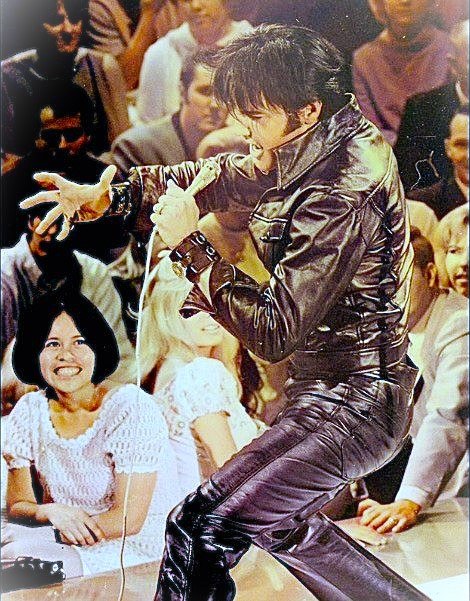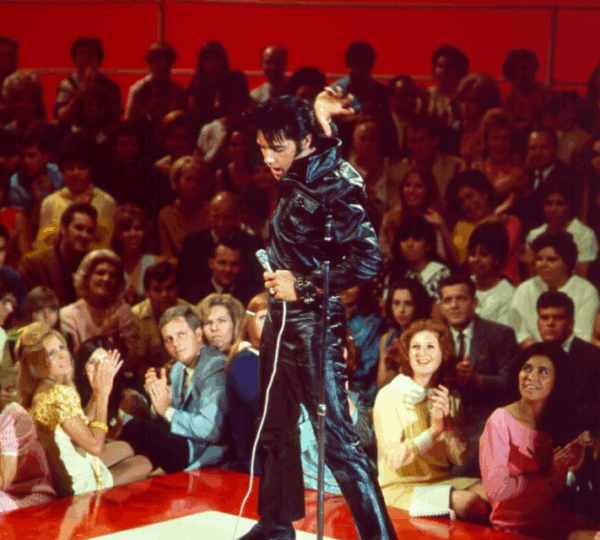
Netflix’s documentary Return of the King: The Fall & Rise of Elvis Presley revisits one of the most consequential turning points in modern pop culture, framing Elvis Presley’s 1968 comeback not merely as a televised performance but as an act of survival. At the heart of the film is an artist wrestling with the distance between who he once was and who he feared he had become. By the mid-1960s, Elvis was still famous, still profitable, and still omnipresent, yet increasingly hollowed out by a career that no longer reflected his passion or purpose. Hollywood had turned him into a predictable commodity, starring him in brightly lit, musically shallow films that prioritized box office reliability over creative risk. While audiences continued to show up, Elvis felt his artistic credibility slipping away. The documentary captures this tension with intimacy, revealing a man haunted by the possibility that the world no longer saw him as real. His struggle was not simply professional decline, but a deeper existential fear that fame had cost him authenticity, the very quality that once made him revolutionary.
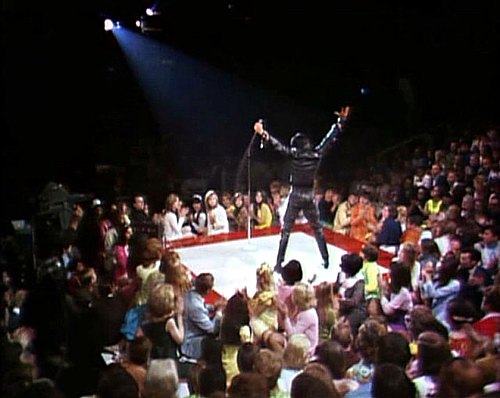
That fear was sharpened by the cultural shifts happening around him. Rock and roll was evolving rapidly, shaped by artists who wrote their own material, challenged authority, and embraced raw emotion. Elvis, once the embodiment of rebellion, now worried he had become an artifact of an earlier era. His admiration for figures like James Dean and Marlon Brando speaks volumes in this context. These men represented a different kind of stardom, one rooted in vulnerability, danger, and truth rather than polish. Brando’s performance in The Wild One, clad in black leather and quiet menace, had redefined masculinity for an entire generation. Leather was no longer just clothing; it was armor, defiance, and self-definition. Elvis understood this symbolism instinctively. He feared that years of sanitized movie roles had stripped him of that edge, leaving behind a version of himself that audiences tolerated but no longer believed in. Priscilla Presley’s recollections of critics mocking films like Double Trouble underline how deeply this perception wounded him, reinforcing his sense that he had drifted far from the artist he wanted to be.
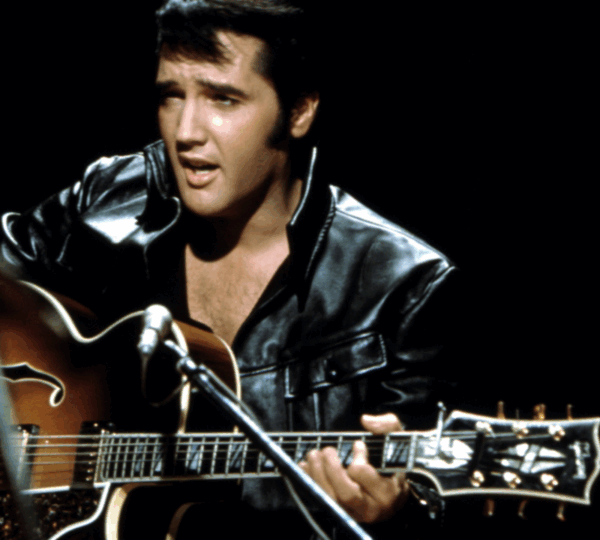
Beyond public image, the documentary reveals a deeply human struggle with anxiety and self-doubt. Elvis was not arrogantly assuming his relevance; he questioned it relentlessly. Stage fright plagued him, an irony for someone once synonymous with unshakable confidence. Jerry Schilling’s interviews provide some of the film’s most revealing moments, illustrating how Elvis sought reassurance from those he trusted, searching for confirmation that his voice still mattered. These conversations were not about strategy alone but about identity. Elvis was confronting the terrifying possibility that reinvention might fail, that stepping back into the spotlight could expose not triumph but irrelevance. Yet it was precisely this fear that pushed him to prepare obsessively. He returned to the music that had shaped him—blues, gospel, early rock and roll—reconnecting with the emotional core that fame had buried. Rehearsals became acts of rebuilding, not just his sound, but his belief in himself as a legitimate artist.
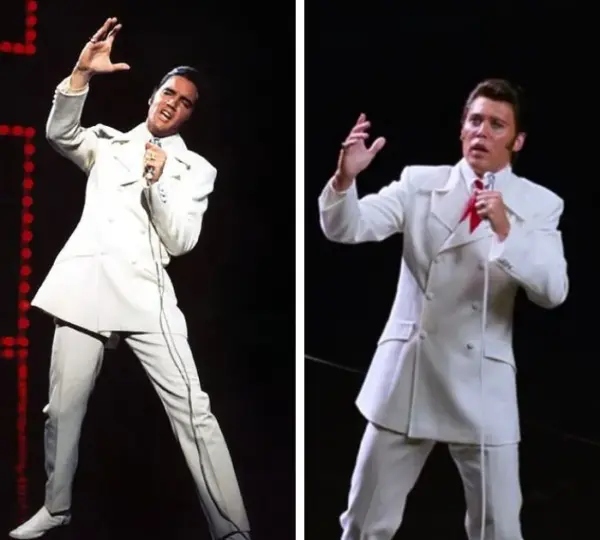
The NBC special, officially titled Singer Presents…Elvis, stands in the documentary as the moment where inner conflict met outward expression. Backstage, Elvis was visibly tense, aware that the performance carried the weight of his legacy. But once the cameras rolled, something shifted. The energy was immediate, almost shocking, as if a dam had broken. Central to this transformation was his appearance. The black leather outfit, designed by Bill Belew and consciously inspired by Brando, was not nostalgia or imitation; it was declaration. Leather had long symbolized rebellion, but on Elvis it carried added meaning. It signaled rejection of the clean-cut, safe image Hollywood had imposed and announced a return to something more dangerous and honest. Paired with silk shirts and subtle styling, the look balanced toughness with elegance, reinforcing that this was not a boy pretending to rebel, but a man reclaiming authority over his image and voice. The visual impact amplified the emotional power of the performance, remin
Musically, the special dismantled any lingering doubts about Elvis’s abilities. Stripped-down performances revealed a voice still capable of extraordinary nuance, power, and intimacy. Songs like “Trouble” carried a raw defiance, while “If I Can Dream” transcended entertainment, becoming a plea for meaning, justice, and renewal in a turbulent era. These moments demonstrated that Elvis was not chasing trends but reconnecting with timeless emotional truths. The documentary emphasizes that this success was not accidental; it was the result of introspection, discipline, and courage. Elvis did not simply walk back onto the stage and hope for the best. He confronted his fears directly, using performance as both shield and confession. In doing so, he reminded the world why he mattered, not as a nostalgic figure, but as a living, evolving artist.
The aftermath of the comeback confirmed its significance. Elvis’s renewed confidence led to a creative resurgence marked by ambitious recordings and a return to live performance. Touring reconnected him with audiences in a way Hollywood never could, restoring the reciprocal energy that had always fueled his artistry. The documentary situates this revival within the broader cultural landscape of the 1960s, highlighting how Elvis’s return asserted the endurance of authenticity in an industry obsessed with novelty. His journey mirrored that of Brando years earlier: both men used leather not as costume, but as a statement of control over their narratives. In reclaiming their images, they reshaped cultural expectations around fame, masculinity, and vulnerability. Return of the King ultimately presents the 1968 Comeback Special as more than entertainment. It was a reckoning, a reclamation, and a reminder that true artistry survives only when it remains honest. Elvis Presley did not merely return; he redefined what it meant to come back, leaving behind a legacy that continues to resonate across music, film, and culture itself.