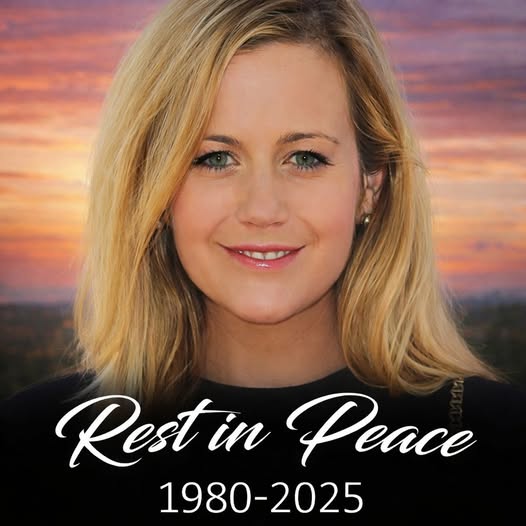
The news of Rachael Carpani’s passing carried a weight that felt heavier than words alone could explain. At just 45 years old, her death arrived far too soon, described by her family as unexpected, though those closest to her were aware that she had lived for years with chronic illness away from public view. What followed was not merely shock, but a collective stillness—a pause that spread across continents as fans, colleagues, and fellow artists absorbed the loss. Tributes emerged not with spectacle, but with sincerity. People spoke of warmth rather than fame, of kindness rather than celebrity. Across Australia, the United States, and beyond, grief took on a deeply personal tone, as though something familiar and comforting had quietly slipped away. Rachael Carpani was never an actress who demanded attention; she earned it gently, through performances that felt lived-in and truthful. That is why her absence feels so intimate to so many. She was someone whose work did not simply entertain, but accompanied people through their lives, offering connection in moments when connection mattered most.
Born in Sydney, Australia, Rachael Carpani was drawn to storytelling not as performance for its own sake, but as a way of understanding people and their emotional worlds. From the beginning, she approached acting with a rare attentiveness, as though she were listening more than performing, responding honestly to the emotional undercurrents of a scene. This instinct would define her most recognized role as Jodi Fountain on McLeod’s Daughters, a character who grew up in real time before millions of viewers. Over nearly a decade, Carpani portrayed Jodi’s evolution from a troubled, uncertain teenager into a woman shaped by loyalty, loss, love, and resilience. The character’s journey resonated deeply, particularly with young audiences navigating their own transitions and uncertainties. Jodi was flawed, vulnerable, and emotionally raw, and Carpani never attempted to smooth those edges. Instead, she honored them, allowing growth to feel earned rather than scripted. Through that honesty, McLeod’s Daughters became more than a television series; it became a shared emotional experience, and Carpani’s work formed one of its most enduring anchors.
Rather than remaining within the safety of familiarity, Carpani chose to challenge herself by expanding her career beyond Australian television. Her move to the United States marked a significant personal and professional transition, demanding adaptability, patience, and resilience within an industry known for its volatility and unpredictability. Roles in projects such as NCIS: Los Angeles, Against the Wall, and the psychological thriller Triangle showcased her versatility and quiet intensity. She never sought to dominate the screen, yet her presence lingered, grounded in emotional intelligence rather than overt display. Directors and co-stars consistently described her as prepared, collaborative, and deeply respectful of the craft, someone who elevated scenes by understanding their emotional truth rather than competing for attention. Even in smaller roles, she left an impression because she treated every character as worthy of care. For Carpani, acting was not about visibility alone; it was about authenticity. That commitment traveled with her across borders, genres, and stages of her life.
Behind the scenes, Rachael Carpani lived with health challenges she chose to keep largely private. When she did speak about chronic illness, she did so without drama or self-pity, framing it as one part of a complex life rather than its defining feature. Her measured openness offered quiet reassurance to others facing similar struggles, particularly those who felt unseen or unheard. She spoke gently about listening to one’s body, extending compassion to oneself, and finding strength in asking for help—messages that resonated deeply with fans who admired her not only for her talent, but for her humanity. The statement released by her family following her passing reflected that same dignity: brief, heartfelt, and centered on gratitude rather than spectacle. Their request for privacy was met with respect, even as tributes continued to flow, underscoring how profoundly her presence had touched people who knew her only through her work.
In the days following the announcement, social media transformed into a collective memory space. Fans shared scenes that had stayed with them for years, lines of dialogue that once offered comfort, and moments when her characters felt like companions during difficult chapters of their own lives. Fellow actors recalled her generosity on set, her kindness toward younger performers, and her remarkable ability to make people feel at ease. Again and again, a single sentiment emerged: Rachael Carpani made people feel seen. She possessed a rare ability to convey vulnerability without fragility, strength without hardness, and emotion without excess. In an industry often driven by urgency, image, and self-promotion, her restraint felt almost radical. Yet that restraint did not limit her impact—it deepened it, allowing her work to linger quietly in the hearts of those who encountered it.
Rachael Carpani’s legacy does not rest in awards, headlines, or viral moments, but in the enduring connection between her work and those who experienced it. Her performances continue to live on through reruns, streaming platforms, and the quiet moments when viewers return to familiar stories and discover new layers of meaning. She leaves behind a body of work defined by integrity, empathy, and emotional truth, as well as a personal example of grace in the face of challenge. Though her life was far too brief, it was rich in purpose, sincerity, and care. In remembering her, audiences are reminded that the most lasting influence often comes not from those who shine the loudest, but from those who shine most honestly. Her absence is deeply felt—but so is the comfort she gave, and that comfort, enduring and gentle, remains.