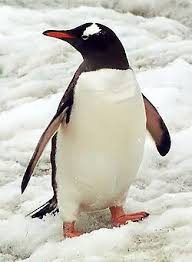
The video lasts only a few seconds, yet it feels strangely expansive, as if time stretches with each small movement. A single penguin waddles across a wide, icy expanse, its body angled forward, wings slightly out, feet pressing rhythmically into snow that looks endless and indifferent. There is no visible drama, no predator in pursuit, no triumph waiting at the edge of the frame. The penguin simply walks. The original clip offers no music, no commentary, no emotional cue telling viewers how to feel. That silence, however, is precisely what allowed the internet to rush in and fill the gaps. Within hours, captions reframed the moment as heartbreak, abandonment, grief, courage, depression, perseverance, and existential solitude. Millions of viewers saw themselves in that small figure moving forward alone. The penguin became a symbol not because of any extraordinary action, but because of its ordinariness. In a world saturated with noise, spectacle, and constant explanation, the simplicity of the scene invited projection. The meaning did not come from the animal’s intent, but from the human need to locate emotion, narrative, and reassurance in stillness.
From a scientific and ecological perspective, the scene is almost aggressively unremarkable. Penguins frequently travel alone or in loose formation depending on species, season, and purpose. A solitary penguin may be heading to open water to feed, returning from a successful hunt, scouting terrain, or rejoining a colony just beyond the camera’s reach. Solitude, in this context, is not an emotional state but a logistical one. Penguins are not permanently clustered in comforting groups, nor does temporary isolation imply rejection, sadness, or danger. Movement across ice is routine, often requiring long, quiet stretches of walking that look lonely only when removed from context. Yet the viral narrative overwhelmingly framed the penguin as abandoned or left behind, revealing a distinctly human discomfort with aloneness. We live in cultures that equate constant connection with safety and worth. When we see a living being alone, especially one that looks small against a vast landscape, we instinctively attach emotional significance. The penguin was not expressing despair; it was participating in its environment. The tragedy, if one exists, lies not in the scene itself but in how quickly humans assume that being alone must mean suffering.
Social media amplifies this instinct. Platforms are built to reward emotion, especially emotion that can be quickly understood and widely shared. A video that invites sadness, reflection, or quiet identification travels faster than one that demands neutrality. The lone penguin became viral because it offered ambiguity, and ambiguity is fertile ground for projection. In an era marked by burnout, disconnection, economic pressure, and emotional fatigue, viewers recognized themselves in that solitary walk. Captions often said far more about the person posting than about the animal itself: “This is me going to work every day,” “When you keep going even though no one notices,” “Depression looks like this.” None of these interpretations are biologically accurate, yet they are emotionally honest. The penguin became a vessel for feelings that many people struggle to articulate directly. In that sense, the video functioned less as wildlife content and more as a communal emotional shorthand. It allowed people to say, “This is how I feel,” without having to name themselves at all.
There is also something deeply compelling about the kind of movement the video captures. The penguin is not running, fleeing, or performing. It is not overcoming an obstacle in a dramatic way. It is simply continuing. In a digital culture obsessed with achievement, optimization, and visible success, that quiet persistence feels almost radical. Viewers interpreted the penguin’s steady pace as resilience: keep going, even when the landscape feels empty and the destination is unclear. This reading, while anthropomorphic, speaks to a genuine hunger for narratives that honor endurance rather than conquest. The penguin does not defeat the ice; it navigates it. That distinction matters. Many people are not looking for stories about winning or thriving. They are looking for reassurance that existing, step by step, is enough. The penguin’s walk offered that reassurance without asking for applause or explanation.
At the same time, there is a real risk in turning wildlife into emotional metaphors. When animals become symbols, their reality can be overshadowed by human storytelling. In the wake of the video’s popularity, misinformation spread easily, with claims that the penguin was lost, sick, abandoned, or doomed, none of which were supported by evidence. This tendency reflects a broader issue in viral culture, where emotion often outruns accuracy. Empathy itself is not harmful, but it becomes problematic when it distorts understanding of the natural world. Animals do not exist to validate human feelings, nor do they benefit from being framed as tragic figures for our comfort. Respecting wildlife means allowing animals their own narratives, even when those narratives are quiet, uneventful, or resistant to symbolism. Recognizing this does not strip the video of its emotional power; it grounds it, reminding us that meaning can be personal without being literal.
Ultimately, the viral penguin walking alone does not reveal a hidden tragedy about the animal’s life. It reveals something about ours. The clip resonated because it arrived at a moment when many people feel unseen, tired, and quietly determined rather than dramatically broken. The penguin became a mirror because it was unscripted and unguarded, moving forward without performance or explanation. In its small, deliberate steps, viewers found permission to continue without knowing exactly where they were headed, to exist without constant affirmation, to be alone without being defective. The power of the video lies not in what the penguin felt, but in what it allowed humans to feel together. Sometimes meaning does not come from grand gestures or explicit messages. Sometimes it emerges from a simple image that gives us space to recognize ourselves, briefly and honestly, in the quiet persistence of another living being moving through the world.