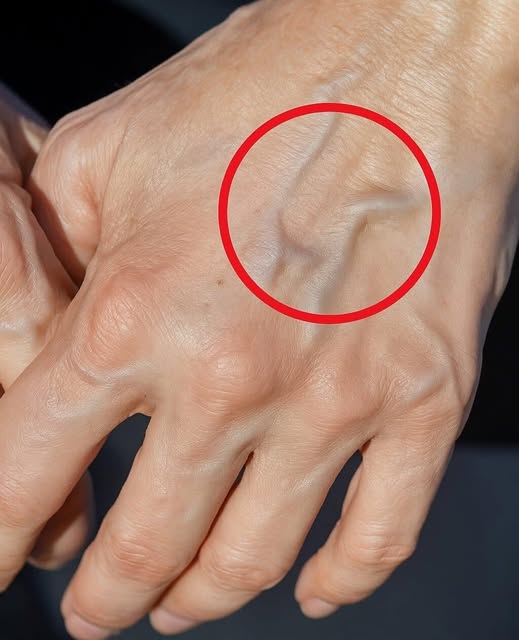
Noticing veins on your hands can be surprising, especially if they seem to appear suddenly or look more pronounced. Many people immediately worry about circulation or hidden illness. In reality, visible veins are often a normal reflection of how your body functions, responding to movement, temperature, age, and lifestyle rather than signaling disease. The skin on your hands is thinner with less fat beneath, making veins naturally more visible. Understanding this basic anatomy can reduce unnecessary worry: in most cases, these veins are healthy and normal.
One common cause of prominent veins is low subcutaneous fat combined with strong muscle tone. People who exercise, lift weights, or maintain an active lifestyle often notice veins becoming more defined over time. Muscles require increased blood flow, which can enlarge veins temporarily, while decreased fat allows veins to sit closer to the surface. Even daily activity—walking, manual labor, or frequent hand use—can make veins more noticeable. In these cases, visible veins are a sign of conditioning and efficient circulation, not a problem.
Temperature and blood flow also influence vein visibility. When the body warms—through exercise, hot weather, or stress—blood vessels expand (vasodilation) to regulate temperature, making veins appear larger. Physical exertion demands increased oxygen and nutrients, further enlarging veins. Once the body cools and blood flow returns to baseline, veins often become less pronounced. This temporary change is normal and harmless, commonly observed after workouts, hot showers, or during summer months.
Genetics play a significant role in whether veins are prominent. Some people naturally have thinner skin, larger veins, or veins closer to the surface. Skin tone can make veins appear more visible, and familial traits like connective tissue strength, vein elasticity, and fat distribution also matter. These inherited characteristics are normal and not indicative of disease. Understanding genetic differences can prevent unnecessary worry when comparing your hands to others.
Aging is another factor. As we grow older, skin thins and loses elasticity due to reduced collagen, while the fat layer beneath the skin diminishes, especially in the hands. Veins naturally become more noticeable over time. This is a gradual, normal process, not a sign of declining health. Cosmetic treatments can alter appearance if desired, but medically, visible veins due to aging rarely require intervention. Hydration, sun protection, and circulation-promoting activity support skin and vascular health, but aging itself is a natural process.
Rarely, visible veins may signal underlying problems. Accompanying symptoms like pain, swelling, warmth, discoloration, or sudden changes warrant medical evaluation. Conditions such as varicose veins, chronic venous insufficiency, or blood clots can sometimes present with visible veins, though these are more common in legs than hands. The key distinction is discomfort or progression. Healthy veins remain painless and stable. Noting additional symptoms is more important than appearance alone.
Overall, veins showing on your hands are usually a sign your body is functioning properly. They reflect movement, circulation, genetics, temperature regulation, and aging. Instead of fearing these changes, recognize them as indicators of your body’s adaptability and resilience. In the absence of pain or sudden changes, visible veins are overwhelmingly normal, offering reassurance rather than alarm.