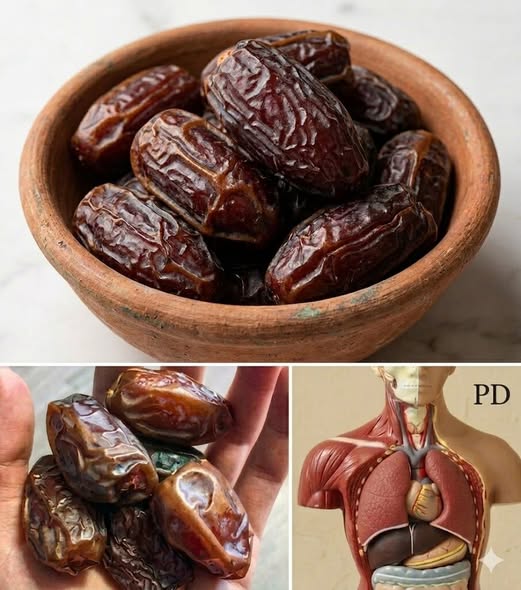
For thousands of years, dates have been treasured as one of the most practical and nourishing foods available to humanity. Long before modern nutrition science existed, ancient civilizations recognized their ability to provide energy, sustain the body during difficult conditions, and satisfy hunger naturally. Travelers crossing deserts often carried dates because they could remain fresh for long periods while supplying concentrated nutrition in a compact form. In many cultures, dates became symbols of hospitality, vitality, and abundance. Even today, despite the endless variety of packaged snacks lining grocery store shelves, dates continue to maintain a respected place in diets around the world.
Their popularity is not simply based on tradition or sweetness. Modern nutritional research has helped explain why dates remain such a valued food source. Unlike heavily processed sweets that deliver empty calories with little nutritional value, dates contain fiber, minerals, antioxidants, and natural sugars that work together to nourish the body more effectively. They satisfy sweet cravings while still contributing beneficial nutrients that support everyday health. This combination of flavor and functionality makes dates stand out in a world increasingly dominated by artificial ingredients and ultra-processed foods.
One of the reasons dates are frequently praised is because they provide a natural source of energy without relying on synthetic additives or refined sugar. Their carbohydrates primarily come from naturally occurring sugars such as glucose, fructose, and sucrose. These sugars are easy for the body to convert into fuel, making dates an excellent quick-energy food. However, unlike candy or sugary beverages that often lead to rapid spikes and crashes in blood sugar levels, dates also contain fiber that slows digestion and promotes more stable energy release. This balance helps many people feel energized for longer periods without the sudden fatigue associated with highly processed snacks.
Athletes, students, and busy professionals often appreciate this steady energy effect. Some people eat dates before workouts to support endurance and stamina, while others use them as a midday snack to avoid relying on caffeine-heavy drinks or sugary treats. Even eating two or three dates can provide a noticeable boost in energy and concentration. Because they are portable and naturally sweet, dates also make a convenient snack for travel, work, or school. Their practicality is one reason they have remained popular across generations and cultures.
Beyond energy support, dates are especially recognized for their digestive benefits. They are naturally rich in dietary fiber, which plays a major role in maintaining healthy digestion. Fiber helps move food through the digestive tract more efficiently, supports regular bowel movements, and may reduce constipation. In modern diets, many people consume far less fiber than recommended, often because processed foods contain very little natural plant material. Adding fiber-rich foods like dates can help restore balance and improve digestive comfort over time.
The fiber found in dates also contributes to a healthier gut microbiome. The gut contains trillions of bacteria that influence digestion, immunity, and even mood. Beneficial bacteria feed on dietary fiber, producing compounds that support intestinal health and reduce inflammation. Maintaining a healthy balance of gut bacteria has become an increasingly important area of nutritional research, with scientists discovering links between gut health and overall wellness. By naturally supporting the digestive system, dates may help contribute to better nutrient absorption and improved long-term health.
Another impressive aspect of dates is their mineral content. Although small in size, dates contain a surprisingly wide range of nutrients that support important bodily functions. Potassium is one of the most significant minerals found in dates. Potassium helps regulate fluid balance, supports healthy muscle contractions, and contributes to proper nerve function. Adequate potassium intake is also associated with maintaining healthy blood pressure levels, making it an important nutrient for cardiovascular wellness.
Magnesium is another essential mineral present in dates. Magnesium supports hundreds of biochemical reactions throughout the body, including energy production, muscle function, and nerve signaling. Many people do not consume enough magnesium through their diets, which is why magnesium-rich foods are often encouraged by health professionals. Dates offer a natural and enjoyable way to contribute to daily magnesium intake while also providing additional nutrients at the same time.
Dates also contain calcium and phosphorus, both of which are important for maintaining strong bones and teeth. Bone health becomes increasingly important with age, and consuming nutrient-rich foods throughout life can help support skeletal strength. Iron, another mineral found in dates, plays a key role in oxygen transportation within the bloodstream. While dates alone are not a complete solution for iron deficiency, they can still contribute beneficial amounts of iron as part of a balanced eating pattern.
One of the most fascinating qualities of dates is their antioxidant content. Antioxidants are compounds that help protect cells from oxidative stress caused by unstable molecules known as free radicals. Oxidative stress has been linked to aging and the development of chronic diseases, including cardiovascular disease and metabolic disorders. Dates contain antioxidants such as flavonoids, carotenoids, and phenolic acids, all of which contribute to their protective properties.
Flavonoids are particularly valued for their anti-inflammatory potential. Chronic inflammation is increasingly recognized as a contributing factor in many health conditions, and diets rich in antioxidant-containing foods may help support the body’s natural defense systems. Carotenoids are associated with eye health and may also support immune function, while phenolic acids contribute additional antioxidant benefits that help protect tissues from damage. Together, these compounds make dates more than just a source of natural sweetness—they become part of a broader approach to supporting long-term wellness.
Heart health is another area where dates may offer supportive benefits when included in moderation within a balanced diet. Potassium, fiber, and antioxidants all contribute to cardiovascular support in different ways. Fiber may help support healthy cholesterol levels by influencing the absorption of certain fats in the digestive system. Potassium helps maintain healthy blood pressure by balancing sodium levels and supporting proper blood vessel function. Antioxidants may help reduce oxidative stress that can affect blood vessels and heart tissues over time.
Of course, moderation remains important. Dates are naturally sweet and calorie-dense, so excessive consumption may contribute to excess calorie intake. However, replacing processed desserts or candy with dates can often be a healthier choice because dates provide nutritional value alongside their sweetness. Pairing dates with nuts or protein-rich foods may also help create a more balanced snack that promotes fullness and steadier energy levels.
Hydration support is another lesser-known advantage of dates. While dates themselves are not high in water compared to fresh fruits like watermelon or oranges, their potassium content contributes to healthy fluid balance in the body. Potassium helps regulate hydration by supporting electrolyte balance, which is especially important during physical activity or hot weather. Traditionally, dates were often consumed with water or milk to create a nourishing combination that supported hydration and energy simultaneously.
Dates are also remarkably versatile in the kitchen. Some people enjoy eating them plain as a quick snack, while others stuff them with nuts or soft cheese for a more satisfying treat. Dates can be blended into smoothies to add natural sweetness without refined sugar. They are commonly used in baking as a substitute for processed sweeteners and can even be turned into date paste or syrup for healthier dessert recipes. Because of their rich caramel-like flavor, dates work well in both sweet and savory dishes.
Their versatility makes them easier to include regularly in everyday eating habits. Many healthy foods fail to become long-term dietary staples because they are inconvenient or difficult to prepare. Dates, however, require little effort. They are naturally portable, shelf-stable, and ready to eat. This convenience increases the likelihood that people will choose them instead of heavily processed alternatives when hunger strikes.
Cultural traditions surrounding dates also highlight their longstanding importance. In many Middle Eastern, African, and South Asian communities, dates are closely associated with hospitality and religious practices. During the holy month of Ramadan, dates are commonly eaten to break the daily fast because they provide quick nourishment and energy after long hours without food or water. This tradition reflects practical nutritional wisdom that existed long before modern dietary science explained the physiological effects of dates on energy and digestion.
Children and older adults alike may also benefit from including dates in balanced diets. For children, dates can provide a naturally sweet snack alternative to candies or heavily processed desserts. For older adults, the fiber and mineral content may support digestive regularity and nutritional intake. Their soft texture also makes them easier to chew compared to some other snacks. However, portion awareness remains important for all age groups because dates are calorie-dense despite their nutritional advantages.
Another reason dates continue to attract attention is the growing interest in whole, minimally processed foods. Many people are becoming more aware of the health effects associated with diets high in refined sugar, artificial ingredients, and ultra-processed snacks. As a result, natural foods that provide both taste and nutrition are increasingly valued. Dates fit well within this movement because they are simple, recognizable, and free from complicated ingredient lists.
The appeal of dates also extends to people following different dietary lifestyles. They are naturally vegan, gluten-free, and dairy-free, making them suitable for many eating preferences and restrictions. Their sweetness allows them to replace refined sugar in recipes while still contributing texture and flavor. This flexibility has helped dates become popular not only in traditional cuisines but also in modern health-focused cooking.
Despite all their benefits, it is important to avoid exaggerated claims. No single food can guarantee perfect health or completely prevent disease. Overall wellness depends on a combination of balanced nutrition, regular physical activity, adequate sleep, hydration, and other healthy lifestyle habits. Dates should not be viewed as a miracle cure or magical solution. Instead, they are best understood as one nutritious food that can contribute positively to a well-rounded diet.
Health experts consistently emphasize the importance of consuming a variety of fruits, vegetables, whole grains, lean proteins, and healthy fats. Dates can play an important role within that broader dietary pattern. Their fiber, antioxidants, minerals, and natural sugars make them a more nutritious option than many processed sweets, especially when consumed mindfully and in appropriate portions.
For people trying to reduce refined sugar intake, dates may serve as a helpful transition food. Their intense sweetness satisfies cravings while offering additional nutrients absent from most candies or desserts. Using dates in homemade snacks, energy bites, or baked goods can help reduce dependence on processed sweeteners over time. This gradual shift toward more natural foods may support healthier eating habits in the long run.
Environmental and agricultural factors have also contributed to the enduring popularity of dates. Date palm trees are highly resilient and capable of surviving in hot, arid climates where other crops struggle to grow. For centuries, they have provided nourishment in regions with limited agricultural resources. Their ability to thrive under difficult conditions made them essential survival foods in desert environments. Today, date farming continues to support economies and food traditions in many parts of the world.
As awareness of nutrition grows globally, dates are increasingly being rediscovered by younger generations seeking healthier snack options. Social media, wellness communities, and health-conscious recipe creators frequently highlight dates in smoothies, protein bars, desserts, and plant-based meals. Their popularity has expanded beyond traditional markets into mainstream grocery stores worldwide. What was once considered a specialty food is now commonly recognized as a convenient and nutritious pantry staple.
Scientific interest in dates also continues to grow. Researchers are exploring how the compounds found in dates may contribute to health in areas such as inflammation, metabolic function, and cardiovascular wellness. While more studies are needed to fully understand all their effects, existing evidence supports the idea that dates can be a valuable addition to balanced diets. Their nutritional composition aligns with many modern recommendations encouraging greater intake of whole plant foods.
Ultimately, the enduring reputation of dates reflects more than just sweetness or tradition. They represent a rare combination of nourishment, convenience, versatility, and cultural significance. In a time when many people struggle to balance busy lifestyles with healthy eating habits, dates offer a simple option that supports both enjoyment and nutrition. They remind us that some of the most beneficial foods are often the least complicated.
Whether eaten alone, paired with nuts, blended into smoothies, or used as a natural sweetener in recipes, dates continue to prove why they have remained respected for centuries. Their ability to support digestion, provide energy, contribute antioxidants, and deliver important minerals makes them one of nature’s most practical foods. While no fruit alone can create perfect health, regularly including dates as part of a balanced lifestyle may help support overall wellness in a natural and sustainable way.
In the end, perhaps the true value of dates lies not only in their nutrients but also in their simplicity. They are a reminder that healthy eating does not always require expensive supplements, trendy powders, or highly marketed products. Sometimes, one of the best choices is also one of the oldest—a fruit that has nourished generations across history and continues to offer benefits in the modern world.