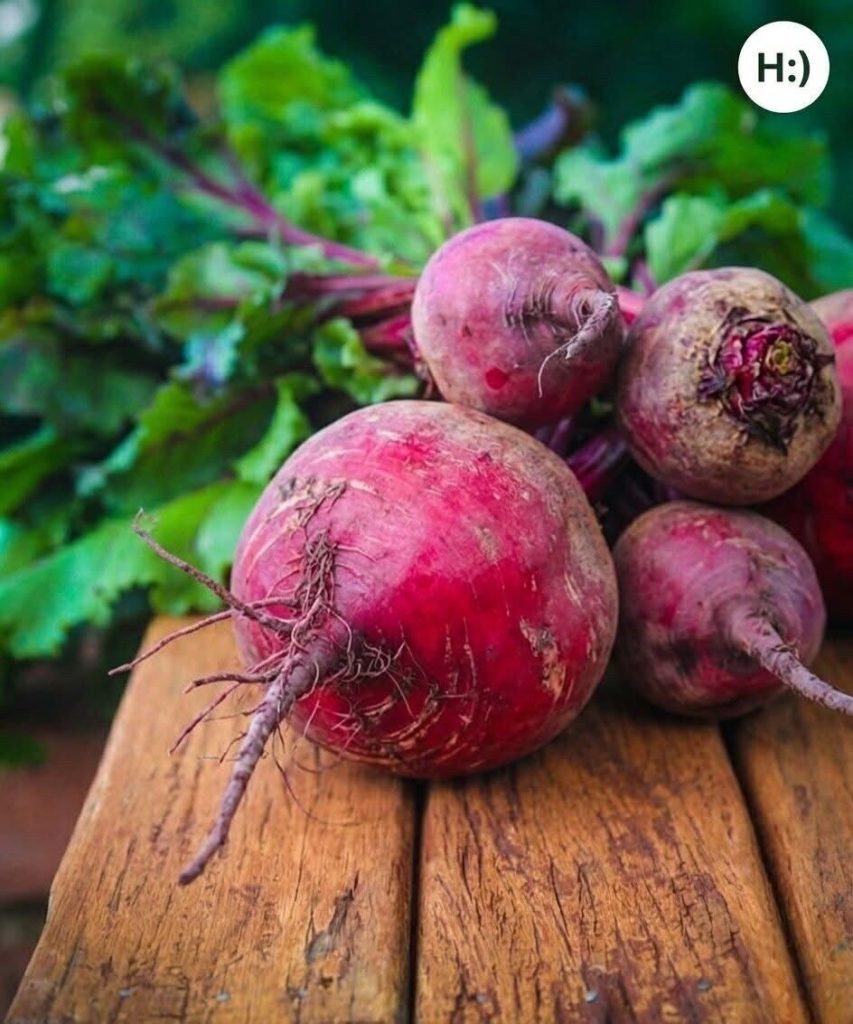
Beetroot, scientifically known as Beta vulgaris, has become increasingly recognized as one of the most beneficial vegetables for overall health and wellness. Its vibrant crimson color, earthy flavor, and dense nutritional profile make it stand out among natural foods celebrated for their healing and restorative properties. For centuries, beetroot has been used in traditional diets and natural medicine practices across many cultures. Today, modern nutritional science continues to confirm what many generations already understood — beetroot provides a remarkable combination of vitamins, minerals, antioxidants, and plant compounds that support multiple systems within the body simultaneously.
One of the most visually distinctive features of beetroot is its deep red pigment. This rich coloration comes from compounds known as betalains, which are powerful antioxidants with anti-inflammatory properties. Antioxidants are essential because they help neutralize harmful molecules called free radicals that can damage cells and contribute to chronic diseases. Oxidative stress caused by free radicals has been associated with heart disease, diabetes, premature aging, and certain cancers. By supplying the body with protective compounds, beetroot helps reduce inflammation and supports long-term cellular health.
Beyond its antioxidant power, beetroot is widely appreciated for its ability to increase energy and combat fatigue naturally. One reason for this benefit is its iron content. Iron is necessary for the production of hemoglobin, the protein in red blood cells responsible for carrying oxygen throughout the body. When iron levels are low, individuals may experience weakness, dizziness, low stamina, and persistent tiredness. Consuming iron-rich foods such as beetroot can help support healthy oxygen circulation and improve overall vitality. This makes beetroot especially beneficial for individuals recovering from illness, people experiencing exhaustion from demanding schedules, and those with mild iron deficiencies.
Another important nutrient found in beetroot is vitamin C. This vitamin plays a major role in immune system support, collagen production, wound healing, and skin health. Vitamin C also enhances the body’s ability to absorb iron from plant-based foods, making beetroot even more effective as a nutritional source for supporting blood health. In addition, vitamin C acts as an antioxidant itself, helping protect tissues from damage and contributing to stronger immunity against infections and illness.
Beetroot also contains several B-complex vitamins that assist in maintaining healthy nerve function and supporting metabolism. Among these nutrients, folate is especially important. Folate, also known as vitamin B9, is essential for DNA synthesis, cell growth, and proper tissue repair. It plays a central role in producing red and white blood cells while supporting healthy immune function. Folate is particularly important during pregnancy because it contributes to the healthy development of the fetal neural tube and helps reduce the risk of birth defects. For children and adolescents, folate supports growth and cognitive development. Adults also benefit significantly because folate contributes to cardiovascular health and neurological stability.
In addition to folate, beetroot provides vitamin B3, commonly referred to as niacin. This vitamin contributes to healthy nervous system activity and supports mental clarity. Niacin also assists the digestive system by helping enzymes convert food into usable energy. Proper digestion is essential for nutrient absorption and overall wellness, making beetroot a helpful addition to diets focused on digestive balance and metabolic health.
One of the most widely discussed benefits of beetroot involves cardiovascular support. Beetroot is naturally rich in dietary nitrates, compounds that the body converts into nitric oxide. Nitric oxide relaxes and widens blood vessels, improving circulation and allowing blood to flow more efficiently throughout the body. Improved blood flow supports healthy blood pressure levels and reduces strain on the cardiovascular system. Research has shown that diets rich in nitrate-containing vegetables may contribute to lower blood pressure and improved vascular function. Because of this, beetroot is often recommended as part of heart-conscious eating plans.
Healthy circulation also plays a major role in physical stamina and exercise performance. Many athletes and fitness enthusiasts consume beetroot juice before workouts because nitric oxide helps improve oxygen delivery to muscles. This can enhance endurance, reduce fatigue during exercise, and support faster recovery afterward. Unlike stimulant-based energy products, beetroot offers a natural and nutrient-rich way to support physical performance without artificial additives.
Potassium is another important nutrient abundant in beetroot. Potassium helps regulate fluid balance, muscle contractions, and nerve signaling. It also works alongside sodium to maintain healthy blood pressure. Since many modern diets contain excessive sodium, consuming potassium-rich foods such as beetroot may help counterbalance these effects and support cardiovascular wellness. Adequate potassium intake is associated with reduced risk of hypertension, stroke, and fluid retention.
Fiber is another essential component that contributes to beetroot’s reputation as a functional food. Beetroot contains both soluble and insoluble fiber, each serving important roles within the digestive system. Soluble fiber helps regulate cholesterol and blood sugar levels by slowing digestion and improving metabolic balance. Insoluble fiber adds bulk to stool and supports regular bowel movements, helping prevent constipation and promoting healthy digestion. A healthy digestive system is crucial because it influences nutrient absorption, toxin elimination, immune activity, and even mental health.
Gut health has become a major focus in nutritional science, and beetroot supports this area remarkably well. The fiber in beetroot helps nourish beneficial gut bacteria that contribute to a balanced microbiome. A healthy microbiome plays a role in reducing inflammation, improving digestion, strengthening immunity, and supporting mood regulation. By encouraging digestive regularity and healthy bacterial balance, beetroot supports wellness from the inside out.
Beetroot also contributes to the body’s natural detoxification processes. The liver is one of the body’s primary detoxification organs, responsible for filtering toxins and processing waste products. Beetroot contains compounds that support liver function by stimulating enzymes involved in detoxification pathways. Betalains and other antioxidants help protect liver cells from oxidative stress while encouraging efficient processing of harmful substances. Supporting liver health is essential because the liver influences metabolism, hormone regulation, digestion, and overall vitality.
Kidney function may also benefit from beetroot consumption when included as part of a balanced diet. Proper kidney function allows the body to eliminate waste products and maintain fluid balance effectively. Beetroot’s water content, minerals, and antioxidants help support hydration and healthy circulation, both of which contribute to kidney efficiency. By promoting better blood flow and supporting toxin elimination, beetroot may assist the body’s natural cleansing mechanisms.
Another notable mineral found in beetroot is manganese. Manganese supports enzyme activity, bone formation, metabolism, and antioxidant defense systems. It also contributes to wound healing and helps the body process carbohydrates, amino acids, and cholesterol. Trace minerals like manganese may not receive as much attention as vitamins, but they remain essential for maintaining proper biological function.
Iodine is another valuable nutrient associated with beetroot. Iodine is necessary for healthy thyroid function. The thyroid gland regulates metabolism, hormone production, body temperature, and energy levels. Insufficient iodine intake can contribute to fatigue, weight fluctuations, and hormonal imbalances. By supplying iodine alongside other nutrients, beetroot supports endocrine system health and metabolic stability.
Hormonal balance and reproductive wellness may also improve through the regular consumption of nutrient-dense foods like beetroot. Improved circulation supports blood flow to reproductive organs, while vitamins and minerals contribute to hormonal regulation and energy production. In men, healthy circulation is closely linked to vascular function and reproductive health. In women, beetroot’s nutrient profile may support hormonal balance and help reduce inflammation associated with hormonal fluctuations. Because overall vitality is strongly connected to reproductive wellness, maintaining a nutrient-rich diet can positively influence long-term health outcomes.
Beetroot’s anti-inflammatory properties may also contribute to healthier aging. Chronic inflammation has been linked to numerous age-related conditions, including cardiovascular disease, arthritis, metabolic disorders, and neurodegenerative illnesses. By supplying antioxidants and anti-inflammatory compounds, beetroot helps protect tissues from long-term damage. Supporting cellular health today may contribute to better physical and cognitive function later in life.
Mental clarity and brain health are additional areas where beetroot may provide benefits. The nitrates in beetroot improve blood flow throughout the body, including circulation to the brain. Healthy blood flow supports oxygen delivery and nutrient transport, both of which are necessary for cognitive performance. Some studies suggest that nitrate-rich vegetables may help support memory, concentration, and mental sharpness, particularly in older adults. Combined with B vitamins that support nerve health, beetroot contributes to neurological wellness in multiple ways.
The immune system also benefits significantly from beetroot’s nutritional profile. Vitamins, antioxidants, and minerals work together to strengthen the body’s natural defense mechanisms. Vitamin C supports immune cell activity, while antioxidants help protect immune tissues from oxidative damage. Iron contributes to proper oxygen transport and immune function, while folate assists in the production of white blood cells. Together, these nutrients help the body respond more effectively to illness and environmental stressors.
One reason beetroot remains popular among health-conscious individuals is its versatility in the kitchen. Beetroot can be enjoyed in many forms, making it easy to include in everyday meals. Some people prefer it raw in salads, where its crisp texture and earthy sweetness provide freshness and color. Others enjoy roasted beetroot, which develops a richer and sweeter flavor during cooking. Beetroot can also be steamed, pickled, blended into soups, or added to smoothies and juices.
Fresh beetroot juice has become especially popular because it delivers concentrated nutrients in an easily digestible form. Many people combine beetroot with apples, carrots, celery, ginger, garlic, or citrus fruits to create flavorful wellness drinks. Apples add natural sweetness and fiber, while ginger contributes anti-inflammatory compounds and digestive support. Garlic offers cardiovascular and immune benefits, and celery provides hydration and minerals. These combinations create nutrient-dense beverages that support energy, circulation, detoxification, and overall wellness.
Athletes often consume beetroot juice before physical activity because of its natural nitrate content. Improved circulation and oxygen delivery may help reduce fatigue and support endurance during exercise. Some individuals also report feeling more energized and mentally focused after regularly consuming beetroot-based drinks. Unlike sugary energy beverages, beetroot juice offers nutritional value while supporting hydration and recovery.
Weight management is another area where beetroot may offer support. Beetroot is relatively low in calories while being rich in fiber and nutrients. High-fiber foods help increase feelings of fullness, reducing the likelihood of overeating. Stable blood sugar levels and improved digestion also contribute to better metabolic balance. When combined with regular exercise and balanced eating habits, beetroot can become part of a sustainable wellness-focused lifestyle.
The role of beetroot in supporting healthy blood sugar balance has also received attention. Fiber helps slow the absorption of sugars into the bloodstream, preventing sudden spikes and crashes in energy levels. Antioxidants and anti-inflammatory compounds may further support metabolic health by reducing oxidative stress associated with insulin resistance. Although beetroot contains natural sugars, its overall nutrient composition makes it a healthier option than many processed foods and beverages.
Beetroot’s vibrant pigments have even attracted attention in the beauty and skincare world. Antioxidants help protect the skin from environmental damage caused by pollution, sunlight, and aging. Vitamin C supports collagen production, helping maintain skin elasticity and firmness. Improved circulation also contributes to a healthier complexion by enhancing oxygen and nutrient delivery to skin tissues. Some people even use beetroot juice or extracts in homemade skincare treatments because of its natural coloring and nutrient content.
Despite its many benefits, beetroot should still be consumed as part of a balanced and varied diet. Moderation remains important with any food. Some individuals may notice temporary reddish coloring in urine or stool after eating beetroot, a harmless condition known as beeturia. People with certain medical conditions, such as kidney stone concerns related to oxalates, may need to monitor intake and consult healthcare professionals if necessary. However, for most individuals, beetroot represents a safe and highly nutritious addition to regular meals.
As awareness of natural nutrition continues to grow, beetroot remains one of the most celebrated vegetables for supporting overall wellness. Its combination of antioxidants, vitamins, minerals, nitrates, and fiber allows it to influence numerous systems within the body simultaneously. Few foods offer such broad-ranging benefits in such a simple and accessible form. From supporting cardiovascular health and healthy blood pressure to improving digestion, stamina, immunity, and detoxification, beetroot demonstrates how powerful natural foods can be when included consistently in daily life.
The modern diet often relies heavily on processed foods that provide calories without sufficient nutrients. Incorporating vegetables like beetroot into meals helps restore nutritional balance and encourages healthier eating habits. Simple dietary choices can have profound long-term effects on energy levels, immune resilience, cardiovascular strength, and overall quality of life. Beetroot serves as a reminder that wellness does not always require expensive supplements or complicated routines. Sometimes, the most effective solutions come directly from nature.
Regularly consuming nutrient-rich foods such as beetroot may contribute to stronger immunity, healthier circulation, improved endurance, better digestion, and enhanced vitality over time. Whether enjoyed roasted, juiced, steamed, or raw, beetroot remains a versatile and valuable food capable of supporting health in countless ways. Its remarkable nutritional profile continues to earn recognition among nutritionists, athletes, wellness advocates, and individuals seeking natural ways to improve overall well-being.
In a world where chronic diseases and lifestyle-related health issues continue to rise, foods like beetroot offer an accessible and practical way to support the body naturally. By nourishing multiple systems simultaneously, beetroot represents far more than just a colorful root vegetable. It stands as a symbol of how simple, wholesome nutrition can help strengthen the body, protect long-term health, and promote a more energetic and balanced life for people of all ages.