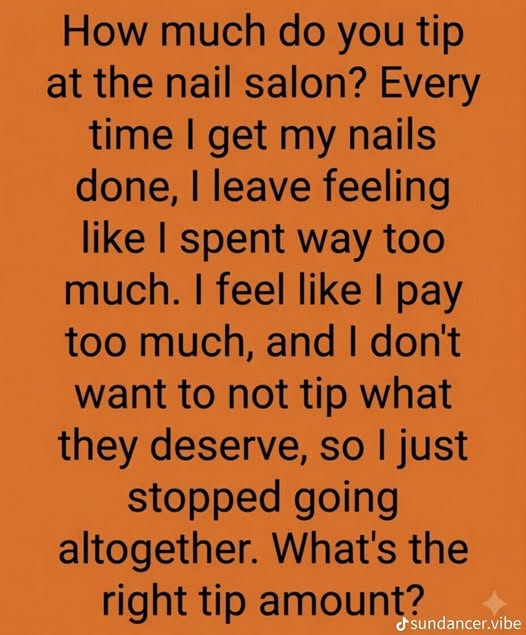
Tipping at a nail salon can feel surprisingly stressful for something that seems so simple on the surface. Many people walk into salons knowing exactly what kind of manicure or pedicure they want, but the moment payment time arrives, uncertainty suddenly appears. How much is appropriate? Is tipping expected for every service? Should the amount change depending on complexity, time, or quality? And perhaps most importantly, how do you show appreciation without feeling like you are overpaying—or underappreciating someone’s work?
These questions are common because nail salon etiquette exists in a space where beauty, hospitality, service, and personal relationships all overlap. Unlike purchasing a product in a store, salon visits involve direct personal care. Nail technicians spend time focused entirely on one client, often for extended appointments that require concentration, precision, patience, hygiene standards, and artistic ability. A tip is not simply an extra charge added at the end. In many salons, gratuity is viewed as part of the normal structure of compensation and a direct reflection of customer satisfaction.
For clients unfamiliar with salon customs, this can feel confusing at first. Yet understanding the general expectations around tipping can remove anxiety from the experience and help create a more respectful, comfortable interaction between clients and technicians.
In most nail salons, the standard recommended tip falls between 15% and 20% of the total service cost. This range mirrors tipping practices in other service industries such as restaurants, hair salons, spas, and personal grooming services. For example, if a manicure costs $40, a typical gratuity would range from $6 to $8. If the appointment costs $100 for a combination of acrylics, nail art, and pedicure services, a tip between $15 and $20 would generally be considered appropriate.
Many clients choose to tip closer to 20% for technicians they see regularly or for appointments involving extra effort and creativity. Nail technicians often spend years refining specialized skills, especially when working with gel sculpting, intricate nail art, hand-painted designs, or corrective nail shaping. What may appear effortless during an appointment usually reflects extensive training and experience.
Even basic services involve more work than many people realize. A simple manicure requires sanitation procedures, cuticle care, shaping, polishing precision, and customer interaction throughout the appointment. Pedicures often involve additional physical effort because technicians spend long periods bent over while performing detailed work. Spa treatments may also include massage, exfoliation, paraffin wax, or extended nail repair services that require additional time and energy.
Because of this, tipping is generally expected for nearly all salon services, not only elaborate ones.
Some customers wonder whether tipping is necessary if the salon already charges premium prices. The answer depends partly on location and salon structure, but in many cases technicians do not receive the full service price clients pay. Some work on commission systems. Others rent stations or split profits with salon owners. Tips frequently make up a meaningful portion of their income.
That reality helps explain why gratuity carries significance beyond the actual dollar amount itself. A tip communicates appreciation, satisfaction, and acknowledgment of effort. Consistent tipping also helps establish positive long-term relationships between clients and technicians. Many loyal salon customers build strong professional relationships with specific nail artists over time, returning repeatedly because they trust the technician’s skill, reliability, and attention to detail.
Of course, not every service experience feels identical, and tipping can reflect that.
For average or satisfactory service, most people remain within the standard 15–20% range. Exceptional service may inspire larger gratuities. If a technician stays late to accommodate a client, repairs damaged nails carefully, fits in a last-minute appointment, or creates especially intricate designs, tipping above 20% is often viewed as thoughtful and generous.
At the same time, clients sometimes struggle with situations involving poor service. What happens if the manicure chips immediately? What if hygiene seems questionable or the technician behaves rudely? In these cases, many etiquette experts recommend addressing the issue respectfully with salon management rather than silently withholding all gratuity without explanation.
Communication matters.
A completely absent tip may strongly signal dissatisfaction, but it can also create confusion if concerns were never expressed. If the issue is severe, reducing the tip or choosing not to return may feel appropriate. However, when problems stem from misunderstandings or fixable mistakes, calm communication often resolves the situation more effectively than passive frustration.
Regional culture also influences tipping expectations.
In large metropolitan areas where service costs are already high, clients may routinely tip above 20%, especially in luxury salons. In smaller towns or regions with lower service pricing, gratuity expectations may feel slightly less intense. Internationally, customs vary even more dramatically. In some countries, service charges are already included or tipping is minimal compared to North American standards.
Still, within the United States especially, tipping at nail salons remains deeply embedded in service culture.
Another question many people ask involves who exactly should receive the tip. If multiple technicians work on different parts of the appointment—for example, one performs a manicure while another handles a pedicure—it is common practice to divide gratuity between them. Some salons pool tips collectively, while others allow individual technicians to keep their own earnings. Clients unsure about salon policies can simply ask at checkout.
Holiday tipping also appears frequently among regular salon clients. Customers who visit the same technician consistently throughout the year sometimes provide an additional holiday gratuity as a gesture of appreciation. This amount varies widely depending on personal budget and frequency of visits, but many clients choose to give the equivalent cost of one service or an extra generous tip during the holiday season.
Technology has changed salon tipping habits as well. Many salons now use digital payment systems that automatically suggest gratuity percentages during checkout. While convenient, these screens can sometimes make clients feel pressured or uncomfortable. Suggested percentages may appear higher than expected, especially after expensive services.
It is important to remember that gratuity remains voluntary, even if culturally expected. Clients should tip thoughtfully and fairly without feeling manipulated by digital prompts or social pressure. The goal is appreciation, not guilt.
Budget concerns are also valid.
Some people avoid salon visits altogether because they forget to factor gratuity into the total expense. Planning ahead helps eliminate stress. If someone budgets $50 for nails, they should realistically expect the final total to fall closer to $58–$60 after tip. Understanding this in advance prevents awkward moments at checkout and allows clients to enjoy the service more comfortably.
Interestingly, tipping culture also reveals something broader about human interaction.
Beauty services involve trust and vulnerability in subtle ways. Clients place their hands and feet into someone else’s care, often while engaging in conversation for long periods of time. Nail appointments can become relaxing rituals, emotional breaks from stressful schedules, or even forms of self-care and confidence-building. The technician is not simply applying polish; they are contributing to an experience that affects how people feel about themselves afterward.
That emotional dimension partly explains why tipping feels personal rather than purely transactional.
A generous tip can communicate gratitude for professionalism, kindness, patience, creativity, or emotional warmth during the appointment. Many technicians remember thoughtful clients not because of extreme generosity, but because consistent respect creates positive working relationships over time.
At the same time, clients should never feel obligated to exceed their financial comfort zone purely out of fear of judgment. Reasonable, respectful tipping matters more than dramatic gestures. Consistency and courtesy often leave stronger impressions than occasional extravagance.
There are also practical situations where tipping expectations become less clear.
Should you tip if the salon owner performs the service personally?
Traditionally, some etiquette rules suggested owners did not require tips because they already profited directly from the business. However, modern salon culture has shifted. Today many customers still tip owners, especially when they personally provide hands-on services. In most cases, offering the standard gratuity remains appropriate unless the salon specifically discourages it.
What about discounted services or coupons?
Generally, etiquette experts recommend tipping based on the original service value rather than the discounted price. For example, if a pedicure normally costs $60 but is discounted to $45 through a promotion, many clients still calculate gratuity using the original amount. This acknowledges the technician’s full effort regardless of promotional pricing.
Group appointments such as bridal parties or birthday events may also include automatic gratuities already added to the bill. Checking receipts carefully helps avoid accidental double tipping while still ensuring staff receive fair compensation.
Ultimately, tipping at nail salons reflects a balance between etiquette, gratitude, and personal judgment.
There is no mathematical formula capable of covering every situation perfectly because human experiences vary. Some appointments feel routine. Others involve extraordinary care, patience, artistry, or emotional kindness during difficult days. The best tipping decisions usually come from combining awareness of cultural expectations with honest reflection about the service received.
For most clients, remembering the standard 15–20% guideline solves the majority of uncertainty. From there, adjustments can reflect complexity, satisfaction, loyalty, and personal budget.
What matters most is approaching the interaction with respect.
Nail technicians perform skilled work that often goes underestimated simply because beauty services are so common in everyday life. Yet behind every polished manicure or detailed nail design sits real labor, technical ability, and sustained physical effort. Recognizing that effort through fair tipping helps support not only individual workers, but the broader culture of professionalism and appreciation within salons themselves.
And perhaps that is why tipping continues to matter so much despite ongoing debates around service culture in general. At its best, gratuity is not about obligation or pressure. It is about acknowledgment.
A small gesture saying:
I noticed your effort.
I appreciated your work.
And I value the care you put into this experience.
In the end, that recognition often matters just as much as the amount itself.