For decades, bananas have carried a near-perfect reputation. They are convenient, naturally sweet, inexpensive, and packed with nutrients. Parents place them in lunchboxes, athletes eat them before workouts, and millions of people begin their mornings with one banana and a cup of coffee before rushing out the door.
Because bananas are associated with health and simplicity, most people never question whether eating them first thing in the morning is actually the best idea.
But according to many doctors and nutrition experts, the answer may be more complicated than people realize.
While bananas are undeniably nutritious, eating them alone on an empty stomach can create unexpected effects inside the body — including rapid blood sugar spikes, energy crashes, increased hunger, and digestive discomfort in sensitive individuals. The issue is not that bananas are “bad,” but rather that the timing and combination matter more than most people understand.
For many people, that quick morning banana may provide a temporary burst of energy followed by fatigue, irritability, cravings, and the familiar mid-morning slump that sends them searching for more caffeine or sugary snacks.
Nutrition specialists say the solution is not to eliminate bananas from your diet, but to eat them smarter.
Understanding why this happens begins with understanding what is actually inside a banana and how the body responds to it early in the day.
Why Bananas Feel Energizing at First
Bananas are rich in natural carbohydrates and sugars, including glucose, fructose, and sucrose. These sugars are easily digested and rapidly converted into energy, which explains why bananas are so popular among runners and athletes.
A medium banana typically contains around 27 grams of carbohydrates and approximately 14 grams of sugar. It also contains potassium, magnesium, vitamin B6, vitamin C, antioxidants, and small amounts of fiber.
When you eat a banana, especially after several hours of overnight fasting, your digestive system quickly breaks down those sugars into glucose and releases them into the bloodstream.
That sudden availability of glucose can create an immediate feeling of alertness and energy.
At first, it feels like the perfect breakfast food.
But according to doctors, that rapid energy increase may not last long when bananas are eaten alone.
The Blood Sugar Roller Coaster
When blood sugar rises quickly, the pancreas responds by releasing insulin, the hormone responsible for moving glucose out of the bloodstream and into the cells for energy.
The problem is that fast sugar absorption can sometimes lead to a sharp insulin response.
As insulin works to reduce blood sugar levels, many people experience a noticeable drop in energy shortly afterward. This is what nutrition experts often describe as the “blood sugar roller coaster.”
The cycle typically looks like this:
- Quick sugar absorption
- Temporary energy boost
- Insulin release
- Sudden drop in blood sugar
- Fatigue and hunger
- Cravings for more sugar or caffeine
That is why some people who eat only a banana for breakfast feel hungry again within two or three hours.
The body burns through the available energy quickly because the meal lacks enough protein, healthy fat, and sustained fiber to slow digestion.
Why Morning Timing Matters
The timing of food matters because the body is in a mild fasting state after sleep.
During the night, blood sugar levels naturally decline. The first meal of the day has a powerful influence on metabolism, hormones, appetite, and energy regulation.
Foods high in fast-digesting carbohydrates can create a more dramatic glucose response when eaten first thing in the morning compared to later in the day.
That does not mean bananas are dangerous. It simply means they may not provide stable, long-lasting fuel when eaten by themselves.
Doctors emphasize that balance is the missing piece.
The Real Problem Is Not the Banana Itself
One of the biggest misconceptions surrounding this debate is the idea that bananas are unhealthy.
They are not.
In fact, bananas remain one of the most nutrient-rich fruits available. They provide essential minerals that support heart health, muscle function, nerve signaling, hydration, and recovery.
Potassium, one of the most important nutrients in bananas, helps regulate blood pressure and supports healthy muscle contractions. Magnesium contributes to muscle relaxation, sleep quality, stress management, and energy production.
Bananas also contain antioxidants and prebiotic fibers that support digestive health.
The issue is not the banana.
The issue is eating it alone.
How to Eat Bananas Without Causing Energy Crashes
Nutrition experts consistently recommend pairing bananas with foods that slow digestion and stabilize blood sugar.
Adding protein, fiber, or healthy fat changes the way the body absorbs the banana’s natural sugars.
Instead of causing a rapid spike and crash, the meal becomes more balanced and provides steady energy over several hours.
Some of the best combinations include:
Banana and Greek Yogurt
Greek yogurt adds protein and probiotics, helping slow sugar absorption while also supporting gut health.
This combination provides longer-lasting fullness and better energy stability.
Banana and Nut Butter
Almond butter or peanut butter adds healthy fats and protein.
Even one tablespoon can significantly slow digestion and reduce the likelihood of a blood sugar crash.
Banana and Oatmeal
Oats contain soluble fiber that helps steady glucose release.
Combining bananas with oatmeal transforms a quick-burning breakfast into a sustained source of fuel.
Banana and Eggs
Eggs provide protein and fat, helping create a more balanced meal.
This combination is especially useful for people who feel hungry shortly after breakfast.
Banana Smoothies With Fiber and Protein
Adding spinach, chia seeds, flaxseed, unsweetened yogurt, or protein powder creates a more nutritionally complete smoothie.
Without those additions, banana smoothies alone may still lead to rapid sugar absorption.
Why Some People Feel Bloated After Eating Bananas
Although bananas are often considered easy to digest, some people experience bloating or discomfort after eating them on an empty stomach.
This may happen because the sugars ferment more rapidly in the digestive tract when there is no accompanying fat or protein to slow digestion.
Bananas also contain fermentable carbohydrates that can trigger digestive symptoms in sensitive individuals.
Pairing bananas with yogurt, oats, or nuts often reduces these effects by slowing digestion and balancing the digestive process.
The Coffee and Banana Combination Doctors Question
One of the most common modern breakfasts is a banana paired with coffee.
Unfortunately, nutrition experts say this combination may contribute to unstable energy for some people.
Caffeine stimulates cortisol, the body’s primary stress hormone. Cortisol can temporarily affect insulin sensitivity and blood sugar regulation.
Meanwhile, bananas deliver rapidly available carbohydrates.
Together, the combination may amplify jitteriness, hunger, and mid-morning crashes in sensitive individuals.
Coffee and bananas can also act as mild diuretics, potentially increasing fluid loss and contributing to dehydration if no water or balanced meal accompanies them.
Doctors suggest adding additional foods such as yogurt, nuts, whole-grain toast, eggs, or avocado to stabilize the meal.
Who Should Be Especially Careful
Certain individuals may need to pay closer attention to how they consume bananas.
People With Diabetes or Pre-Diabetes
Because bananas contain natural sugars, portion size and meal composition matter.
Eating bananas with protein and fiber helps reduce sharp blood sugar fluctuations.
Many healthcare professionals recommend choosing slightly less ripe bananas because they contain more resistant starch and less rapidly available sugar.
People Trying to Lose Weight
Bananas are not inherently fattening.
However, eating only a banana for breakfast may leave people unsatisfied and more likely to overeat later in the day.
Balanced breakfasts tend to improve appetite control throughout the day.
People With Acid Reflux or Sensitive Digestion
Some individuals report bloating, reflux, or mild discomfort when eating bananas on an empty stomach.
Combining bananas with other foods may reduce these symptoms.
Green Bananas vs. Ripe Bananas
Ripeness changes how bananas affect the body.
Green bananas contain more resistant starch, a type of carbohydrate that behaves similarly to fiber. Resistant starch slows digestion, feeds beneficial gut bacteria, and causes smaller blood sugar spikes.
As bananas ripen, resistant starch converts into sugar, making ripe bananas sweeter and easier to digest.
This means greener bananas may provide steadier energy, while very ripe bananas tend to produce faster glucose responses.
However, green bananas can also be harder to digest for some individuals.
Bananas and Gut Health
Despite concerns about sugar, bananas still offer meaningful digestive benefits.
They contain prebiotic fibers such as inulin, which nourish beneficial gut bacteria.
Healthy gut bacteria support digestion, immune function, nutrient absorption, and even mood regulation.
Bananas are also commonly recommended during digestive upset because they are gentle on the stomach for many people.
Again, context matters.
A balanced meal helps the digestive system process bananas more comfortably and efficiently.
The Emotional Connection to “Healthy” Foods
Many people feel confused or even betrayed when they hear warnings about foods traditionally considered healthy.
Bananas are deeply associated with wellness, childhood memories, convenience, and comfort.
But nutrition science is rarely black and white.
A food can be healthy while still requiring balance and context.
Doctors emphasize that the goal is not food fear. The goal is understanding how the body responds to different combinations and timing patterns.
Learning how certain foods affect energy, digestion, and appetite empowers people to make better decisions without guilt.
The Best Times to Eat Bananas
Bananas can fit into a healthy lifestyle at many different times of day.
Mid-Morning Snack
Eating a banana after a balanced breakfast may provide steady energy without causing a major sugar crash.
Before Exercise
Bananas provide quickly available carbohydrates that help fuel physical activity.
This is why athletes often eat them before workouts.
After Exercise
Pairing bananas with protein after exercise supports muscle recovery and replenishes glycogen stores.
Evening Snack
Because bananas contain magnesium and tryptophan, some people find them relaxing before bed.
However, individuals prone to reflux may prefer eating them earlier in the evening.
Common Myths About Bananas
Myth: Bananas Are Bad for You
Reality: Bananas are nutrient-dense and healthy for most people when eaten as part of a balanced diet.
Myth: Bananas Cause Weight Gain
Reality: No single fruit causes weight gain. Overall calorie balance and dietary habits matter more.
Myth: Diabetics Should Never Eat Bananas
Reality: Many people with diabetes can still enjoy bananas in moderation, especially when paired with protein or fiber.
Myth: Bananas Are Too Sugary to Eat
Reality: Natural sugar is not automatically harmful. The overall composition of the meal matters.
Real-Life Experiences
Many people notice significant changes when they slightly adjust how they eat bananas.
Some report fewer cravings, more stable energy, and improved concentration simply by adding protein or healthy fats to breakfast.
Others discover that eating bananas later in the morning works better for their digestion and appetite.
Small changes often produce noticeable results.
The Bigger Lesson About Nutrition
The debate about bananas reflects a much larger truth about nutrition.
There are very few foods that are universally “good” or “bad.”
Instead, health depends on patterns, combinations, timing, lifestyle, activity level, metabolism, and individual sensitivity.
A banana eaten with protein and fiber is very different from a banana eaten alone with coffee during a stressful morning rush.
Understanding these differences allows people to make smarter choices without extreme dieting or unnecessary fear.
The Bottom Line
Bananas remain one of the healthiest and most convenient fruits in the world.
They provide potassium, magnesium, vitamin B6, fiber, antioxidants, and quick energy.
But eating a banana alone first thing in the morning may cause:
- Rapid blood sugar spikes
- Short-lived energy boosts
- Mid-morning crashes
- Increased hunger
- Irritability and cravings
Fortunately, the solution is simple.
Pair bananas with protein, healthy fats, or fiber-rich foods such as yogurt, nuts, oats, eggs, or seeds.
Those combinations help stabilize blood sugar, support digestion, improve fullness, and provide longer-lasting energy.
The goal is not to avoid bananas.
The goal is to eat them in a way that works with your body instead of against it.
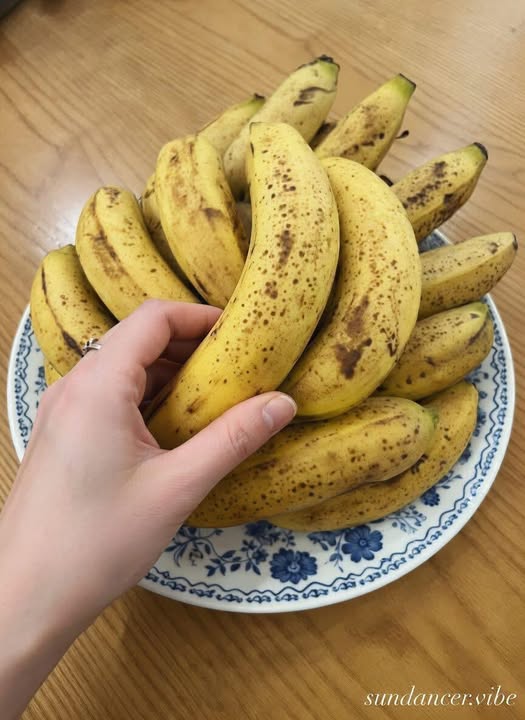
A small adjustment to your breakfast routine could make a surprisingly large difference in how you feel throughout the day.
Because healthy eating is rarely about perfection.
More often, it is about balance, awareness, and learning how to give your body the steady fuel it truly needs.
