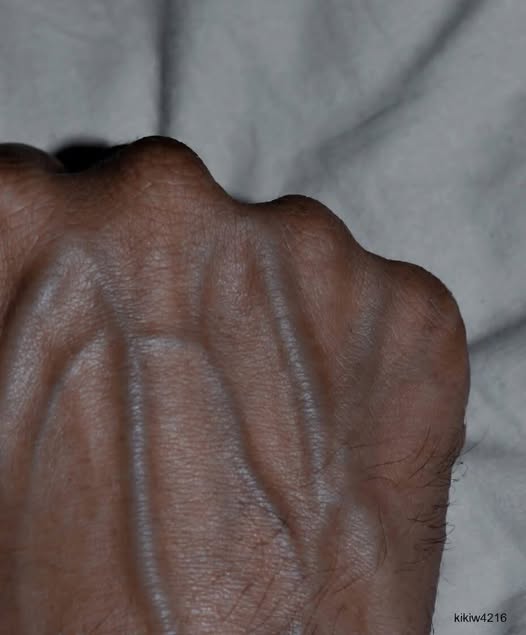
Visible veins are one of the most misunderstood physical traits in modern fitness and health culture. For some people, they symbolize athleticism, discipline, and low body fat. For others, they may simply be a genetic characteristic that appears naturally regardless of fitness level. In medical settings, however, highly visible veins can occasionally point toward circulatory issues, dehydration, or vascular disorders that deserve closer attention. The truth is far more nuanced than social media transformations or gym culture often suggest. Vein visibility, commonly referred to as vascularity, is influenced by a combination of body composition, muscle mass, genetics, hydration, skin thickness, hormones, age, temperature, blood flow, and overall cardiovascular function.
At its core, visible vascularity occurs when veins become easier to see beneath the skin’s surface. This usually happens because there is less fat covering the veins or because the veins themselves are enlarged through increased blood flow and muscular development. In lean individuals, especially athletes and bodybuilders, veins often appear across the arms, shoulders, chest, hands, legs, and abdomen. The effect becomes even more pronounced after exercise because physical activity temporarily increases blood circulation and expands blood vessels through a process called vasodilation.
For many men, visible veins start becoming noticeable when body fat percentages fall into the approximate range of 8–12 percent. Women, who naturally carry higher essential body fat for hormonal and reproductive health, may begin showing more vascularity around 15–20 percent body fat depending on genetics and muscle development. However, body fat alone does not determine whether veins will show prominently. Some people maintain visible forearm veins at relatively average body fat levels because they naturally have thinner skin or more superficial vein placement. Others remain lean yet show little vascularity due to genetics or skin thickness.
Muscle growth plays a major role in vascular appearance as well. Resistance training increases muscle size, and larger muscles push veins closer to the surface of the skin. This creates the sculpted, “roadmap” look often associated with advanced physique athletes. Weightlifting also increases blood demand to working muscles, encouraging the development of improved vascular networks over time. Combined with lower subcutaneous fat levels, this creates the striking appearance many fitness enthusiasts pursue.
Cardiovascular fitness contributes in another important way. Regular aerobic exercise improves circulation, endothelial function, and blood vessel elasticity. Healthy blood vessels respond more efficiently to physical demands, expanding and contracting with greater ease. This improved vascular responsiveness can make veins more noticeable both during exercise and at rest. Athletes involved in endurance sports such as cycling, distance running, rowing, MMA, or CrossFit frequently display pronounced vascularity because of their combination of low body fat, repetitive muscular exertion, and highly conditioned circulatory systems.
Hydration status can dramatically alter how veins appear from day to day. When the body becomes dehydrated, there is less water stored within tissues beneath the skin, causing veins to stand out more prominently. This temporary effect is why physique competitors often manipulate water intake before stepping on stage. While dehydration can create a sharper, more vascular appearance, it is not healthy or sustainable. Severe dehydration impairs athletic performance, strains the cardiovascular system, and disrupts electrolyte balance. Conversely, excess water retention caused by high sodium intake, hormonal fluctuations, or poor sleep may temporarily reduce vein visibility by creating a softer appearance beneath the skin.
Temperature is another surprisingly powerful factor. In hot environments, blood vessels dilate to help regulate body temperature and release heat, making veins more visible. This is why veins often appear larger after a hot shower, sauna session, or intense outdoor workout. Cold temperatures have the opposite effect. Vasoconstriction narrows blood vessels to conserve heat, causing veins to become less noticeable. These temporary shifts are normal physiological responses and do not necessarily indicate changes in fitness or health.
Genetics may ultimately be the single biggest determinant of natural vascularity. Some individuals inherit thinner skin, lower tendencies to store subcutaneous fat, or vein structures positioned closer to the surface. These people may display prominent veins even without intense training. Others work extremely hard to achieve vascularity yet never develop dramatic vein visibility because their skin is thicker or their vascular structure lies deeper beneath tissue layers. This explains why two people with similar body fat percentages can look entirely different in terms of vascularity.
Hormones also influence vascular appearance. Testosterone supports muscle growth, lower body fat accumulation, and greater vascular development, which partly explains why men typically display more visible veins than women. During pregnancy, women often notice increased vein prominence due to expanded blood volume and hormonal changes that relax blood vessel walls. Hormonal fluctuations throughout the menstrual cycle may also temporarily alter vascularity and fluid retention patterns.
Age changes vein visibility significantly as well. As people grow older, skin gradually loses collagen and elasticity while becoming thinner and more translucent. Simultaneously, age-related fat loss beneath the skin reduces the cushioning that once concealed veins. As a result, older adults often notice more prominent hand, arm, or leg veins even if their fitness level remains unchanged. In many cases, this is a normal part of aging rather than a sign of disease.
Within fitness culture, visible veins have become symbolic of peak conditioning and intense dedication. Gym enthusiasts frequently associate vascularity with discipline, strength, and aesthetic achievement. Social media platforms amplify this perception by showcasing bodybuilders and influencers photographed under lighting conditions designed to exaggerate muscle definition and vascularity. Yet these images often fail to show the temporary measures involved, including carb manipulation, sodium restriction, dehydration, “pump” workouts, and strategic posing techniques.
The psychological impact of vascularity should not be underestimated. For many individuals, seeing veins emerge after months of consistent training provides tangible visual evidence of progress. This can reinforce motivation and encourage healthier habits. However, it can also fuel unrealistic expectations or body dissatisfaction. Some people become overly fixated on achieving extreme vascularity despite possessing healthy, athletic physiques. Others compare themselves unfavorably to genetically gifted athletes whose vein structure naturally appears more dramatic.
In extreme cases, the pursuit of visible veins can lead to dangerous behaviors. Severe caloric restriction, chronic dehydration, misuse of diuretics, or anabolic steroid use may dramatically enhance vascular appearance while simultaneously harming long-term health. Steroids can increase red blood cell production and blood volume, making veins appear larger and more pronounced, but they also raise risks of hypertension, cardiovascular disease, liver damage, hormonal imbalance, and clotting complications. Extreme contest-level leanness can suppress immune function, reduce testosterone, disrupt menstrual cycles, and slow metabolism.
Despite the obsession with vascularity in some circles, visible veins are not a perfect indicator of health. A person may display highly prominent veins while suffering from poor cardiovascular health, nutrient deficiencies, or hormonal dysfunction. Conversely, someone with excellent blood pressure, strong endurance, and healthy metabolic markers may show very little vascularity because of genetics or body composition. True health extends far beyond outward appearance.
Sometimes visible veins can signal underlying medical concerns rather than athletic conditioning. Varicose veins are among the most common examples. These enlarged, twisted veins develop when vein valves weaken, allowing blood to pool rather than flow efficiently back toward the heart. Varicose veins frequently occur in the legs and may cause aching, swelling, heaviness, itching, or skin discoloration. Risk factors include prolonged standing, obesity, pregnancy, aging, and family history.
Spider veins are another common vascular issue. These small, web-like surface veins are usually harmless but may reflect mild circulatory weakness. More serious conditions such as chronic venous insufficiency can impair circulation and cause persistent swelling, skin damage, or ulcer formation if left untreated.
Sudden changes in vascularity deserve particular attention. If veins rapidly become more prominent alongside swelling, redness, warmth, or pain, medical evaluation is important to rule out conditions such as deep vein thrombosis. DVT occurs when blood clots form in deep veins, usually in the legs, and can become life-threatening if clots travel to the lungs. While visible surface veins alone do not confirm a clot, associated symptoms should never be ignored.
Certain metabolic or endocrine conditions may also alter vascular appearance. Hyperthyroidism can increase circulation and blood flow, occasionally leading to greater vein visibility. Severe weight loss from illness may expose veins because of rapid fat and muscle loss. Chronic smoking damages blood vessels and circulation, sometimes creating abnormal vascular patterns while simultaneously harming cardiovascular health overall.
Fortunately, achieving healthy, natural vascularity does not require dangerous extremes. Sustainable fat loss remains the safest and most effective strategy. A moderate caloric deficit combined with adequate protein intake helps reduce body fat while preserving muscle mass. Resistance training performed consistently several times per week builds muscular development that naturally enhances vascular appearance over time.
Compound movements such as squats, deadlifts, presses, rows, pull-ups, and lunges stimulate large muscle groups and support overall body recomposition. Cardiovascular exercise improves circulation and heart health while assisting with calorie expenditure and endurance. Sleep and stress management matter more than many people realize because poor recovery increases water retention and hormonal imbalance, both of which affect body composition and vascular appearance.
Nutrition quality also plays a critical role. Diets rich in lean protein, fruits, vegetables, healthy fats, whole grains, and micronutrients support skin health, circulation, and muscle recovery. Foods rich in nitrates such as beets, spinach, and arugula may support nitric oxide production, promoting healthy blood vessel dilation. Supplements like citrulline malate or L-arginine can temporarily increase blood flow during workouts, although they are not substitutes for proper training and nutrition.
Hydration should remain consistent rather than manipulated aggressively. Drinking adequate water supports circulation, performance, and vascular health without relying on unhealthy dehydration tactics. Maintaining electrolyte balance through sodium, potassium, and magnesium intake is equally important, especially for athletes training intensely or sweating heavily.
Recovery practices help preserve long-term vascular and muscular health. Overtraining without adequate rest elevates stress hormones and increases inflammation, ultimately impairing performance and body composition goals. Mobility work, walking, stretching, and active recovery improve circulation while reducing stiffness and muscular fatigue.
For individuals concerned about vein health rather than aesthetics, prevention strategies are valuable. Avoiding prolonged sitting or standing, maintaining a healthy weight, exercising regularly, and elevating the legs periodically can improve venous return. Compression garments may help people prone to leg swelling or varicose veins. Smokers benefit enormously from quitting, as tobacco severely damages blood vessel integrity and circulation over time.
Women experiencing vein changes during pregnancy should discuss symptoms with healthcare providers, particularly if swelling or pain develops. Older adults noticing new vascular patterns may also benefit from routine cardiovascular screening to ensure healthy circulation and blood pressure management.
Perhaps the most important lesson about visible veins is that they represent only one small component of physical appearance and overall health. In today’s image-driven culture, vascularity is often romanticized as proof of superior discipline or attractiveness. Yet many factors influencing vein visibility are outside personal control, especially genetics, skin thickness, and natural fat distribution patterns.
A balanced mindset recognizes visible veins as neither inherently superior nor inherently dangerous. For athletes and fitness enthusiasts, vascularity can reflect progress toward improved body composition and conditioning. For others, it may simply be a natural trait unrelated to exercise habits. In medical contexts, visible veins occasionally serve as valuable warning signs that prompt further investigation.
Ultimately, the healthiest approach is to focus on habits rather than appearances alone. Strength, endurance, mobility, energy levels, cardiovascular health, recovery quality, emotional well-being, and longevity matter far more than whether veins appear prominently under gym lighting. Sustainable exercise, nutritious eating, stress management, proper hydration, and regular health monitoring provide benefits that extend far beyond aesthetics.
Visible veins may tell part of your body’s story, but they never tell the whole story. They can reflect dedication, genetics, aging, physiology, or environmental factors all at once. Understanding the science behind vascularity allows people to appreciate it without becoming consumed by unrealistic standards or superficial comparisons. When viewed through a balanced and informed perspective, visible veins become less about chasing perfection and more about understanding how the body adapts, performs, and communicates its condition over time.
In the end, true fitness is not measured by how prominently veins stand out beneath the skin. It is measured by resilience, vitality, physical capability, cardiovascular function, and the ability to sustain healthy habits over a lifetime. Visible veins can certainly accompany those qualities, but they should remain a byproduct of well-rounded wellness rather than the ultimate goal itself.