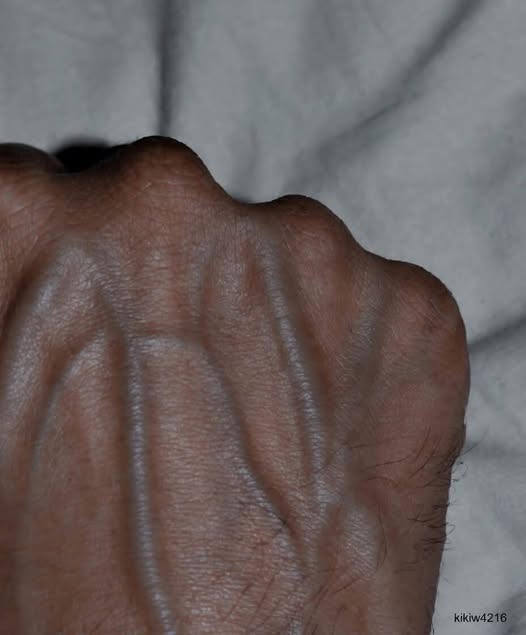
Visible veins are often one of the most noticeable physical traits associated with fitness, leanness, and athleticism, yet their meaning goes far beyond appearance alone. At the most basic level, visible veins—commonly referred to as vascularity—typically indicate a relatively low level of subcutaneous body fat combined with sufficient muscle mass. When the layer of fat beneath the skin is thinner, veins that normally remain hidden become more apparent, creating that defined, “popping” look many people associate with peak physical condition. However, this is only one piece of a much larger physiological picture. Genetics play a powerful role in determining how visible your veins are; some individuals naturally have thinner skin or veins positioned closer to the surface, making vascularity more noticeable even without extreme dieting or training. Others may have thicker skin or deeper vascular structures, meaning they may rarely see prominent veins despite being very fit. Hormones, particularly testosterone, also influence vascularity by supporting muscle growth and blood vessel dilation. While visible veins are often admired in fitness culture, they are not a universal or definitive sign of health. Instead, they reflect a combination of body composition, biological traits, and environmental factors that vary widely from person to person.
To understand why veins become visible, it helps to look at how the body stores fat and distributes blood. Subcutaneous fat acts as a layer between the skin and underlying muscles and blood vessels. As body fat decreases—whether through diet, exercise, or natural metabolism—this layer becomes thinner, allowing veins to show more clearly. At the same time, resistance training increases muscle size, which can push veins closer to the surface, enhancing their appearance. Cardiovascular fitness also contributes by improving circulation and vascular efficiency, making blood vessels more responsive and sometimes more prominent. However, visible veins can fluctuate even within the same individual depending on conditions such as hydration and temperature. In hot environments or during exercise, blood vessels dilate (a process called vasodilation), increasing blood flow and making veins temporarily more visible. In contrast, cold temperatures cause vasoconstriction, reducing blood flow near the skin and making veins less noticeable. Hydration is another key factor: dehydration can make veins appear more pronounced because there is less fluid in surrounding tissues, while proper hydration may soften their appearance. These dynamic changes highlight that vascularity is not a fixed trait but a constantly shifting reflection of internal and external conditions.
Beyond fitness and physiology, visible veins also carry cultural and psychological meaning, especially in modern fitness communities. In many cases, pronounced vascularity is seen as a symbol of discipline, dedication, and physical excellence. Social media, bodybuilding competitions, and athletic imagery often reinforce the idea that visible veins represent the “ideal” physique, particularly for men. This perception can create both motivation and pressure. For some, seeing veins become more defined serves as a tangible sign of progress, reinforcing healthy habits like consistent training and mindful nutrition. For others, it can lead to frustration or unhealthy comparisons, especially if their genetics do not favor visible vascularity. In extreme cases, the pursuit of more pronounced veins can push individuals toward unsustainable practices, such as severe calorie restriction, dehydration techniques, or misuse of performance-enhancing substances. These methods may temporarily increase vascularity but often come at the expense of overall health, affecting hormones, metabolism, and cardiovascular function. Understanding that visible veins are only one aspect of physical fitness—and not a requirement for health—helps create a more balanced and realistic perspective on body image and well-being.
From a practical standpoint, developing visible veins in a healthy and sustainable way involves focusing on overall body composition rather than chasing vascularity directly. Gradual fat loss through a moderate calorie deficit, combined with regular strength training, is the most effective and safest approach. Building muscle through compound exercises like squats, presses, and pulls enhances the structural support that makes veins more noticeable, while cardiovascular exercise improves blood flow and vascular function. Nutrition plays a crucial role, with adequate protein intake supporting muscle maintenance and growth, and balanced carbohydrates and fats providing energy and hormonal stability. Hydration should remain consistent, as artificially manipulating water intake to increase vein visibility can be harmful. Supplements that promote blood flow, such as those supporting nitric oxide production, may enhance temporary vascularity but should never replace foundational habits. Tracking progress through photos, measurements, or body composition assessments provides a more accurate picture than relying solely on visual cues like veins. Over time, as the body becomes leaner and stronger, vascularity may naturally increase—but it should be viewed as a byproduct of health-focused behaviors, not the primary goal.
While visible veins are often harmless, there are situations where they may signal underlying health concerns that should not be ignored. Sudden changes in vein prominence, especially if accompanied by pain, swelling, discoloration, or asymmetry, may indicate conditions such as varicose veins, chronic venous insufficiency, or even more serious issues like deep vein thrombosis. Varicose veins occur when vein valves weaken, causing blood to pool and vessels to enlarge, often leading to discomfort and fatigue in the affected area. In other cases, increased vascularity may be linked to dehydration, hormonal imbalances, or metabolic conditions that alter circulation. Aging also plays a role, as the skin naturally loses collagen and elasticity over time, becoming thinner and making veins more visible regardless of fitness level. For women, hormonal fluctuations during the menstrual cycle or pregnancy can temporarily increase vascularity due to changes in blood volume and vessel relaxation. Recognizing the difference between normal, fitness-related vascularity and potential warning signs is essential. When in doubt, consulting a medical professional ensures that any unusual changes are properly evaluated and addressed.
Ultimately, visible veins are a multifaceted indicator shaped by biology, lifestyle, and context, rather than a simple marker of fitness or health. They can reflect positive adaptations such as reduced body fat, increased muscle mass, and improved circulation, but they can also be influenced by temporary factors like hydration and temperature, or by deeper issues requiring attention. Embracing a holistic view of health means appreciating vascularity as one small piece of a much larger puzzle that includes strength, endurance, mental well-being, and long-term sustainability. Rather than striving for a specific look, focusing on consistent, balanced habits allows the body to develop naturally and maintain its functions effectively. For some, visible veins will become a noticeable feature; for others, they may remain subtle. Both outcomes can exist within a healthy, fit body. In the end, true wellness is not defined by how prominently veins appear, but by how well the body performs, recovers, and supports a fulfilling, active life over time.