Our bodies often communicate in quiet, subtle ways long before more obvious symptoms appear, and one of the most overlooked places where these signals show up is in our nails. While many people focus on nails purely from a cosmetic perspective, their texture, color, and surface patterns can sometimes reflect what is happening internally. Among the most common features people notice are lines or ridges that develop across or along the nail surface. These changes can raise questions and even concern, especially when they seem to appear suddenly or become more noticeable over time.
Nail lines are generally divided into two main types: vertical ridges and horizontal lines. Each type has different causes and implications, and understanding the difference between them is key to interpreting what your nails may be telling you. In most cases, these ridges are harmless and simply part of the natural aging process or minor variations in nail growth. However, there are instances where they may be linked to lifestyle factors, temporary stress on the body, or nutritional imbalances.
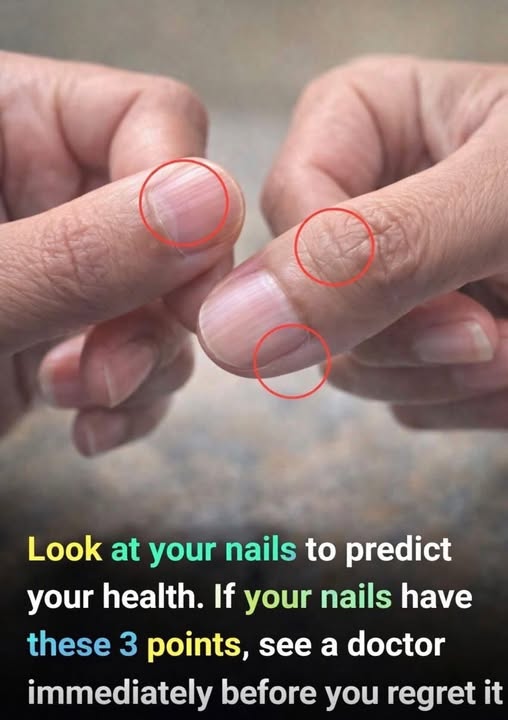
Vertical ridges, also known as longitudinal ridges, are by far the most common type. These lines run from the base of the nail near the cuticle all the way to the tip. Many people begin to notice them more clearly as they get older, which is completely normal. Just as skin loses elasticity over time, the nail matrix—the area where nail growth begins—can also undergo gradual changes. These changes may cause the nail to grow slightly unevenly, resulting in the formation of ridges.
In younger individuals, faint vertical ridges can still appear, often without any underlying issue. Genetics plays a significant role in determining nail texture, meaning some people are simply more prone to visible ridging than others. Hydration and nail care habits can also influence how pronounced these ridges appear. Dry nails, for example, tend to show more texture, making ridges more noticeable even if they are not severe.
While vertical ridges are usually harmless, there are cases where they may be associated with nutritional factors. Deficiencies in certain nutrients—particularly iron, magnesium, or B vitamins—can affect nail growth and strength. When the body lacks these essential nutrients, the nail matrix may not function optimally, leading to subtle irregularities in the nail surface. However, it is important to emphasize that ridges alone are not enough to diagnose any deficiency. They should be considered alongside other signs such as fatigue, brittle nails, or changes in skin and hair.
Horizontal lines, often referred to as Beau’s lines, are less common but tend to attract more attention because of their distinct appearance. Unlike vertical ridges, these lines run across the nail from one side to the other. They are typically deeper and more pronounced, sometimes forming visible grooves in the nail surface. Beau’s lines are usually the result of a temporary interruption in nail growth.
This interruption can occur for a variety of reasons. Illness is one of the most common causes, particularly if it involves a high fever or places significant stress on the body. During such periods, the body may redirect energy away from non-essential processes like nail growth, causing it to slow down or briefly stop. When normal growth resumes, the result is a visible line marking the point of disruption.
Physical trauma to the nail can also lead to horizontal lines. Even minor injuries that affect the nail matrix may leave a temporary mark that becomes visible as the nail grows out. Repeated exposure to harsh chemicals, such as strong cleaning agents or nail products, can have a similar effect by weakening the nail structure and interfering with normal growth patterns.
One of the most interesting aspects of Beau’s lines is that they can act almost like a timeline. Because nails grow slowly—typically a few millimeters per month—the position of the line on the nail can give a rough indication of when the disruption occurred. A line closer to the tip of the nail reflects an event that happened further in the past, while one near the base indicates a more recent occurrence. This can sometimes help individuals connect nail changes with past illnesses or periods of stress.
Stress itself, both physical and emotional, can influence nail health in subtle ways. Prolonged stress can affect hormone levels, circulation, and overall body function, all of which play a role in nail growth. While stress alone may not always cause visible ridges, it can contribute to conditions that make these changes more likely.
Despite all these potential connections, it is essential to approach nail changes with a balanced perspective. Nails are influenced by many factors, and a single change rarely points to a specific problem. For example, a person may develop ridges due to aging, mild dehydration, or even frequent hand washing, none of which are serious concerns. On the other hand, when nail changes occur alongside other symptoms—such as persistent fatigue, weakness, or noticeable changes in overall health—it may be worth seeking medical advice.
Maintaining healthy nails does not require complicated routines, but it does benefit from consistent care. Nutrition is one of the most important factors. A diet that includes a variety of vitamins and minerals supports not only nail health but overall well-being. Foods rich in iron, such as leafy greens and lean proteins, can help maintain strong nails. B vitamins, found in whole grains, eggs, and legumes, are also important for healthy nail growth.
Hydration plays a supportive role as well. Drinking enough water helps maintain the moisture balance in the body, which can affect the flexibility and appearance of nails. Dry, brittle nails are more prone to ridging and other surface irregularities, so keeping the body well-hydrated can make a noticeable difference over time.
Protecting your hands is another simple but effective step. Wearing gloves when using harsh cleaning products or working with chemicals can prevent damage to both the nails and the surrounding skin. Similarly, avoiding excessive use of strong nail polish removers or treatments can help preserve the natural strength of the nails.
Moisturizing the nails and cuticles regularly can also improve their appearance. While this will not eliminate ridges entirely, it can make them less noticeable and support healthier nail growth. Gentle nail care practices, such as filing rather than aggressively cutting and avoiding picking or biting, further reduce the risk of damage.
It is also helpful to remember that nails grow slowly, and any changes—positive or negative—take time to become visible. Improvements in diet or lifestyle may not be reflected in the nails for several weeks or even months. Patience is an important part of maintaining nail health.
In cases where nail lines are severe, persistent, or accompanied by other unusual changes—such as discoloration, thickening, or separation from the nail bed—it is wise to consult a healthcare professional. While most nail ridges are harmless, a professional evaluation can help rule out underlying conditions and provide peace of mind.
Ultimately, nail lines are a natural part of the body’s ongoing process of growth and renewal. They can reflect age, lifestyle, temporary stress, or minor imbalances, but they are rarely a cause for alarm on their own. By paying attention to these subtle signs without overinterpreting them, individuals can develop a better understanding of their bodies while avoiding unnecessary worry.
In the bigger picture, nails are just one small piece of a much larger puzzle. True health is reflected in how the body functions as a whole—energy levels, strength, resilience, and overall well-being. Nail lines may offer hints along the way, but they should always be considered within the broader context of a healthy, balanced life.