Scratched glasses can quickly turn from a minor annoyance into a daily frustration, especially when glare, halos, or blurred spots interfere with reading, driving, or screen use. It’s completely understandable that many people look for quick fixes at home rather than immediately replacing lenses. However, it’s important to start with a clear truth: most scratches cannot be fully repaired. At best, they can sometimes be reduced or made less noticeable under certain conditions. Modern lenses—especially plastic, polycarbonate, or high-index—are layered with delicate coatings like anti-reflective, UV protection, or blue-light filters. These coatings are often softer than the lens itself and are usually the first to be damaged. Many DIY “fixes” don’t actually repair scratches but instead remove or smooth these coatings, which can lead to worse glare or distortion over time. That said, if you’re working with older glasses, backup pairs, or uncoated lenses, there are a few careful methods worth trying—with realistic expectations and a willingness to stop if things worsen.
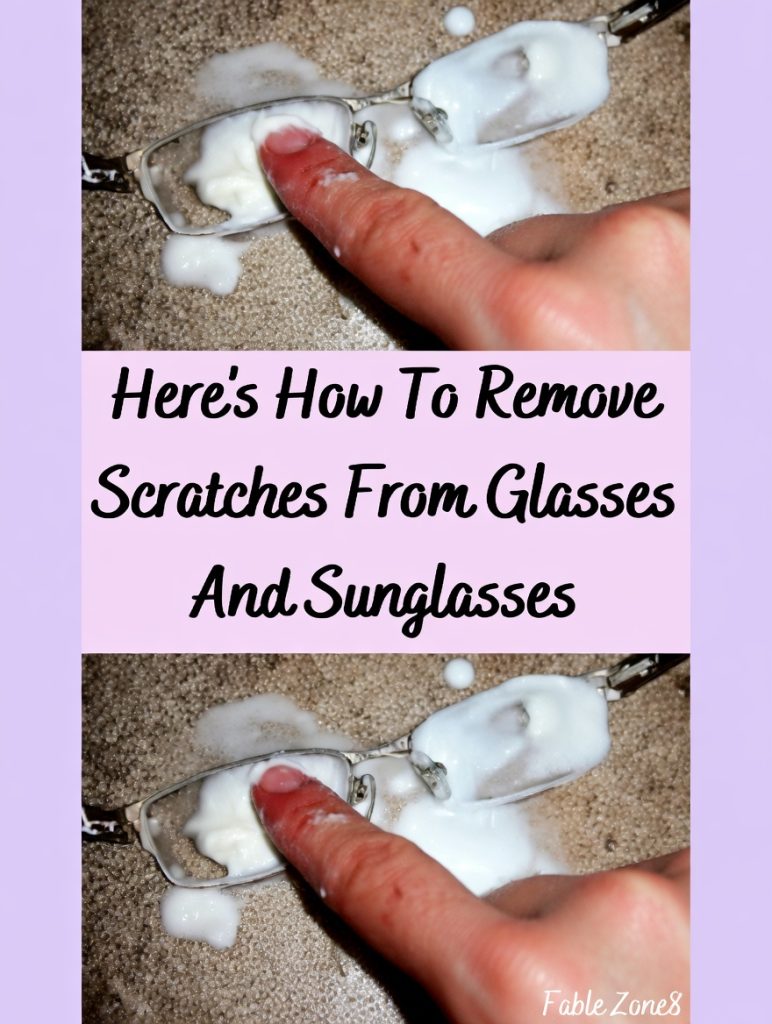
The first method involves a simple baking soda paste, often considered the safest mild abrasive option. To try this, mix baking soda with a small amount of distilled water until it forms a smooth, lump-free paste. Before applying anything, clean your lenses thoroughly with mild soap and water to remove dust or debris that could cause further scratches. Using a fingertip or soft cotton pad, gently rub the paste over the scratch in small circular motions for no more than 10 seconds. Rinse thoroughly and dry with a microfiber cloth. This method works by slightly smoothing the edges of very fine scratches so they scatter less light. However, it should never be used on coated lenses, as it can strip protective layers almost instantly. Even on uncoated lenses, overuse can create uneven surfaces that distort vision, so it’s best treated as a one-time, light attempt rather than a repeated fix.
A second option is using non-gel, non-whitening toothpaste—but this comes with stronger warnings. Many modern toothpastes contain abrasive particles designed for enamel, not delicate optical surfaces. If you attempt this method, use only a tiny amount of plain toothpaste on a damp microfiber cloth. Gently buff the scratch for a few seconds, then rinse thoroughly. Like baking soda, this method may slightly reduce the appearance of fine scratches but cannot remove them. The risk here is higher: toothpaste can easily cloud lenses or damage coatings beyond repair. Always test a small corner first and stop immediately if you notice haze or dullness. For most modern prescription glasses, this method is risky and often not worth it unless the lenses are already old or expendable.
A third approach involves using car wax or specialized plastic polish products. These do not repair scratches but instead fill them temporarily, reducing how much light reflects off the damaged area. Apply a very small amount to the lens, gently buff it in, and then wipe away any excess with a clean microfiber cloth. This can make scratches less visible for a short time, especially on sunglasses or older lenses. However, the effect wears off quickly with cleaning or regular use, and residue can sometimes create smearing or glare. These products are best used as a temporary cosmetic fix, not a long-term solution, and should be avoided on high-quality coated lenses you rely on daily.
Equally important as knowing what to try is knowing what to avoid completely. Harsh substances like metal polish, household cleaners, alcohol, vinegar, or anything abrasive (including paper towels or rough fabrics) can permanently damage lenses in seconds. One commonly mentioned product is Brasso, which is far too abrasive for glasses and will almost certainly leave lenses cloudy and unusable. Similarly, using tissues or clothing to wipe lenses may seem harmless, but they often contain tiny fibers that create micro-scratches over time. Once coatings are stripped or lenses are etched, there is no way to restore them. Avoiding these mistakes is often more valuable than any DIY repair attempt.
Because true repair is limited, prevention is the most effective long-term strategy. Always store glasses in a hard protective case when not in use, and clean them only with proper lens cleaner and a microfiber cloth. Rinse lenses with water before wiping to remove dust particles that could scratch the surface. Avoid placing glasses lens-down on surfaces, and consider having a backup pair for activities that might expose them to damage. When buying new glasses, investing in high-quality coatings can improve durability and reduce glare. Most importantly, recognize when it’s time to replace your lenses. If scratches sit directly in your line of sight, cause eye strain, headaches, or interfere with driving or reading, replacement is the safest and healthiest option. Clear vision isn’t just about comfort—it’s essential for safety and overall eye health. Sometimes, the smartest fix isn’t repairing the scratch, but choosing clarity again.