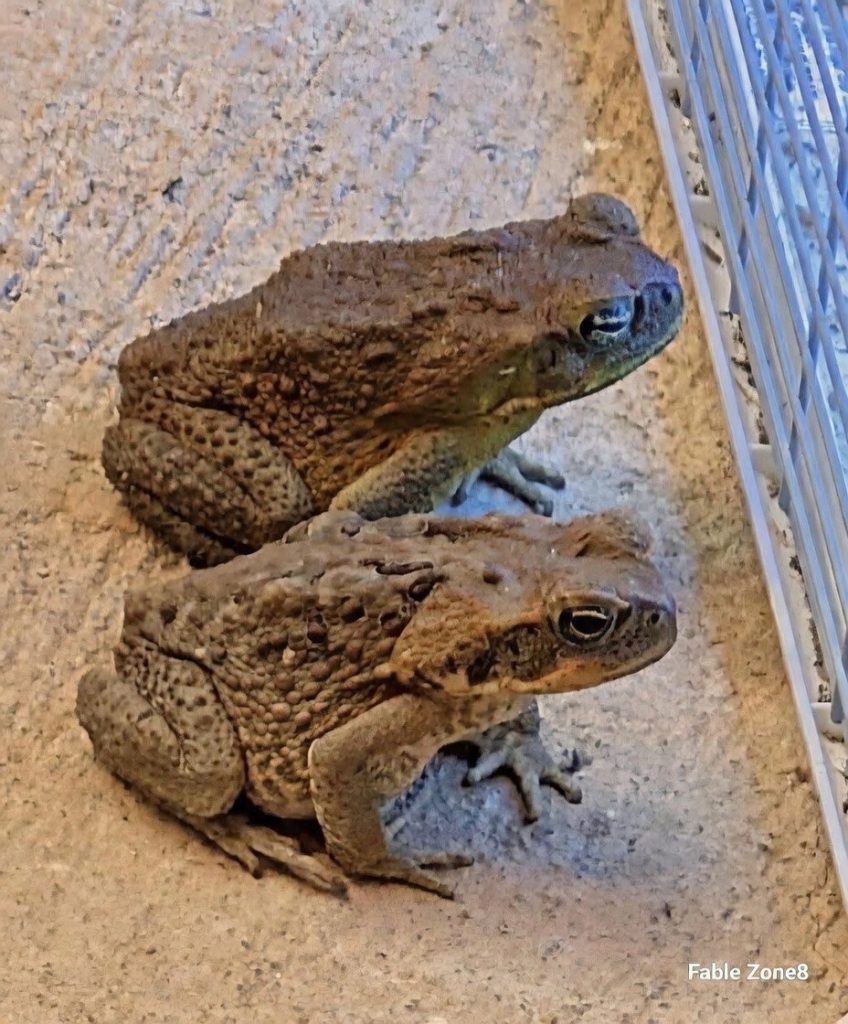
Finding a toad in or around your home can feel unexpected, even a little unsettling at first. These quiet, slow-moving creatures often appear without warning, tucked into a corner of a garden, near a doorway, or occasionally inside the house itself. For many people, the immediate reaction is confusion—why is it here, and does it mean something unusual? In reality, the presence of a toad is almost always rooted in simple, natural behavior rather than anything mysterious or symbolic. Toads are guided by basic survival needs: they seek moisture to keep their skin hydrated, shelter to stay safe from predators and harsh conditions, and access to food, primarily insects. If your home or yard provides these elements, even unintentionally, it can become an inviting environment for them. Damp soil, shaded areas, water sources, and outdoor lights that attract insects all contribute to making a space appealing to these amphibians. Their appearance is less about intrusion and more about opportunity—they have simply found a place that meets their needs.
Toads are primarily nocturnal, meaning they are most active during the evening and nighttime hours. During the day, they tend to hide in cool, dark places to avoid heat and dehydration. This behavior often leads them to sheltered spots such as under porches, behind flower pots, inside garages, or along the edges of buildings where moisture is retained. After rainfall or during periods of high humidity, their activity increases significantly, which is why people are more likely to notice them during these times. If a toad has made its way inside a home, it is usually by accident, entering through an open door, a gap, or while following insects drawn to indoor lights. Despite their somewhat rough appearance, toads are harmless to humans. They do not attack, chase, or behave aggressively. Their instinct is to avoid interaction, often freezing in place or slowly moving away when approached. Understanding this helps shift the perception from fear or concern to simple awareness of a harmless visitor passing through.
In fact, having toads nearby can be surprisingly beneficial. They play an important role in controlling insect populations, feeding on pests such as mosquitoes, flies, beetles, and other small creatures that can become bothersome or even harmful. A single toad can consume a significant number of insects in one night, making them a natural and eco-friendly form of pest control. For gardeners, this is particularly valuable. Instead of relying on chemical pesticides, which can harm the environment and other wildlife, the presence of toads supports a more balanced and sustainable approach. Their quiet work often goes unnoticed, yet it contributes to healthier plants and a more comfortable outdoor space. When viewed from this perspective, a toad is not an unwelcome guest but rather a helpful participant in maintaining the natural balance of the environment around your home.
Beyond their practical benefits, toads are also considered indicators of environmental health. Amphibians, including toads, are highly sensitive to changes in their surroundings. Their skin absorbs water and oxygen directly, making them vulnerable to pollution, chemicals, and habitat disruption. Because of this sensitivity, they tend to thrive only in areas where the ecosystem is relatively clean and balanced. If a toad has chosen to live in your yard, it often suggests that the environment is supportive of life—free from excessive toxins and rich in the conditions necessary for survival. This can be reassuring, as it reflects a level of ecological stability that benefits not just wildlife, but also the people living in that space. In a way, the presence of a toad serves as a quiet confirmation that your surroundings are functioning in harmony with nature.
While science offers clear explanations for why toads appear, cultural interpretations add another layer of meaning that many people find intriguing. Across different traditions and belief systems, toads have been associated with a variety of symbolic ideas, often related to transformation and change. This symbolism is closely tied to their life cycle. Toads begin as tadpoles in water and gradually develop into land-dwelling creatures, undergoing a remarkable transformation that reflects adaptability and growth. Because of this, they are sometimes seen as symbols of personal change, resilience, and the ability to navigate transitions in life. Encountering a toad can be interpreted, in a symbolic sense, as a reminder that change is natural and often necessary for growth, even if it feels unexpected or uncomfortable at first.
In certain cultural practices, especially within traditions like Feng Shui, toads are linked to prosperity, luck, and positive energy. They are sometimes represented as symbols that attract abundance or financial well-being, often depicted in art or placed intentionally in homes as decorative elements. Other interpretations view them as protectors or as creatures that help clear stagnant energy, encouraging movement and renewal in spaces that may feel stuck or unbalanced. While these beliefs are not based on scientific evidence, they reflect the human tendency to find meaning in the natural world. For many, these interpretations provide comfort or a sense of connection, turning an ordinary encounter into something more reflective or meaningful. Whether one embraces these ideas or simply appreciates them as folklore, they offer an interesting perspective on how different cultures understand and value the presence of animals in everyday life.
Ultimately, the appearance of a toad in your home or yard is far less mysterious than it may initially seem, yet it can still carry a quiet significance. From a practical standpoint, it is a sign that your environment offers moisture, shelter, and food—basic elements that support life. From an ecological perspective, it suggests a level of environmental health and balance that allows sensitive species to thrive. And from a symbolic viewpoint, it can serve as a gentle reminder of transformation, adaptability, and the interconnectedness of living things. Rather than reacting with concern or discomfort, it can be helpful to pause and observe, recognizing the role that even the smallest creatures play in the broader ecosystem. In doing so, what begins as an unexpected encounter can become an opportunity to appreciate the subtle ways nature exists alongside us, often unnoticed but always present.