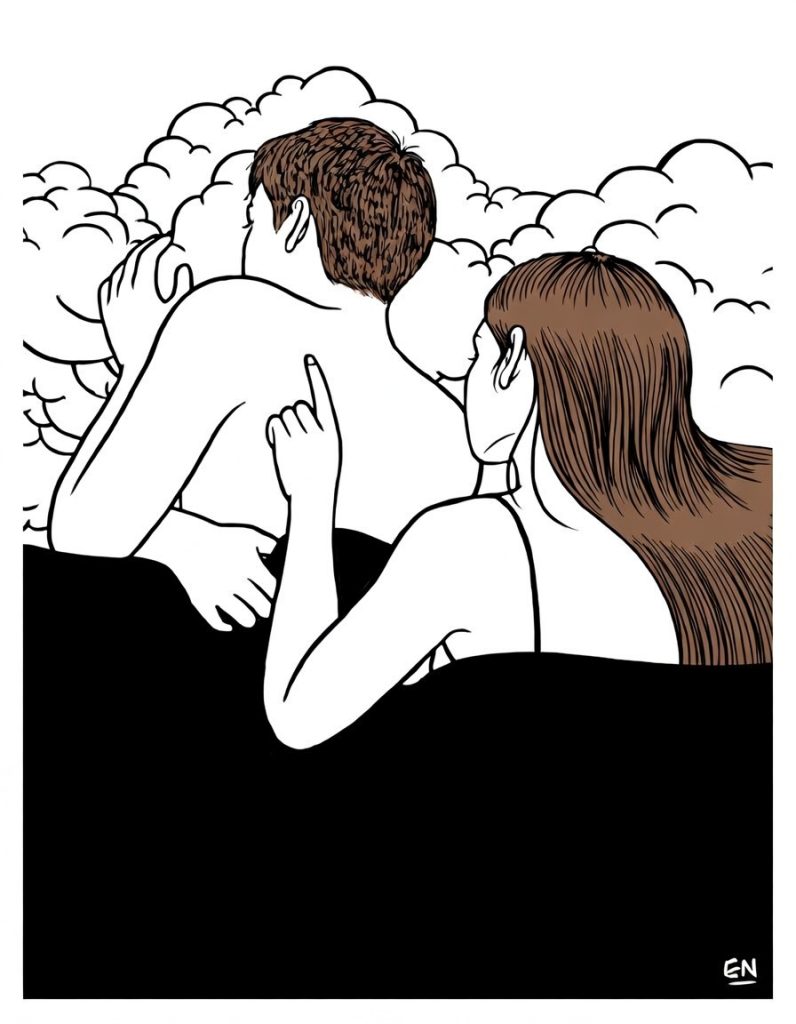
When your partner turns their back toward you at night, it can quietly trigger a wave of overthinking. In the stillness of the dark, even the smallest movements can feel loaded with meaning. Without words, facial expressions, or context, body language becomes the only signal to interpret—and it’s easy to assume the worst. A turned back might seem like emotional distance, irritation, or even silent rejection. But in reality, sleep positions are far more influenced by physical comfort than emotional intent. The body, not the mind, is in control during rest. What may feel personal is often simply biological.
In many cases, the explanation is straightforward: comfort and habit. People naturally settle into positions that support better sleep quality, whether that means side-sleeping for spinal alignment or facing outward to regulate temperature. Some individuals prefer cooler air on their face, while others avoid direct breathing or movement from a partner during the night. These choices are rarely conscious. The body seeks positions that reduce interruptions and allow deeper, uninterrupted rest. Turning away can be less about creating distance and more about achieving relaxation. A well-rested person is ultimately more emotionally available, making physical comfort an important—if overlooked—part of a healthy relationship.
That said, context always matters. If this behavior appears suddenly after tension or conflict, it can sometimes reflect a need for emotional space. Humans often express subtle forms of withdrawal when processing feelings like stress, frustration, or hurt. Sleep, being a vulnerable state, can mirror those internal shifts. However, one isolated behavior should never be treated as definitive proof of a problem. Emotional distance tends to show up in multiple ways—reduced communication, less affection, or noticeable changes in daily interaction. Without those patterns, a turned back is simply a posture, not a message.
Interestingly, many relationship experts suggest that sleeping back-to-back can actually indicate a sense of security. When couples feel safe and confident in their bond, they don’t rely on constant physical closeness to maintain connection. In fact, this position can reflect a healthy balance between intimacy and independence. Light physical contact—like touching backs or feet—often signals reassurance without the need for full closeness. Over time, relationships tend to evolve from constant contact to comfortable coexistence, where both partners can rest freely without feeling disconnected.
Individual differences also play a role. Some people naturally crave closeness during sleep, while others prefer a bit of personal space even in the most loving relationships. Neither preference is right or wrong—it simply comes down to compatibility and understanding. If one partner feels hurt or confused, the most effective solution is open, calm communication. Asking a simple question without accusation can quickly replace doubt with clarity. Often, the answer is practical and reassuring, removing any unnecessary emotional weight from the situation.
At its core, sleep is about restoration, not communication. The body uses this time to recover, regulate, and recharge. While body language can sometimes reflect emotional states, it should always be viewed within the bigger picture of the relationship. If your connection feels strong during the day—filled with warmth, respect, and communication—then a turned back at night is likely nothing more than a comfortable way to rest. In many cases, the ability to sleep independently while remaining emotionally connected is not a warning sign, but a quiet indication of trust and stability.