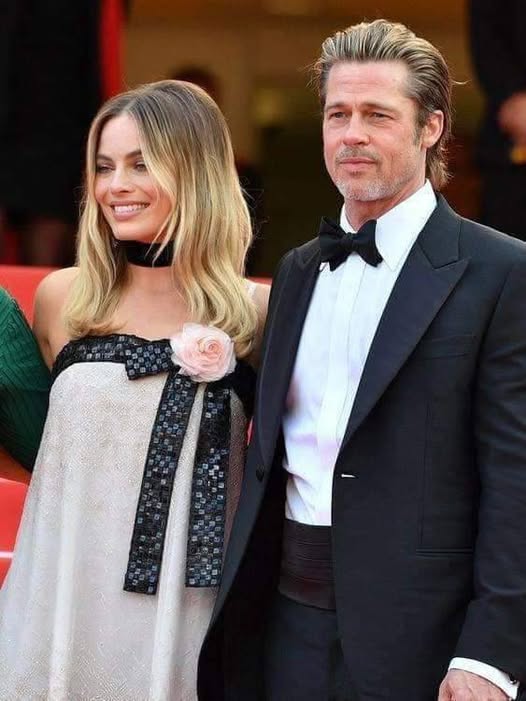
After decades of living under relentless public attention, Brad Pitt appears to be embracing a markedly different chapter—one defined not by premieres, controversy, or tabloid speculation, but by stillness, emotional balance, and deliberate privacy. The years following his highly publicized divorce were filled with legal disputes, personal reckonings, and an intensity that left little room for quiet reflection. In contrast, this new phase of life reflects a conscious retreat from chaos toward something more grounded and sustainable. Friends describe Pitt as calmer, more introspective, and focused on healing rather than reacting. Central to this shift is his relationship with Ines de Ramon, a partnership that has unfolded slowly and deliberately, offering him consistency rather than spectacle. Rather than attempting to rewrite the past or perform happiness for public consumption, Pitt appears to be prioritizing emotional health, routine, and a sense of inner peace that has long been elusive. This chapter is not about reinvention for an audience, but about recalibration for himself, signaling a profound change in how he defines fulfillment and connection.
Those close to the couple describe their relationship as intentionally understated, built on trust and mutual respect rather than dramatic gestures or constant visibility. Unlike the highly curated romances often associated with Hollywood, Pitt and de Ramon reportedly find meaning in shared mornings, quiet evenings, and predictable routines that foster emotional safety. There is an emphasis on listening rather than performing, on presence rather than presentation. Insiders note that Pitt’s demeanor has shifted noticeably since entering this relationship, describing him as more emotionally available and less guarded. A source quoted in ELLE characterized him as “genuinely happy and grounded,” a description that speaks less to external success and more to internal alignment. This is not a romance fueled by adrenaline or novelty, but one sustained by patience and consistency. In a culture that often equates passion with volatility, their dynamic suggests an alternative model—one where stability is not dull, but deeply restorative.
Ines de Ramon’s influence is often described as quietly transformative rather than overtly directive. As Vice President of the luxury jewelry brand Anita Ko, she brings a professional life marked by focus, discipline, and thoughtful leadership—qualities that appear to extend naturally into her personal relationships. Her background outside of acting has allowed her to remain largely untouched by the machinery of celebrity culture, providing a grounding contrast to Pitt’s world. Previously married to actor Paul Wesley, de Ramon emerged from her own divorce with a reputation for discretion and emotional maturity. The couple was first linked publicly in late 2022, though sources suggest their connection began earlier and developed privately. By early 2024, she had moved into Pitt’s Los Angeles home, and by mid-2025, they were reportedly living together fully, sharing responsibilities and rhythms that resemble a partnership rather than a public-facing romance. Those familiar with their relationship emphasize her independence and emotional steadiness, noting that she neither seeks nor resists attention, but simply exists comfortably outside of it.
What distinguishes this relationship most clearly from Pitt’s past is its approach to privacy and emotional pacing. Rather than allowing outside narratives to shape their story, the couple reportedly coordinates travel carefully, avoids unnecessary exposure, and prioritizes personal time over appearances. Their home life is described as calm and intentional, centered on reflection, shared meals, and supportive conversation. This grounding presence proved particularly significant during moments of personal loss, including the passing of Pitt’s mother, when de Ramon was said to provide quiet strength rather than public statements. Observers note that Pitt appears less reactive, more emotionally regulated, and better able to engage authentically with those around him. When the couple does appear in public—such as their understated walk together at the 2025 European Formula One premiere—the moments are restrained and purposeful, offering just enough visibility to acknowledge their bond without turning it into spectacle.
Unlike many celebrity relationships that move quickly under public pressure, Pitt and de Ramon have chosen patience over momentum. Friends describe them as deeply supportive of one another’s individual paths, acting as steady encouragement rather than sources of distraction. Even as rumors of engagement or long-term plans circulate, those close to the couple emphasize that there is no urgency to define their relationship through milestones for public validation. Instead, the focus remains on nurturing trust, communication, and shared growth. This approach reflects a broader emotional shift for Pitt, one shaped by years of introspection, sobriety, and therapy. Rather than seeking redemption through grand gestures or new narratives, he appears committed to the quieter work of consistency and accountability. Their relationship, in this sense, is less about romance as performance and more about partnership as practice.
Ultimately, the relationship between Brad Pitt and Ines de Ramon offers a compelling counter-narrative to the conventional Hollywood love story. It is not driven by headlines, exclusives, or dramatic arcs, but by small, repeated acts of care and mutual respect. Their story suggests that even within the glare of fame, it is possible to cultivate intimacy rooted in trust and emotional safety. For Pitt, this chapter represents not a triumphant comeback or cinematic reinvention, but something far more meaningful—a lived experience of balance, connection, and peace. In choosing privacy over spectacle and depth over display, Pitt and de Ramon demonstrate that lasting love is not found in the noise surrounding fame, but in the quiet spaces where two people meet as equals. Their partnership stands as a reminder that true intimacy thrives not in constant attention, but in shared stillness, patience, and the freedom to grow together away from the world’s gaze.