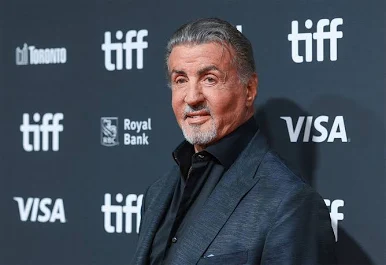
The death of Sage Stallone, the eldest son of Hollywood icon Sylvester Stallone, sent a shockwave through the entertainment industry and beyond when he was found deceased at his Hollywood home on July 13, 2012, at just 36 years old. Initial reports triggered intense public speculation, fueled by the suddenness of his passing, the presence of prescription medication at the scene, and the unavoidable scrutiny that follows the death of a celebrity’s child. In the days that followed, attention focused not only on what had happened, but on how and why a seemingly young and creative individual could be taken so unexpectedly. The Los Angeles County Coroner ultimately confirmed that Sage Stallone died of natural causes resulting from a heart condition, specifically arterial blockage. Toxicology findings revealed only a small amount of hydrocodone in his system, a level deemed insignificant and unrelated to his death, with no evidence of overdose, illegal substances, or foul play. This official ruling helped dispel widespread rumors and redirected attention toward the medical realities of cardiovascular disease, even among younger adults. While the facts brought clarity, they did little to soften the emotional weight of the loss for family members, friends, and admirers who struggled to reconcile the finality of such an abrupt tragedy.
The circumstances surrounding Sage’s discovery heightened public concern in the immediate aftermath. He was found by a relative and a household employee after failing to respond to calls, prompting authorities to conduct a thorough investigation out of an abundance of caution. The presence of prescription bottles, though not unusual for many adults, became a focal point for speculation, especially in an era when high-profile deaths are often prematurely linked to substance abuse. Coroner officials were careful to clarify that while hydrocodone was detected, the amount was minimal and not a contributing factor. The true cause, arterial blockage related to underlying heart disease, underscored the silent and often undiagnosed nature of cardiovascular conditions. Medical experts noted that such blockages can develop gradually and remain unnoticed until a catastrophic event occurs. In Sage’s case, there were no public indications of severe illness, which only intensified the shock felt by those who knew him. The classification of his death as natural served as both an explanation and a sobering reminder that serious heart conditions do not discriminate by age, fame, or outward appearance.
For Sylvester Stallone, the loss was profoundly personal and devastating. Known worldwide for portraying resilience and strength through characters like Rocky Balboa and John Rambo, Stallone faced a grief that no public persona could shield him from. Reports at the time described him as heartbroken and overwhelmed, prompting him to withdraw from public appearances and promotional obligations for The Expendables 2. Through his representatives, Stallone asked for privacy, declining to make public statements about the coroner’s findings or the circumstances of his son’s death. The restraint reflected both the depth of his sorrow and a desire to mourn without spectacle. Friends and colleagues expressed sympathy, acknowledging that behind the fame stood a father grappling with an unimaginable loss. The tragedy highlighted the universal nature of grief, reminding the public that even those accustomed to public attention experience deeply private pain when family is involved.
Sage Stallone’s life and career, though relatively brief, reflected a genuine passion for film that extended far beyond his association with his famous father. As an actor, he appeared alongside Sylvester Stallone in Rocky V and Daylight, performances that introduced him to mainstream audiences while also subjecting him to inevitable comparisons. Rather than relying solely on acting, Sage pursued filmmaking from multiple angles, seeking creative independence and personal expression. In 2006, he directed the short film Vic, which screened at the Palm Springs Film Festival and demonstrated his interest in storytelling behind the camera. Perhaps most notably, he co-founded Grindhouse Releasing in 1996, a company devoted to restoring, preserving, and distributing obscure and cult films from the 1970s and 1980s. This venture reflected Sage’s deep respect for cinema history and his belief that overlooked films deserved preservation and renewed appreciation. Within niche film communities, his work earned respect and admiration, establishing a legacy rooted in curation and cultural preservation rather than celebrity alone.
The coroner’s detailed findings played a crucial role in correcting public narratives that had formed in the absence of verified information. By confirming arterial blockage as the cause of death and ruling out substance abuse, officials helped protect Sage Stallone’s reputation and allowed his family a measure of dignity amid widespread media attention. The emphasis on natural causes also drew attention to broader health conversations, particularly the importance of cardiovascular awareness. Medical professionals used the case as an example of how heart disease can remain undetected, reinforcing the value of regular screenings and early intervention. While such discussions cannot undo loss, they serve as reminders that public tragedies can carry lessons with lasting impact. In Sage’s case, the clarity offered by the coroner’s report replaced rumor with fact, allowing remembrance to focus on his life rather than unfounded speculation.
Sage Moonblood Stallone’s death remains a poignant chapter in Hollywood history, marked by both sorrow and reflection. Though his life was cut short, his contributions to film—as an actor, director, and preservationist—continue to resonate within the communities he touched. For his family, especially his father, the loss represented an irreplaceable absence that fame and success could never mitigate. For the public, his passing served as a reminder of life’s fragility and the unseen health challenges that can affect anyone. The coroner’s ruling provided closure regarding the circumstances of his death, affirming that he died of natural causes and allowing his story to be remembered with accuracy and respect. More than a headline or a tragic footnote, Sage Stallone is remembered for his creative curiosity, dedication to film culture, and the quiet legacy he left behind—one that endures through the work he championed and the lives he influenced.
THIS ARTICLE IS FROM 2012