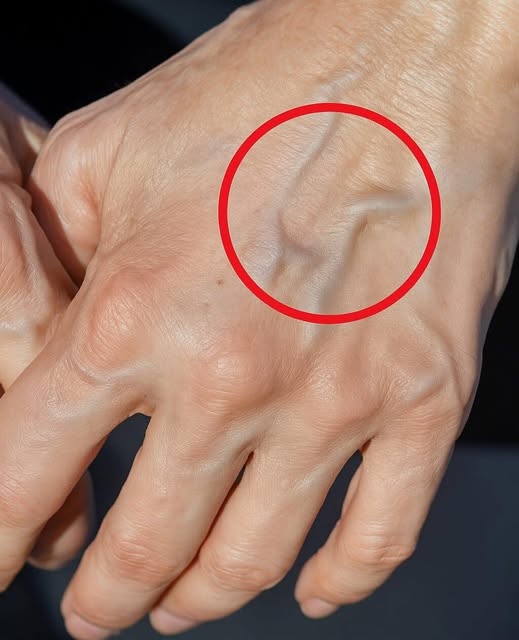
Noticing that the veins in your hands have become clearly visible can trigger a quiet sense of concern, especially when the change feels sudden or unexplained. Hands are among the most constantly used and exposed parts of the body, yet they are often overlooked when it comes to understanding health signals. Because the skin on the hands is thinner than on most other areas, underlying veins tend to appear more prominently there than elsewhere. This visibility does not automatically signal a problem. In most cases, it reflects how efficiently the body is moving blood, responding to temperature, or adapting to changes in lifestyle. Visible hand veins are rarely the result of a single factor. Instead, they are influenced by a complex interaction of body fat distribution, muscle tone, hydration levels, circulation patterns, genetics, environmental exposure, and even emotional or physical stress. Understanding this broader context helps replace anxiety with clarity, allowing you to recognize when visible veins are a normal part of healthy physiology and when they might warrant closer attention.
One of the most common and benign reasons veins stand out in the hands is a lower level of subcutaneous fat combined with active muscle engagement. Fat beneath the skin acts as a natural buffer, softening the appearance of veins. When that layer is thinner, veins naturally become easier to see. This is why people who are physically active, lean, or athletic often have more prominent veins in their hands, arms, and forearms. Regular movement and resistance training increase blood flow to working muscles, prompting veins to adapt by becoming more efficient at transporting oxygen-rich blood back to the heart. Over time, this adaptation can make veins appear slightly larger and closer to the skin’s surface. Even individuals who are not athletes may notice increased vein visibility after losing weight, improving their diet, or becoming more active. In these cases, visible veins are often a quiet indicator of improved cardiovascular efficiency rather than a sign of deterioration.
Temperature and circulation play a powerful role in how your veins look from moment to moment. When the body is exposed to heat—whether from warm weather, physical exertion, hot water, or emotional stress—blood vessels naturally widen in a process known as vasodilation. This response helps regulate body temperature and ensures that tissues receive adequate oxygen and nutrients. As veins expand, they become more visible beneath the skin, particularly in areas like the hands where tissue coverage is minimal. This effect is temporary and typically subsides as the body cools or returns to a resting state. Gravity can also influence vein appearance; holding your hands below heart level for extended periods can cause blood to pool, making veins look more pronounced. These changes are part of the body’s normal regulatory systems and are not signs of malfunction. They simply reflect a responsive, adaptable circulatory system doing its job efficiently.
Genetics quietly shapes the appearance of your veins long before lifestyle choices come into play. The depth at which veins sit, the thickness and translucency of the skin, and even vein diameter are largely inherited traits. Some people are naturally predisposed to visible veins because their veins lie closer to the surface or because their skin allows underlying structures to show through more easily. If prominent veins are common among close family members, there is a strong likelihood that what you are seeing is a normal genetic characteristic rather than a health concern. Skin tone and pigmentation also influence vein visibility, with lighter or thinner skin often making veins more noticeable. In these cases, no amount of lifestyle modification will completely eliminate vein visibility, because it is not a flaw or symptom—it is simply part of the body’s natural design.
Aging introduces another important layer to the story and is one of the most frequent reasons people notice changes in their hands over time. As the years pass, the skin gradually loses collagen, elasticity, and thickness, making it less capable of concealing veins beneath the surface. At the same time, the natural fat padding in the hands often diminishes, further exposing veins that were always there but less noticeable before. These changes can make veins appear larger or more pronounced even when circulation remains healthy. While aging is inevitable, habits such as staying well hydrated, protecting the skin from excessive sun exposure, eating a nutrient-rich diet, and maintaining gentle physical activity can support skin health and circulation. In this context, visible veins are not a sign of decline but a natural marker of time and adaptation.
There are situations, however, in which visible veins deserve closer attention, particularly when changes occur suddenly or are accompanied by symptoms. Pain, swelling, warmth, redness, skin discoloration, or veins that feel hard or tender may indicate an underlying vascular or circulatory issue. Conditions such as inflammation of the veins, blood clots, or venous insufficiency can alter vein appearance and sensation. While these conditions are more commonly associated with the legs, they can occasionally affect the hands and arms. The distinction lies not in visibility alone, but in how the veins behave and how the surrounding tissues feel. A sudden change paired with discomfort or functional impairment should prompt medical evaluation. Listening to these combined signals ensures that genuine concerns are addressed without unnecessary alarm.
Ultimately, visible veins in the hands are far more often a reflection of normal, healthy physiology than a warning sign of disease. They can signal efficient circulation, physical fitness, inherited traits, or the natural aging process—all of which are integral parts of a functioning body. The key to interpreting these signs lies in context, consistency, and accompanying symptoms. Bodies communicate through patterns rather than isolated details, and understanding those patterns allows for informed, balanced awareness. While it is wise to seek medical advice when changes are abrupt or painful, it is equally important not to view visible veins as something inherently wrong. In many cases, they are simply evidence of a body that is actively regulating itself, adapting to its environment, and performing its essential functions with quiet precision.