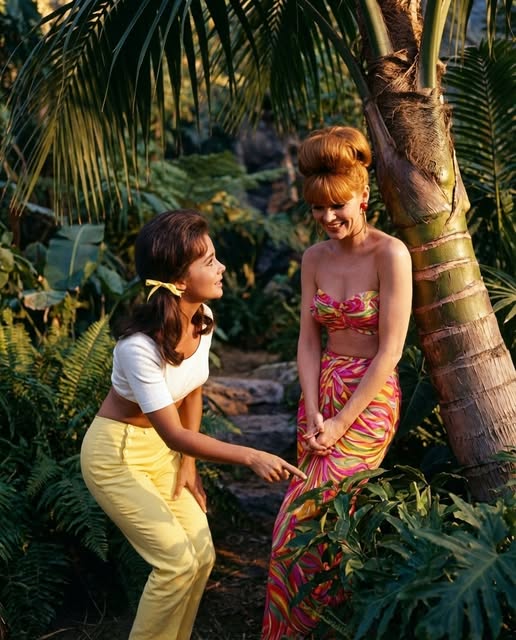
More than half a century after it first aired, Gilligan’s Island continues to charm audiences with its sunny tropical setting, unforgettable cast of characters, and the perfect blend of slapstick humor and endearing absurdity. Though the sitcom only ran for three seasons between 1964 and 1967, it quickly secured its place in television history, largely thanks to endless reruns that introduced new generations to the misadventures of seven unlikely survivors stranded on an uncharted island. Yet the show’s enduring fascination lies not just in the on-screen antics but also in the quirky behind-the-scenes stories, bloopers, and production realities that unfolded during filming. These imperfections, far from diminishing the magic, became part of the show’s charm and helped elevate it from simple sitcom to cultural phenomenon.
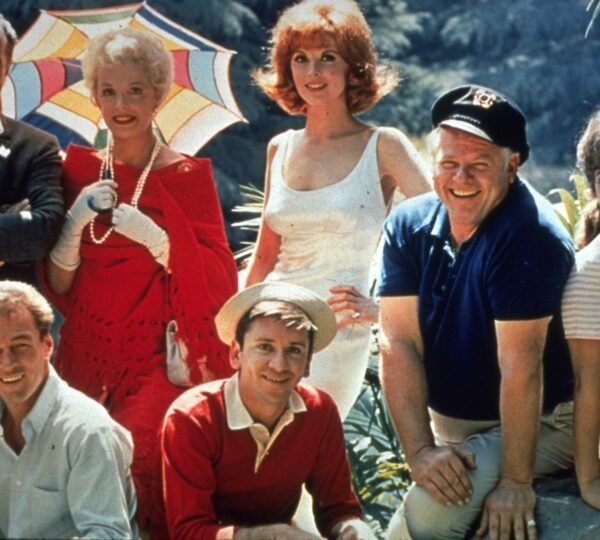
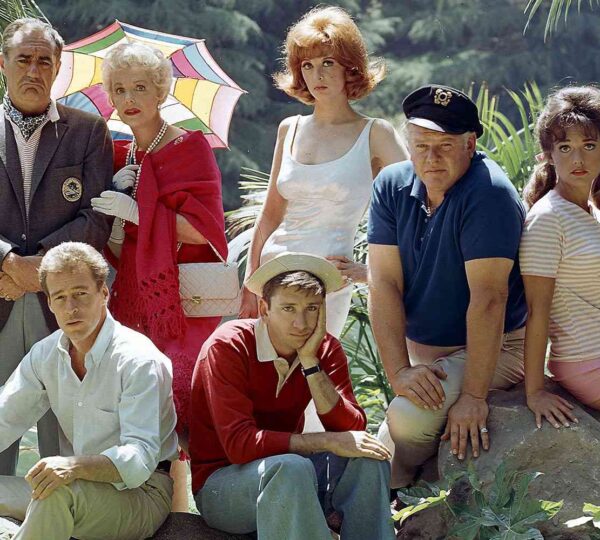
At its heart, Gilligan’s Island tells the eternally meme-worthy story of a boat trip gone hilariously wrong. What was intended as a “three-hour tour” transformed into endless comic misfortune when a storm left a diverse group of passengers stranded. The ensemble included the bumbling first mate Gilligan, the loyal Skipper, millionaire Thurston Howell III and his refined wife Lovey, glamorous movie star Ginger Grant, wholesome farm girl Mary Ann Summers, and the ingenious Professor Roy Hinkley. Together, they provided endless opportunities for misunderstandings, inventions, and humor. Yet casual viewers were often unaware that the series itself was rife with small production slip-ups that, ironically, became part of the show’s enduring appeal. One of the most famous mistakes occurs right in the opening credits, where stand-ins occasionally appear on the S.S. Minnow, causing the number of figures on deck to exceed the seven main characters. This minor continuity quirk has delighted eagle-eyed fans for decades, illustrating that even tiny imperfections can enhance viewer engagement.
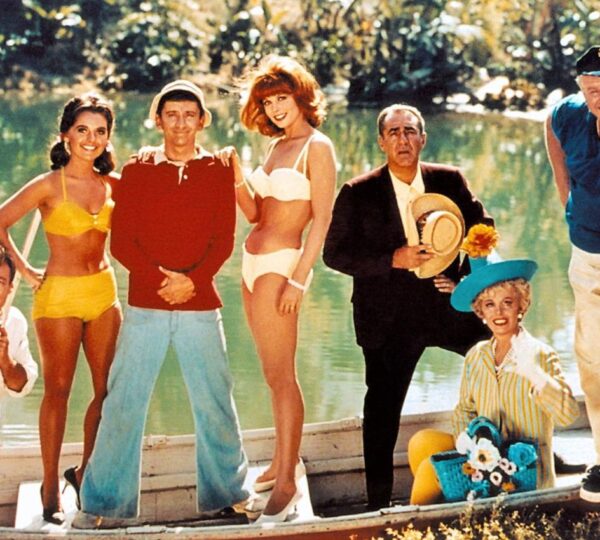
Other goofs appear throughout the episodes, from the placement of the S.S. Minnow in lagoon shots to collapsing huts and magically repaired boats. Wardrobe continuity was also inconsistent, with characters seen in multiple outfits despite supposedly being stranded for an extended period. Bob Denver’s wedding ring sometimes appeared on Gilligan’s finger during scenes, adding another layer of accidental amusement. While modern viewers with pause buttons might find such errors jarring, generations of fans have embraced them as part of the show’s charm. Spotting props, set inconsistencies, or continuity oddities became a shared pastime, adding an interactive layer to rewatching the series. The imperfections serve as a reminder that the show was produced on modest budgets, tight schedules, and with creative improvisation, all of which contributed to its distinctive character.
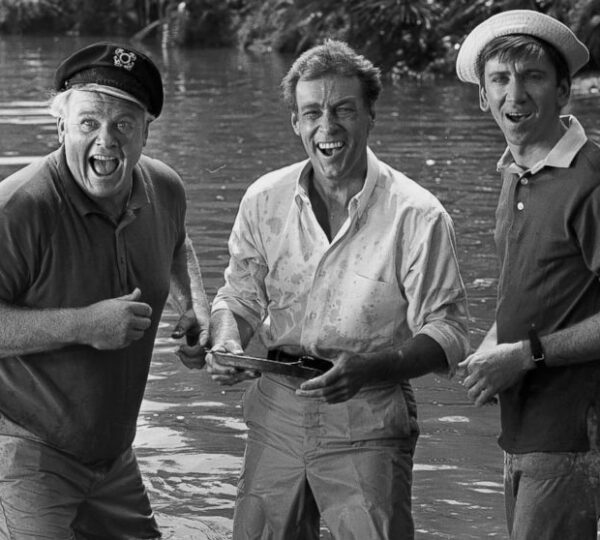
The production realities further explain these quirks. After a pilot filmed in Hawaii, most of the series was shot at CBS Studio Center in Studio City, Los Angeles. A backlot lagoon simulated the tropical paradise, though the water was shallow, brackish, and required frequent maintenance. The lagoon sat just a few hundred yards from the 101 Freeway, leading crews to pause filming until traffic noise subsided. Soundstage backdrops sometimes revealed modern buildings or other studio elements, creating amusing contradictions in the illusion of isolation. Interior scenes, such as the Professor’s lab or the castaways’ huts, were filmed indoors with careful lighting and set control, while tight camera angles and editing masked the limitations of the lagoon. These production solutions, born out of necessity, inadvertently contributed to the show’s quirky charm and memorability.

Historical context and subtle cultural commentary also enriched the series. The pilot’s final day of filming coincided with the assassination of President John F. Kennedy, a moment of national mourning quietly reflected in the opening sequence with an American flag at half-staff. Creator Sherwood Schwartz infused satire into the show, naming the ill-fated boat the S.S. Minnow after FCC chairman Newton Minow, who had famously criticized television as a “vast wasteland.” Such choices highlighted the show’s playful, tongue-in-cheek approach while embedding subtle cultural references. Behind the scenes, the cast became a close-knit ensemble, with actors lobbying for fair recognition, improvising comedic moments, and forming friendships that mirrored their on-screen camaraderie. Bob Denver, for example, successfully ensured that all seven main actors were credited in the theme song, reinforcing a sense of equality and collective contribution.
The series’ impact extended beyond its original airing. Syndication, reruns, and nostalgic fan communities cemented Gilligan’s Island in the public imagination. Fans delighted in the show’s quirks, generating theories about endlessly clean clothes, abundant food, or improbable repairs of the Minnow, fueling memes, fan fiction, and cultural references. Though only 98 episodes aired, the tropes established — the bumbling hero, the eccentric millionaire, and the brainy schemer — influenced subsequent sitcoms and cartoons. Reunions, TV movies, and retrospectives sustained interest across generations, keeping the castaways alive in collective memory. Even as some actors passed away or were replaced, affection for the characters and their escapades endured, strengthened by the community of fans who celebrated the series’ humor, heart, and behind-the-scenes anecdotes.
Today, with Tina Louise as the last surviving original cast member, Gilligan’s Island stands as a testament to the enduring power of imperfection. Its lasting appeal comes not only from tropical sunsets, slapstick mishaps, and comedic inventiveness but also from the warmth of human relationships, character quirks, and the playful imperfections of production. The series reminds audiences that television doesn’t need flawless execution to be treasured. With humor, heart, and memorable personalities, a “three-hour tour” can become a timeless classic, cherished by generations who continue to laugh at Gilligan’s misadventures, the Skipper’s exasperation, and the inventive antics of the Professor — imperfections and all.