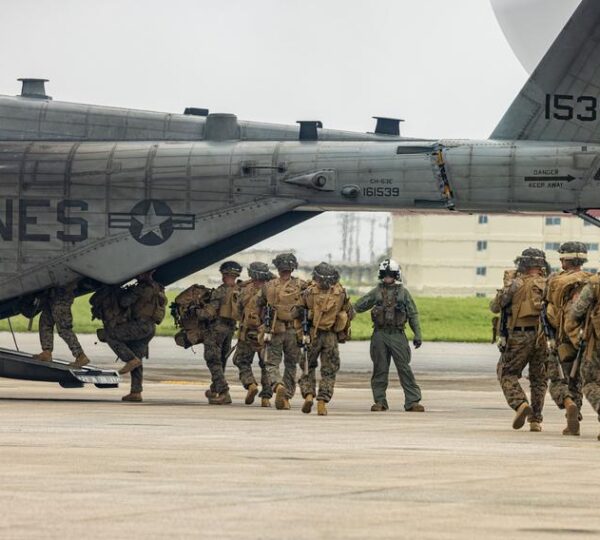
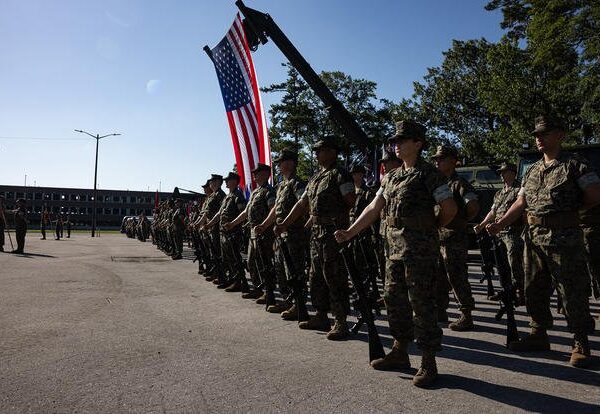
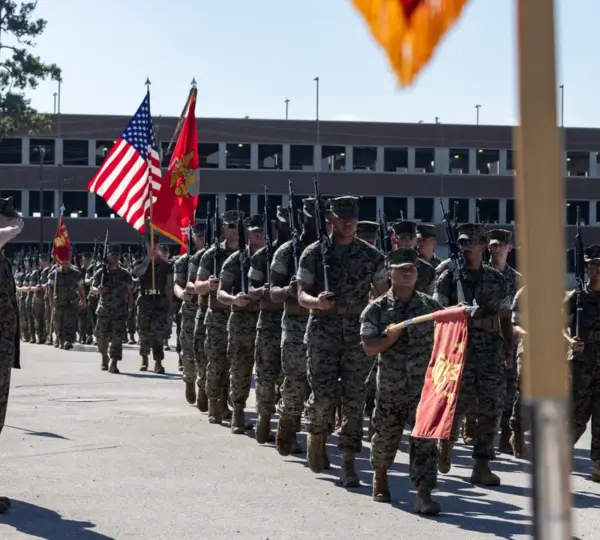
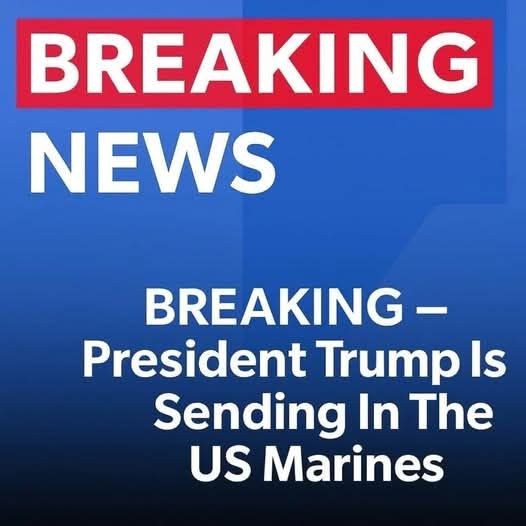
In July 2025, the U.S. military confirmed the deployment of approximately 200 Marines to Florida to support Immigration and Customs Enforcement (ICE) operations. Announced by U.S. Northern Command and authorized by Defense Secretary Pete Hegseth, the move was intended to relieve growing administrative and logistical pressures within ICE facilities amid increased migration and processing demands. The deployment has sparked considerable discussion regarding the role of active-duty military personnel on U.S. soil, the boundaries between support and enforcement, and broader debates on immigration policy and federal resource allocation. While the Marines are explicitly not performing law enforcement duties, their presence underscores the evolving relationship between the armed forces and domestic federal agencies.
The Marines assigned to Florida are restricted to non-enforcement roles, focusing on administrative and logistical support to help ICE manage operational backlogs. Personnel from Marine Wing Support Squadron 272, based at Marine Corps Air Station New River in North Carolina, are handling tasks such as vehicle maintenance, supply coordination, data processing, and case management assistance. Officials emphasize that these troops will not engage directly with individuals in ICE custody or perform detention or apprehension duties. By freeing ICE agents from these time-consuming logistical tasks, the deployment aims to improve overall operational efficiency while maintaining strict compliance with legal limits on military involvement in civilian enforcement.
This deployment traces back to a May 2025 request from the Department of Homeland Security for supplemental personnel to support ICE operations across multiple states. Following the request, the Pentagon authorized up to 700 active-duty and reserve personnel for administrative and logistical roles, including in Louisiana, Texas, and Florida. Title 10 of the U.S. Code provides the legal authority for such deployments, allowing military support for civilian agencies while prohibiting direct law enforcement activities unless authorized under other frameworks, such as the Insurrection Act. Officials have repeatedly emphasized that the mission strictly adheres to Title 10 support functions, preserving the traditional separation between military and civilian enforcement roles.
Florida was selected due to its geographic significance as a transportation hub and the growing strain on local immigration detention facilities. Rising caseloads and processing delays have prompted DHS to seek federal assistance, and the Marines’ assignment is intended to streamline operations and provide essential logistical support. While the locations of the facilities and the precise duration of the deployment have not been publicly confirmed, officials stress that the personnel are serving purely in supportive capacities. Similar assistance has been considered or implemented in states like Louisiana and Texas, illustrating a coordinated federal approach to managing operational pressures across multiple regions.
The deployment has generated divergent political and public responses. Supporters, including some administration officials and lawmakers, argue that the presence of Marines helps alleviate ICE backlogs, enables more effective enforcement by ICE personnel, and demonstrates interagency cooperation. Critics, including civil liberties organizations, express concerns about the optics of militarization, the potential chilling effect on immigrant communities, and the broader implications for military involvement in domestic affairs. Transparency, oversight, and public accountability have become key points of debate, reflecting the tension between operational efficiency and civil liberties protections.
Ultimately, the Florida Marine deployment exemplifies the complexities of using military resources to support domestic federal operations. While restricted to administrative and logistical roles, the assignment highlights ongoing questions about the appropriate boundaries between military and civilian functions, the limits of federal authority, and the balance between operational needs and public trust. As the situation develops, policymakers, advocacy groups, and legal experts continue to monitor its implications, which may influence future decisions regarding military support in domestic policy contexts. The episode underscores the challenges of navigating legal, political, and humanitarian considerations in an era of heightened immigration enforcement demands.