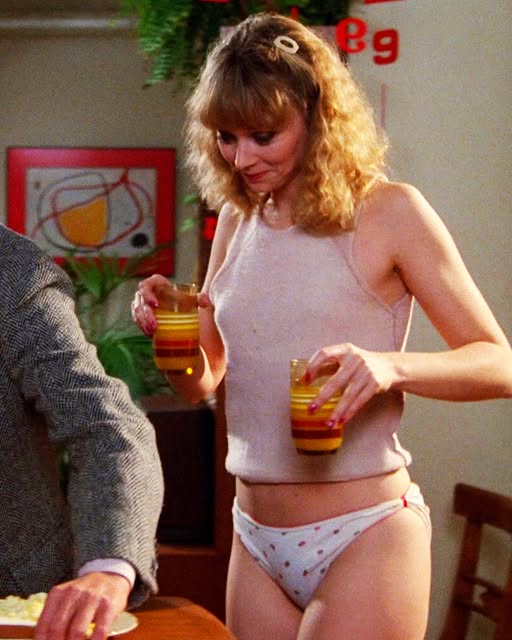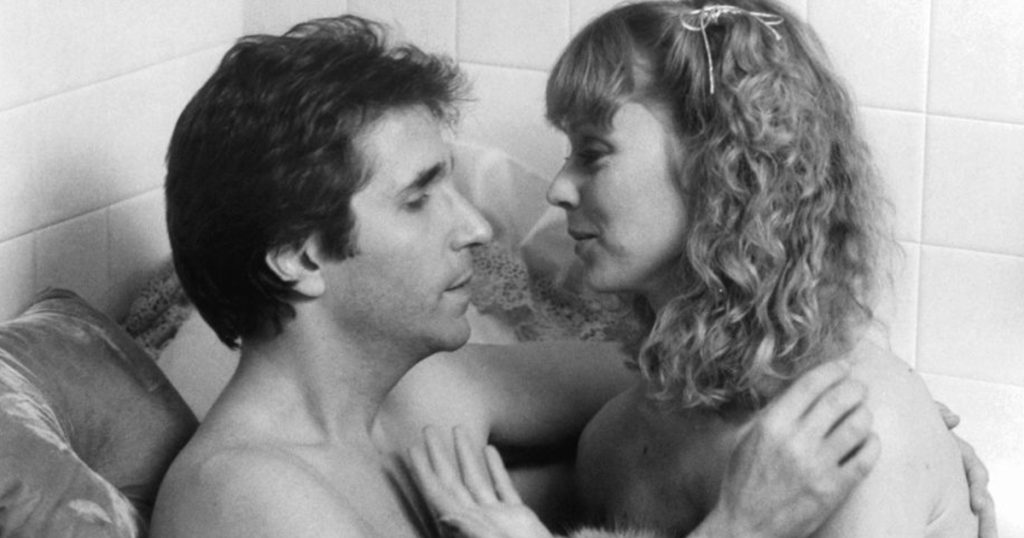
When Night Shift arrived in theaters in 1982, few could have predicted that a quirky comedy set largely inside a New York City morgue would grow into a beloved cult classic. At first glance, the premise sounded odd, even risky: two mismatched night workers stumble upon a bizarre business idea involving prostitutes, ambition, and moral gray areas. Yet what truly elevated the film was not its concept but its execution. Ron Howard’s confident directorial debut balanced irreverent humor with warmth, allowing audiences to connect with characters who could have easily become caricatures. Henry Winkler’s gentle, restrained performance as Chuck Lumley served as the emotional anchor, grounding the film with sincerity, while Shelley Long brought unexpected sweetness and humanity to a role that could have been played purely for laughs. Together, these elements transformed Night Shift from a simple comedy into a story about unlikely friendships, personal reinvention, and the chaos that can erupt when routine collides with imagination.
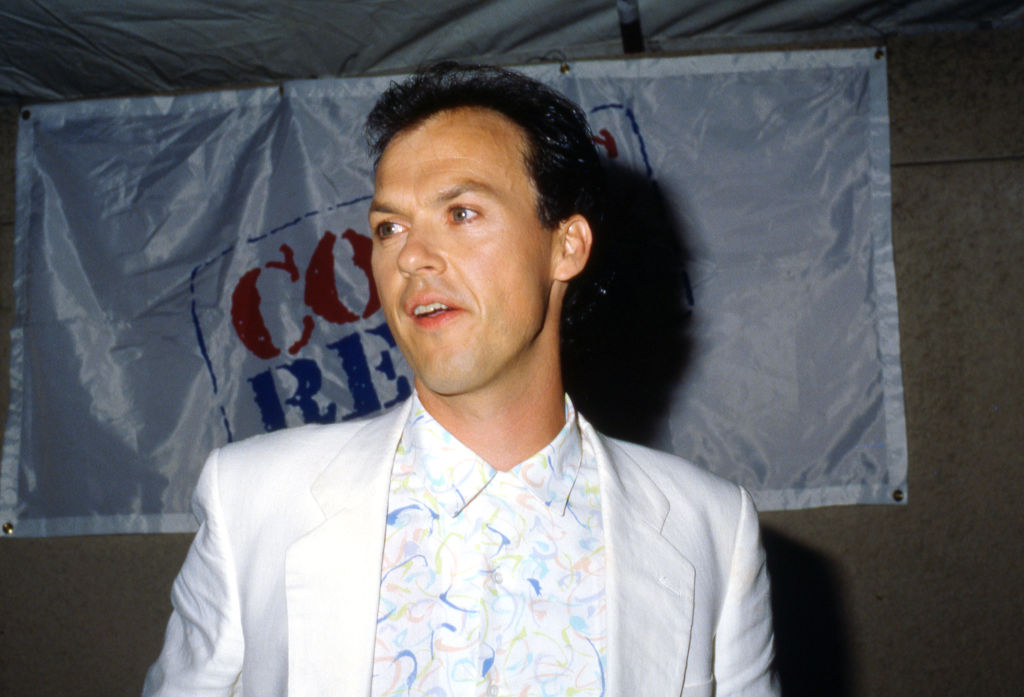
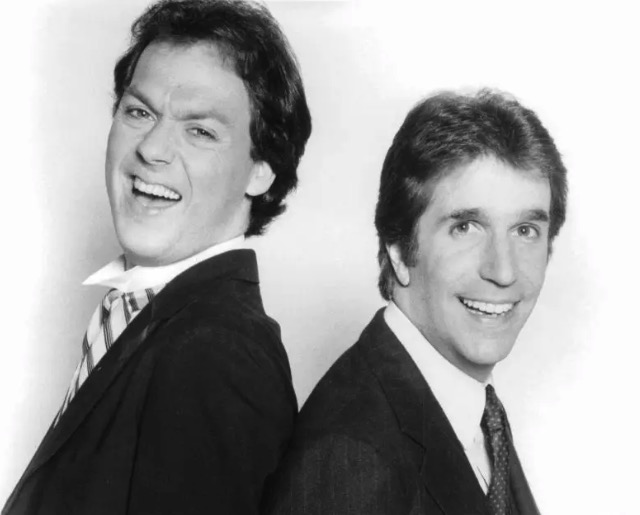
At the center of the film’s enduring appeal is Michael Keaton’s explosive breakout performance as Bill “Blaze” Blazejowski, a character who seems to operate on a completely different frequency from everyone around him. Keaton was largely unknown at the time, coming from television and minor film work, and he had to fight for the role through countless callbacks. That persistence paid off spectacularly. His fast-talking delivery, elastic facial expressions, and fearless physical comedy injected the movie with an unpredictable energy that critics and audiences immediately noticed. Keaton’s performance feels improvised even when it isn’t, giving the impression that anything could happen in any scene. This sense of spontaneity became one of the film’s defining traits, making Bill Blaze both hilarious and strangely endearing. Looking back, Night Shift captures Keaton at a rare moment—just before superstardom—when raw talent, hunger, and opportunity aligned perfectly.
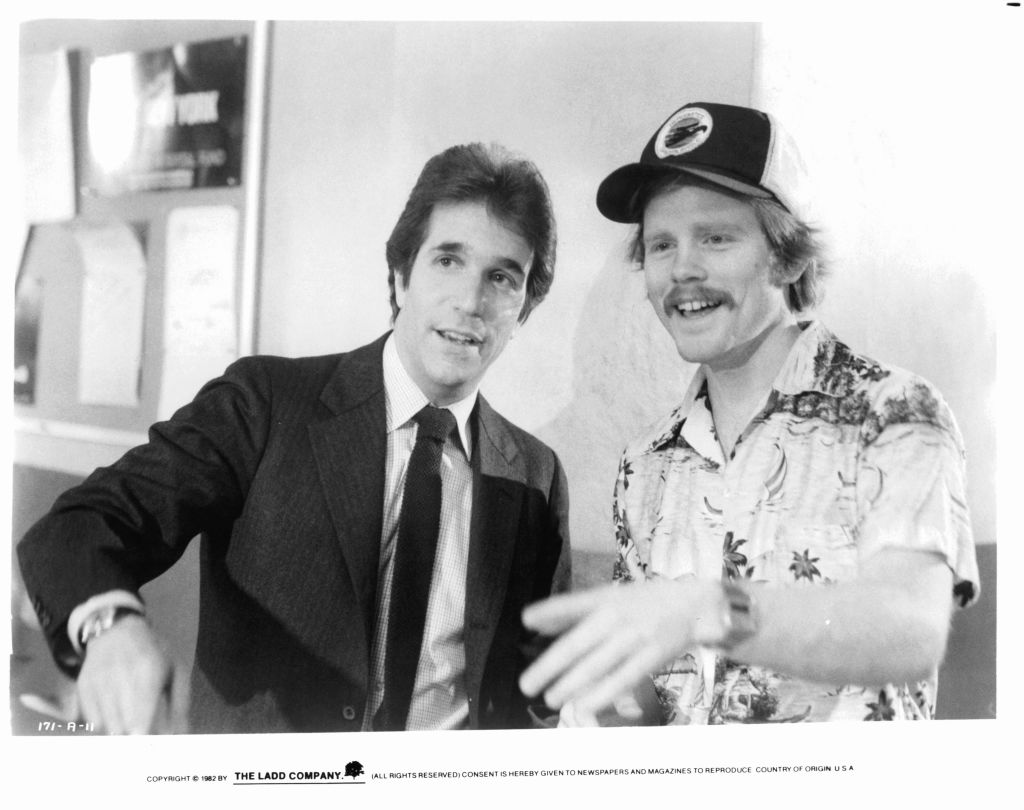
What makes Keaton’s rise even more remarkable is how much it was supported, rather than overshadowed, by Henry Winkler. At the time, Winkler was already a household name thanks to his iconic portrayal of Fonzie on Happy Days. He could easily have chosen the flashier role, yet he deliberately selected the quieter, more restrained character of Chuck to distance himself from his leather-jacketed tough-guy image. In doing so, Winkler created space for Keaton to shine. According to Ron Howard, Winkler actively encouraged Keaton to push jokes further, take risks, and steal scenes. This generosity not only strengthened the film but may have altered the course of Keaton’s entire career. Their initial discomfort with each other—Winkler reportedly unsure if he felt comfortable working with Keaton—ultimately mirrored their characters’ dynamic, adding an authentic tension that made their on-screen relationship feel real, awkward, and unexpectedly touching.
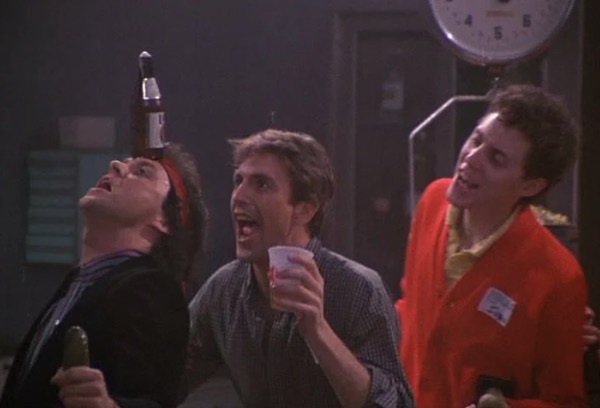
Behind the scenes, Night Shift is filled with fascinating near-misses and Hollywood “what ifs” that add to its legend. Before Keaton was cast, the role of Bill Blaze was offered to or considered for a long list of established comedic stars, including John Belushi, Dan Aykroyd, Bill Murray, John Candy, Kurt Russell, and Mickey Rourke. Each passed for different reasons, many believing the role was too small or unconventional. Ironically, that very unconventionality became its strength. The film also features early appearances by future stars such as Kevin Costner, who briefly appears as a silent frat boy, and Shannen Doherty, who delivers a single line in her first feature film role. Even Ron Howard himself couldn’t resist stepping in front of the camera, making cameos alongside his wife Cheryl and his brother Clint Howard. These small details, unnoticed by many at first, reward attentive viewers and deepen the sense that Night Shift was a creative playground where talent freely intersected.
Shelley Long’s performance as Belinda adds another crucial layer to the film’s success. Initially hesitant to play a prostitute, Long approached the role with research, thoughtfulness, and warmth, resulting in a character that defied stereotypes. Critics affectionately described her as “the happiest, most wholesome hooker” ever portrayed on screen, a description that speaks to how carefully the role was handled. Belinda is not treated as a punchline but as a person with agency, kindness, and vulnerability. Her chemistry with Winkler’s Chuck is gentle and sincere, providing the emotional heart of the story. Iconic moments, such as the famous “egg scene” in the kitchen—complete with continuity errors that fans still laugh about—have become part of the film’s charm. These imperfections only add to its authenticity, reminding viewers that Night Shift thrives not on polish but on personality.
More than four decades later, Night Shift endures because it represents a rare convergence of creative risk, generosity, and genuine chemistry. It launched Michael Keaton into stardom, allowed Henry Winkler to redefine himself, showcased Ron Howard’s instincts as a director, and gave Shelley Long one of her most memorable early roles. The film’s soundtrack, including the first appearance of “That’s What Friends Are For,” further cemented its cultural footprint. At its core, Night Shift is not just a comedy about a strange business idea in a morgue; it is a story about people daring to break free from routine, trusting unlikely partners, and discovering that friendship and ambition can emerge from the most unexpected places. That spirit is what keeps audiences returning, still laughing, still noticing new details, and still celebrating the strange magic that happens when the night shift comes alive.