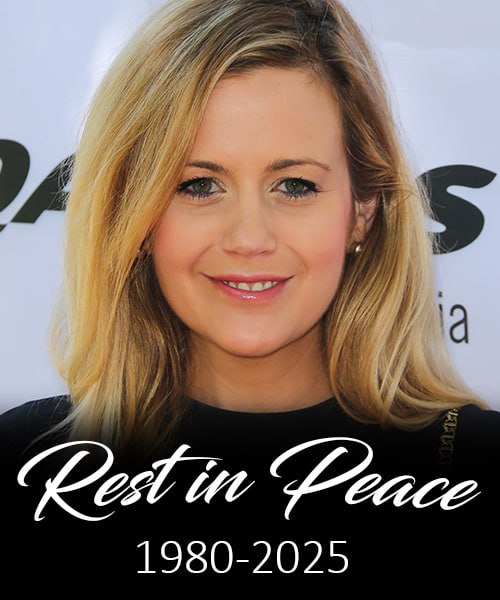
The entertainment world has been left in a state of quiet shock and deep reflection following the sudden passing of Rachael Carpani, an actress whose warmth, authenticity, and emotional intelligence resonated far beyond the screen. News of her death at the age of 45 spread quickly, prompting an outpouring of grief from fans across Australia, the United States, and beyond. While celebrity culture often moves rapidly from one headline to the next, Carpani’s passing has inspired a more lingering response, marked by shared memories, personal tributes, and a collective sense of loss that speaks to the depth of her connection with audiences. Her career was not defined by spectacle or controversy, but by a steady devotion to craft and a presence that felt genuine, approachable, and deeply human. In a world increasingly saturated with fleeting fame, Rachael Carpani stood out precisely because she never seemed to chase it, allowing her work to speak quietly but powerfully for itself.
Born in Sydney, Australia, Rachael Carpani entered the entertainment industry with a determination that was balanced by humility. She trained seriously, understanding early on that longevity in acting required discipline as much as talent. Her breakthrough came with the role of Jodi Fountain on the long-running Australian drama McLeod’s Daughters, a series that would become a cultural touchstone for millions of viewers. As Jodi, Carpani portrayed vulnerability, resilience, and emotional growth with a sensitivity that allowed audiences to grow alongside the character. Over nearly a decade on the show, she became a familiar and comforting presence in households, particularly for viewers who found reflections of their own struggles and aspirations in the lives depicted on screen. Her performance was never overstated; instead, it was rooted in subtlety and sincerity, qualities that would define her career long after she left the series.
As her popularity grew in Australia, Carpani made the bold decision to expand her career internationally, relocating to the United States to pursue new opportunities. Transitioning between entertainment industries is notoriously challenging, yet she approached the move with the same quiet perseverance that marked her earlier work. She appeared in American television projects such as NCIS: Los Angeles, Against the Wall, and Triangle, demonstrating a versatility that allowed her to move comfortably between accents, genres, and storytelling styles. While these roles may not have brought the same level of fame as her Australian work, they showcased her adaptability and commitment to meaningful performances. Colleagues frequently noted her professionalism on set, describing her as prepared, thoughtful, and deeply respectful of both cast and crew. She was the kind of actor who elevated scenes through attentive listening rather than dramatic dominance.
Beyond her on-screen accomplishments, Rachael Carpani was admired for her personal integrity and quiet openness, particularly in relation to her health. Though she kept much of her private life away from public scrutiny, she had spoken candidly at times about ongoing health challenges, encouraging others to pay attention to their bodies and seek care when something felt wrong. This honesty resonated with fans who saw in her a figure of strength that did not rely on invulnerability. Her family later confirmed that she passed away peacefully after a long battle with chronic illness, a revelation that added a deeper layer of understanding to her journey. Rather than framing her life through the lens of illness, many admirers have instead emphasized her resilience and grace, noting how she continued to work, connect, and inspire despite personal challenges that remained largely unseen.
In the days following the announcement of her death, tributes flooded social media and news outlets. Former co-stars from McLeod’s Daughters shared heartfelt messages, recalling not only her talent but her kindness, humor, and sense of camaraderie on set. Fans posted stories of how her performances helped them through difficult moments, from adolescence to adulthood, illustrating the powerful role television can play in shaping emotional memory. What stood out in these remembrances was the consistency of tone: Carpani was remembered as gentle, generous, and deeply sincere. In an industry often associated with ego and competition, she seemed to leave behind a legacy defined instead by collaboration and care. That reputation, built quietly over years of steady work, may be one of her most enduring achievements.
Rachael Carpani’s legacy ultimately lies not only in the roles she played, but in the emotional imprint she left on viewers and colleagues alike. Her career serves as a reminder that impact does not always correlate with fame, and that meaningful artistry often unfolds without fanfare. As the entertainment community continues to reflect on her life, her work remains available for rediscovery, offering comfort and connection to those who return to it. Though her passing feels sudden and unfair, the body of work she leaves behind ensures that her presence endures, woven into stories that will continue to be watched, remembered, and felt. In that sense, Rachael Carpani remains very much alive in the shared cultural memory she helped create, a testament to a life lived with quiet strength and lasting purpose.