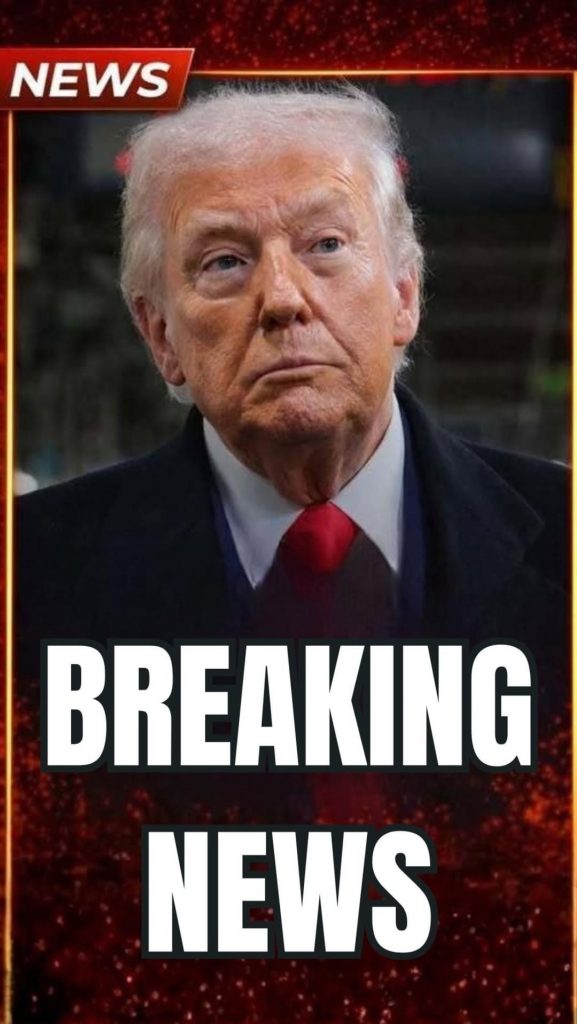
Donald Trump’s second term has been marked by an unusually busy and highly visible agenda, drawing attention from supporters, critics, and international observers alike. Since officially returning to the White House, Trump has pursued aggressive policies on immigration, implemented a range of trade initiatives, and made several high-profile moves in foreign relations. The administration has also overseen structural updates and symbolic changes within the White House itself, reflecting both an active approach to governance and a desire to leave a tangible imprint on the institution. Trump consistently asserts that these actions strengthen the country, reduce the risk of global conflict, and promote American interests abroad. Yet, despite this flurry of activity, recent polling indicates that these efforts have had limited impact on the public perception of his leadership, suggesting that visibility and action alone do not automatically translate into widespread approval.
A January 2026 AP‑NORC poll highlights the enduring challenges facing Trump in terms of public support. The survey found that roughly 40 percent of U.S. adults approve of the way Trump is performing his duties as president, while approximately 59 percent express disapproval. This figure has remained relatively stable since March 2025, just two months into his second term, signaling that Trump has yet to significantly sway public opinion. Despite efforts to assert control over major policy areas, the polling suggests that the majority of Americans continue to hold reservations about his leadership style, decision-making, and effectiveness. The persistence of these numbers implies that a large portion of the electorate remains unconvinced, even amid frequent media coverage and high-profile policy announcements.
Public disapproval is consistent across several critical domains of governance. When it comes to economic performance, only around 37 percent of respondents express confidence in Trump’s handling of the U.S. economy, leaving a sizable 62 percent in the disapproval category. Immigration policy mirrors a similar trend, with 38 percent approval and 61 percent disapproval, indicating widespread skepticism about the administration’s approach. Foreign affairs and trade policies are likewise viewed critically, with approval hovering in the high-30 percent range. Taken together, these figures suggest that the administration’s policy initiatives have not significantly resonated with the public at large, despite the frequent emphasis on economic growth, immigration reform, and global diplomacy in Trump’s messaging.
These approval ratings reflect a broader political reality: public perception is complex and heavily influenced by partisanship, media narratives, and individual priorities. While Trump maintains high approval levels among Republican voters, independents and most Democrats consistently express dissatisfaction, underscoring the polarization that defines much of the current political landscape. Additional surveys corroborate these trends, showing overall job approval in the mid-30 percent range and disapproval surpassing support by significant margins. This partisan divide has implications beyond numbers, shaping both media coverage and voter engagement. It also reinforces the idea that policy success in the eyes of one constituency may simultaneously be viewed as failure by another, creating a challenging environment for any administration seeking to project national consensus.
Politically, the implications of these polling trends are significant. Sustained disapproval across multiple policy areas suggests that Trump’s actions have not yet managed to broaden his appeal beyond a dedicated core of supporters. As midterm elections approach and preparations for future presidential contests continue, these figures could influence campaign strategies, voter mobilization, and legislative priorities. Lawmakers and party leaders may interpret the poll data as a signal of potential vulnerability, prompting reassessment of messaging, outreach, and coalition-building. For Trump, understanding these trends could be crucial for adjusting political tactics and framing his second-term accomplishments in ways that resonate more effectively with undecided or critical constituencies.
Ultimately, Americans’ opinions on Trump’s second term offer a complex portrait of leadership perception, highlighting the persistence of partisan divides, the challenges of maintaining approval amid controversy, and the importance of translating policy action into tangible public confidence. While the president’s supporters continue to champion his agenda, the broader electorate remains skeptical, emphasizing the gap between administration claims and public sentiment. These polling insights provide a valuable lens for understanding the dynamics of modern U.S. politics, the interaction between policy and perception, and the ways in which public opinion may shape both current governance and the trajectory of future political contests. Trump’s second term, therefore, is a study not only in policy ambition but in the limits of influence, public trust, and the complex calculus of leadership in a polarized society.