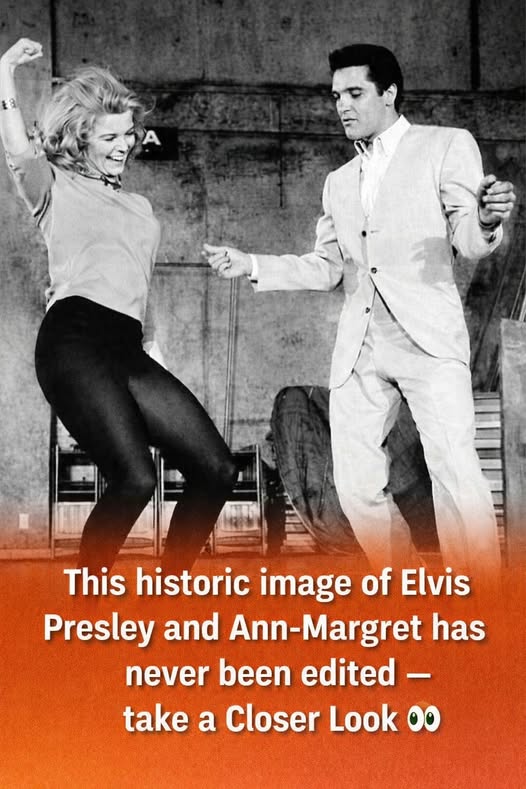
Elvis Presley’s 1964 film Viva Las Vegas remains a cornerstone of classic American cinema, not only for its high-energy musical numbers but also for the dynamic chemistry between its stars, Elvis Presley and Ann-Margret. Playing Lucky Jackson, a charismatic race car driver chasing glory in Las Vegas, Elvis exuded charm, athleticism, and a natural screen presence. Opposite him, Ann-Margret portrayed Rusty, a vivacious dancer whose energy and vivacity matched Elvis’s charisma, creating on-screen magic that still captivates audiences decades later. While the film received mixed critical reviews upon release, it emerged as Elvis’s highest-grossing movie, earning more than Blue Hawaii by a reported $450, and solidified Ann-Margret’s status as a leading star. Beyond the polished musical sequences, there were countless behind-the-scenes moments, mistakes, and unscripted gaffes that reveal the human side of filmmaking and the genuine rapport between its leads.
The on-set environment contributed to both the performances and the enduring lore surrounding the film. At just 22 years old, Ann-Margret commanded attention not only with her talent but also with her magnetic screen presence, which led some theaters to bill her above Elvis, a rare occurrence at the time. While this generated criticism from certain quarters focused on her physical appearance, the combination of her skill, vivacity, and dedication to dance and song sequences ensured that her star power was undeniable. Elvis himself reportedly experienced moments of playful frustration when camera angles favored Ann-Margret, highlighting the subtle tensions that often accompany collaborative creativity. Despite this, both performers were professionals who supported each other, blending on-screen chemistry with genuine off-screen friendship, even as romantic undercurrents occasionally complicated their interactions. Ann-Margret later revealed that Elvis had considered marrying her, though his relationship with Priscilla remained intact, illustrating the personal complexities behind the film’s production.
The movie captures a Las Vegas that no longer exists, featuring landmarks and locales that provide a nostalgic snapshot of the city during the early 1960s. From glimmering casinos to bustling streets, the film preserves visual records of a vibrant, pre-modern Vegas, blending entertainment spectacle with authentic regional character. These settings were not mere backdrops; they informed performances and injected a sense of realism into the musical numbers. Filming was spread across multiple locations in and around Las Vegas, allowing the energy of the city to infuse each scene organically. These choices contributed to the film’s enduring charm, allowing audiences to experience an era of Vegas both glamorous and accessible, while providing subtle context for the characters’ stories and aspirations. Today, fans and historians alike can appreciate the cultural and geographic authenticity that Viva Las Vegas preserves, long after many of those locations have disappeared.
Behind the camera, the production experienced its share of humorous mishaps and spontaneous moments that rarely appear in the final cut but add color to the film’s legacy. Bloopers included missteps during dance sequences, missed lines, and unintended interactions between background actors. Some of these instances were captured by observant crew members and later recounted in interviews, giving audiences a glimpse of the collaborative and sometimes chaotic nature of filmmaking. Fun facts also abound: for example, a background dancer in one scene went on to receive Oscar nominations later in their career, and Glen Campbell contributed a surprise appearance on the soundtrack, adding a layer of musical prestige that complemented Elvis’s performance. These details emphasize that beyond the iconic duets and set pieces, Viva Las Vegas was the product of countless small decisions, improvisations, and creative sparks that combined to create a timeless cinematic experience.
The film’s musical numbers remain its most enduring feature, particularly the iconic “Viva Las Vegas” dance sequence, where both Elvis and Ann-Margret’s performance energy reaches its peak. The choreography, timing, and musical precision required significant effort, yet the result appears effortless on screen, demonstrating the skill and dedication of the performers and production team. Other sequences, such as their duet “The Lady Loves Me,” showcase the playful banter and emotional resonance that underscore the characters’ growing affection, blending humor, tension, and romantic chemistry. These moments continue to resonate with audiences because they capture the spontaneity, joy, and talent of the performers, offering a glimpse into why the film has endured as a cultural touchstone. The musical brilliance of Viva Las Vegas transcends its narrative, highlighting the artistry involved in creating performances that remain entertaining, inspiring, and emotionally compelling decades later.
Ultimately, Viva Las Vegas is more than a simple musical; it is a testament to the era, the city, and the stars who brought it to life. The film’s enduring popularity rests on a combination of high-energy performances, authentic depiction of early 1960s Las Vegas, behind-the-scenes stories, and the electric dynamic between Elvis Presley and Ann-Margret. Off-screen relationships, unintentional bloopers, and production anecdotes add layers of human interest that deepen appreciation for the final product. For fans, historians, and casual viewers alike, the movie offers a multifaceted experience: entertainment, nostalgia, and insight into the artistry, humor, and occasional tension of classic Hollywood filmmaking. In revisiting Viva Las Vegas, audiences are reminded not only of Elvis’s enduring star power but also of the collaborative efforts and spontaneous moments that make cinema a living, breathing reflection of talent, ambition, and creative energy. Its legacy endures, celebrating performance, place, and personality in equal measure, and ensuring that the laughter, music, and magic continue to captivate generations.