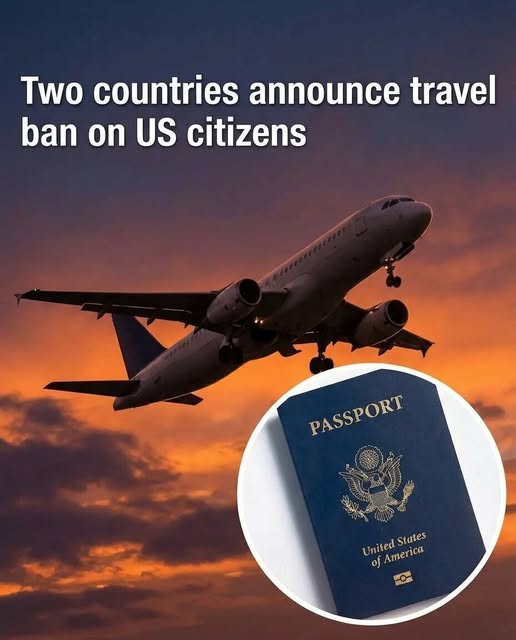
Recent developments in West Africa have captured international attention as Mali and Burkina Faso announced new entry restrictions for American citizens, signaling a significant evolution in regional diplomacy. Framed by officials as reciprocal responses to U.S. policies, these measures reflect a growing assertion of sovereignty and highlight the determination of Sahelian states to challenge historical imbalances in international relations. Governments in the region are increasingly emphasizing the principle of reciprocity, advocating that cross-border movement and visa protocols should be grounded in fairness and mutual respect rather than unilateral compliance. By asserting their rights in this way, these nations seek to reinforce their autonomy, ensure equitable treatment, and project a more assertive stance in global policy arenas.
Although official statements emphasize administrative elements such as visa issuance procedures, border protocols, and policy harmonization, the real-world implications are felt far beyond governmental offices. Families experience abrupt separations, educational programs face interruptions or cancellations, and humanitarian initiatives—often critical to underserved communities—encounter logistical challenges that impede essential services. These impacts underscore the human dimension of international policy, illustrating how high-level diplomatic decisions reverberate through daily life, affecting individuals who have no influence over international maneuvering. Observers note that such disruptions magnify the social and economic consequences of policy changes, demonstrating that mobility is not merely a bureaucratic convenience but a vital link in global connectivity and the well-being of communities.
From the perspective of Washington, these travel regulations are often presented as administrative measures designed to enhance security, ensure regulatory compliance, and mitigate risk for citizens abroad. U.S. officials maintain that such policies are consistent with national priorities and protective mandates. Conversely, regional leaders in Mali, Burkina Faso, and neighboring Sahelian states interpret these measures as inequitable, reinforcing long-standing grievances about unequal treatment under international norms. By restricting U.S. entry, these nations assert that their citizens deserve reciprocal consideration, framing the discussion around fairness and mutual respect rather than confrontation. This dynamic highlights the broader tension between global power structures and the assertion of local sovereignty in a world where historical hierarchies are increasingly questioned.
The current restrictions follow precedent set by Niger and Chad, which previously suspended or permanently restricted American travel access. Collectively, these coordinated regional measures illustrate a strategic evolution in Sahelian diplomacy, demonstrating a willingness to employ policy tools to assert leverage and promote dialogue. Analysts suggest that these actions are not purely retaliatory; they serve as instruments to establish parity in treatment, encourage negotiation, and promote more equitable frameworks in international relations. By using visa and entry policies strategically, these states showcase how historically marginalized regions can exercise influence over more powerful actors in tangible ways, reshaping conventional assumptions about authority and negotiation in global mobility.
For U.S. travelers, these policy shifts carry immediate and tangible consequences: stricter entry requirements, potential delays, and heightened uncertainty when planning personal, educational, or humanitarian trips. The situation underscores the importance of staying informed about evolving regulations, engaging proactively with consular services, and paying close attention to the specific policies of each country. Families with cross-border connections, students participating in international programs, and NGOs executing aid operations must adapt quickly to ensure continuity, safety, and regulatory compliance, navigating an environment where policy changes can occur with minimal notice. These developments emphasize that diplomacy, travel, and human connection are deeply intertwined, with policy decisions directly influencing personal experiences, community cohesion, and operational effectiveness in the region.
Looking to the future, the West African context highlights the nuanced dynamics of modern international relations, in which power is increasingly negotiated through both formal and informal channels. Travel restrictions as a diplomatic tool reflect broader global trends emphasizing reciprocity, accountability, and the assertion of national interests by emerging states. While these policies present immediate challenges for American citizens and institutions, they also signify a transformation in global governance, where traditional hierarchies are questioned and sovereignty is actively asserted. For policymakers, travelers, and observers worldwide, these shifts underscore the necessity of strategic dialogue, cultural understanding, and cooperative frameworks to ensure that international mobility remains balanced, equitable, and responsive to the needs and rights of all participants in the global community.