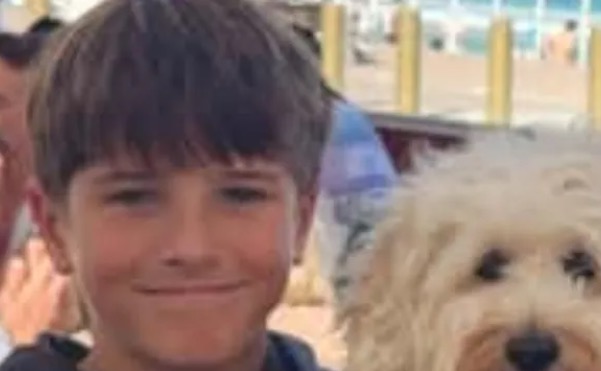
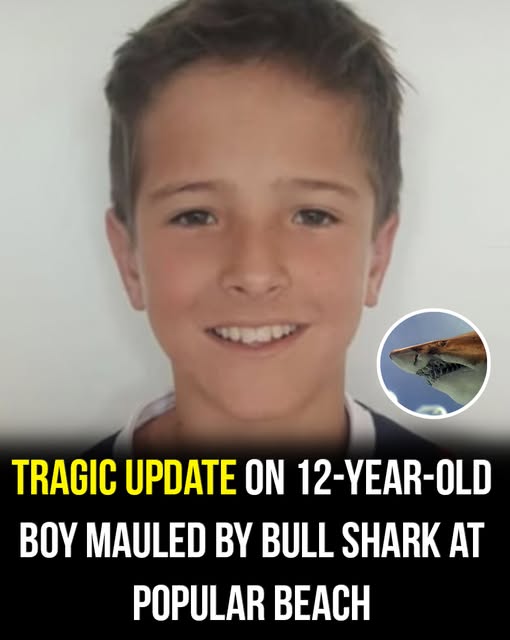
A quiet stretch of Sydney Harbour, long considered a place of calm waters and family-friendly recreation, was transformed into the scene of an unimaginable tragedy when 12-year-old Nico Antic was attacked by a shark while swimming with friends near a popular rock-jumping area close to Shark Beach in Vaucluse. The incident unfolded with terrifying speed. One moment, Nico and his friends were enjoying a summer afternoon in the water; the next, chaos erupted as the boy was bitten, suffering catastrophic injuries that left him unconscious. In a display of courage and instinct, one friend leapt into the water to help while two others dragged Nico onto a nearby rock platform, desperately trying to save his life. Emergency services moved swiftly, transferring him to a police marine vessel where CPR was performed and tourniquets were applied to his severely injured legs before he was rushed to Sydney Children’s Hospital. Doctors placed Nico in an induced coma and began emergency surgery, administering multiple blood transfusions in a race against time. He remains in critical condition, with conflicting reports reflecting the agonizing uncertainty faced by his family and community, a limbo that underscores how suddenly joy can give way to fear along even the most familiar shorelines.
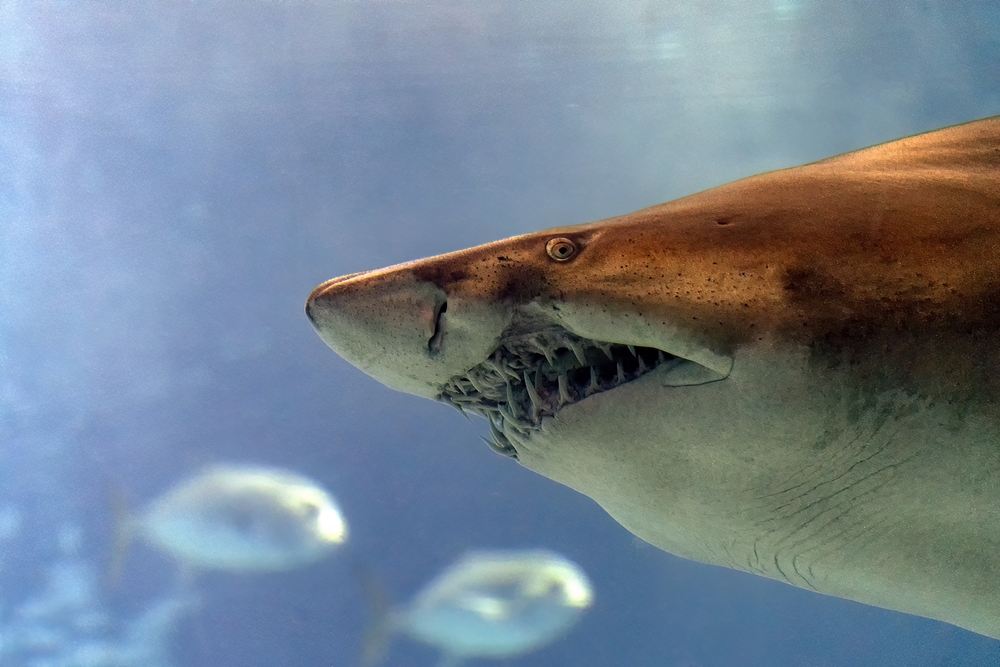
As details emerged, the weight of the story deepened. Nico was not just another child enjoying a swim; he was a Nipper with the North Bondi Surf Life Saving Club, a role that symbolized his love for the ocean and his early commitment to beach safety. That identity has resonated painfully with surf lifesavers and coastal families across New South Wales, who understand both the beauty and the risks of the sea. The shark involved is believed to have been a bull shark, a species known to frequent estuarine and harbor waters, particularly during warmer months. While experts caution against speculation in the immediate aftermath of such incidents, the location and circumstances have intensified public concern about changing patterns of shark behavior closer to urban beaches. For many parents, the notion that a child so closely connected to surf culture could be struck down in a place considered relatively safe has been deeply unsettling. It has prompted difficult conversations about how communities balance their cherished coastal lifestyles with evolving environmental realities, especially as sightings and encounters appear to be increasing.
In the days following the attack, a fundraiser organized by a close family friend became a focal point for collective grief and support. Victor Piñeiro, who described himself as a close friend of the Antic family, shared a somber update that spoke of a “heartbreaking event” and referenced the “worst possible outcome,” words that rippled through social media and news outlets with devastating force. Though reports have varied, with some outlets stating Nico remains alive on life support and others emphasizing the severity of his condition, the fundraiser’s message captured the emotional truth of the moment: a family facing unthinkable loss, surrounded by a community desperate to help. Within a short time, donations surged past $65,000, a testament to the compassion of strangers and the tight-knit nature of Australia’s coastal communities. Messages accompanying contributions spoke of prayers, memories of childhood summers, and a shared sense that no family should face such a burden alone. The funds are intended to assist with medical expenses and related arrangements, easing at least some of the financial strain as the Antic family navigates a period defined by shock and sorrow.
This devastating incident did not occur in isolation. It came amid a troubling sequence of shark encounters around Sydney that has heightened anxiety along the coast. Just kilometers away, an 11-year-old boy narrowly escaped death after a large shark bit into his surfboard, tearing away a chunk and throwing him into the water. Miraculously, he survived with only minor injuries, thanks in part to the presence of his father, who was nearby and able to help immediately. Steven Pearce, chief executive of Surf Life Saving New South Wales, described the boy as “extremely lucky,” a phrase that has echoed ominously as the region grapples with a sense that luck may be playing an outsized role in recent outcomes. Later that same day, a man in his 20s was attacked while swimming at Manly Beach and was rushed to Royal North Shore Hospital in critical condition. Authorities responded by closing all Northern Beaches until further notice, a sweeping measure reflecting both caution and the seriousness with which the situation is being treated. Pieces of damaged equipment have been sent to fisheries experts to help identify the species involved, as officials work to understand whether these incidents are connected or part of a broader pattern.
The question of why such encounters appear to be occurring with greater frequency has sparked intense debate among scientists, policymakers, and the public. Marine experts point to a complex mix of factors, including rising water temperatures, changes in prey distribution, and increased human activity in coastal waters. Bull sharks, in particular, are known for their ability to tolerate freshwater and for their tendency to venture into harbors and rivers, bringing them into closer proximity with swimmers. While shark attacks remain statistically rare, their impact is disproportionately profound, leaving lasting psychological scars on communities and reshaping how people perceive the ocean. Calls for enhanced monitoring, improved warning systems, and expanded research have grown louder, alongside reminders from conservationists that sharks play a vital role in marine ecosystems. Navigating these discussions requires care, balancing the urgent need for public safety with the recognition that fear-driven responses can have unintended environmental consequences.
At the heart of this story, however, is not policy or probability, but a child, a family, and a community bound together by grief and hope. Vigils, messages of support, and quiet moments of reflection have spread across Sydney’s beaches, where flags fly at half-mast and conversations are hushed. For parents watching their children play near the water, the tragedy has introduced a new undercurrent of vigilance, a reminder of how fragile safety can feel. For surf lifesavers, it has reinforced both the risks inherent in their mission and the deep sense of responsibility they carry. And for the Antic family, surrounded by an outpouring of love yet facing days defined by uncertainty, the world has narrowed to hospital rooms and whispered prayers. As authorities investigate, beaches remain closed, and the community waits for clarity, the story stands as a sobering testament to the power of nature, the strength of human compassion, and the enduring need to protect one another in the places we hold most dear.