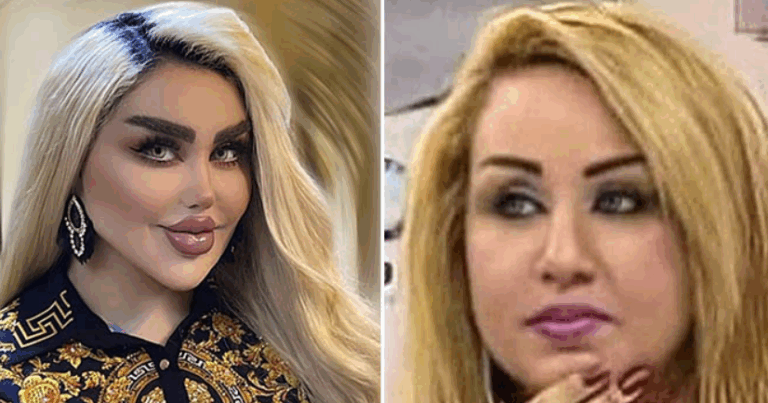
Dalia Naeem, a 29-year-old actress and host from Baghdad, recently unveiled a striking new appearance after reportedly undergoing 43 cosmetic procedures. Her dramatic transformation, featuring golden hair and doll-like features, quickly earned her the nickname “Iraqi Barbie.” The reveal came in a viral video alongside her makeup artist, who praised the look, comparing it to a Barbie doll.
The video spread rapidly across social media, attracting global attention and sparking discussion about cosmetic enhancements and the pursuit of personal aesthetics. Many viewers commented on the meticulous styling, hair, and makeup, highlighting how intentional choices can shape public perception. Her transformation illustrates how far some individuals go to achieve a precise look and how personal decisions intersect with audience reactions.
Reactions to Naeem’s transformation were varied and often polarized. Some praised her commitment to self-expression, while others questioned the necessity and safety of undergoing so many procedures. The discussion broadened to include the psychological and social implications of cosmetic enhancements, examining how personal goals and societal pressures influence decisions about appearance.
The story also raised broader questions about beauty culture in the modern age. It highlighted how social media amplifies visibility and public scrutiny, often creating intense debate around individual choice, cultural ideals, and evolving beauty standards. Online conversations explored whether extreme transformations reflect self-love, performative aesthetics, or a combination of both, underscoring the complex motivations behind such changes.
Dalia Naeem’s experience underscores the intersection of personal expression and societal expectations. Her story serves as a lens to examine how identity, self-perception, and public image coexist in the age of viral media. It also invites reflection on the potential risks, rewards, and ethical considerations involved in pursuing significant cosmetic alteration.
Ultimately, the conversation surrounding Naeem’s transformation emphasizes the broader discourse on self-love, identity, and aesthetics. It demonstrates that appearance is not merely cosmetic but deeply intertwined with personal agency, cultural influences, and global dialogue. Whether admired, critiqued, or questioned, her journey reflects the ongoing negotiation between individuality, beauty standards, and self-definition in a connected world.