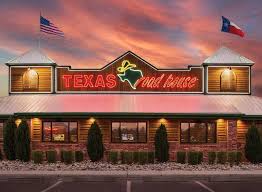
The abrupt nationwide shutdown of a once-iconic American steakhouse chain landed like a thunderclap across the restaurant world, not because decline had been long and visible, but because it seemed to happen all at once. One day, families were gathering over familiar menus, celebrating birthdays, anniversaries, and small milestones; the next, hundreds of locations were shuttered without warning. Parking lots that had once filled nightly stood silent, and communities accustomed to the comforting predictability of the brand were left confused and unsettled. The closure of 261 corporate-owned restaurants revealed how fragile even long-established businesses can be when internal systems fail. What made the moment particularly jarring was the disconnect between the brand’s outward familiarity and the severe financial turmoil happening behind the scenes. To customers, the steakhouse represented stability and tradition. Internally, however, mounting pressures had been quietly pushing the company toward collapse, demonstrating that nostalgia and name recognition cannot compensate for fundamental financial discipline.
As details emerged, the causes of the shutdown painted a troubling picture of mismanagement that went far beyond normal industry challenges. Rising labor costs, increased competition from fast-casual concepts, and changing consumer preferences had certainly squeezed margins, but these were pressures shared across the industry. What set this collapse apart was the misuse of sales tax funds—money collected from customers with the explicit obligation to remit it to state and local governments. Such funds are not discretionary income, and diverting them often triggers swift legal and financial consequences. Once uncovered, the issue eroded trust with regulators and creditors, leaving the company with few options beyond bankruptcy. The revelation reframed the shutdown not as an unavoidable casualty of a difficult market, but as the result of decisions that compounded risk rather than managed it. For industry observers, the episode became a cautionary tale about how shortcuts in financial stewardship can undo decades of brand-building in a matter of weeks.
While headlines focused on corporate collapse, the most immediate and painful consequences were felt by workers. Nearly 18,000 employees lost their jobs almost overnight, many without advance notice or a safety net. Servers, cooks, managers, and support staff suddenly faced uncertainty in an industry already marked by instability and thin margins. Health insurance disappeared, paychecks stopped, and in some cases, final wages were delayed or disputed. In smaller towns, where the steakhouse was often one of the largest employers and a central social hub, the impact rippled outward. Local economies felt the strain as disposable income vanished and suppliers lost contracts. The shutdown exposed a harsh reality of corporate vulnerability: decisions made at the highest levels can devastate frontline workers who had no role in creating the crisis. It reignited conversations about labor protections, transparency, and whether employees should be better shielded from abrupt corporate failures.
Bankruptcy, however, did not mark the end of the story. Through restructuring, the brand found a second chance under new ownership when it became part of the CraftWorks portfolio acquired by SPB Hospitality. This transition represented more than a change in management; it signaled a philosophical shift. New leadership acknowledged that survival required learning from failure rather than masking it. The focus turned toward financial accountability, operational discipline, and restoring credibility with employees and customers alike. Rather than rushing to reopen every shuttered location, the company adopted a measured approach, reopening only those restaurants with demonstrated demand and sustainable operating conditions. This restraint contrasted sharply with the expansion-driven mindset that had previously dominated, suggesting a newfound understanding that growth without stability is ultimately destructive.
As reopened locations welcomed diners back, the revival leaned heavily on what had made the brand beloved in the first place. Familiar flavors, hearty portions, and an unpretentious atmosphere reminded customers why the steakhouse had once been a staple of casual dining. At the same time, internal systems were tightened, with clearer financial controls and more conservative planning. By 2025, the chain operated 135 locations across 22 states—significantly fewer than before, but intentionally so. The reduced footprint reflected a commitment to sustainability rather than dominance. For returning patrons, walking through reopened doors carried emotional weight, symbolizing not just a meal but the restoration of something that had felt unexpectedly lost. For employees rehired under the new structure, the revival offered cautious hope, tempered by lessons learned the hard way.
Beyond one company, the collapse and recovery of this steakhouse chain revealed deeper truths about the modern restaurant industry. Casual dining occupies an increasingly narrow space between fast-casual convenience and higher-end experiences, forcing chains to justify their value amid rising costs and shifting tastes. The episode underscored how quickly trust can be lost when financial responsibility falters, and how difficult it is to rebuild once that trust is broken. Yet it also demonstrated the enduring power of brand loyalty when paired with genuine accountability. Customers returned not simply because the name was familiar, but because the revival acknowledged past failures and prioritized stability. In that sense, the steakhouse’s journey stands as both warning and affirmation: a warning that mismanagement can erase decades of success, and an affirmation that humility, discipline, and respect for workers and customers can still carve a path back. In an industry defined by constant change, the story serves as a reminder that resilience is possible—but only when lessons are learned and responsibility is taken seeriously.