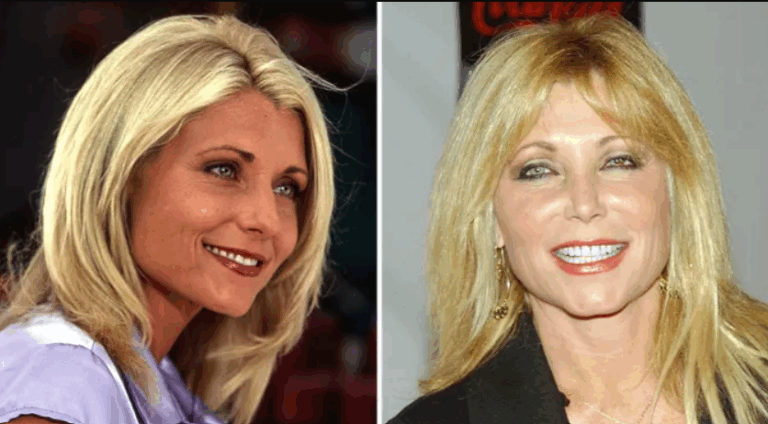
Pamela Bach-Hasselhoff, an actress remembered for her work across television and film and widely recognized for her connection to the iconic series Baywatch, has died at the age of 61. Her passing has sent a wave of shock through the entertainment world and among longtime fans who followed her career for decades. Authorities confirmed that she was found deceased in her Los Angeles home after concerned family members went to check on her when they were unable to reach her. Investigators later determined that she had died from a self-inflicted gunshot wound. While the circumstances of her death are deeply tragic, they also underscore a sobering reality about mental health struggles that can exist quietly, even among those whose lives once appeared filled with success, recognition, and admiration. News of her death spread quickly, prompting an outpouring of condolences, memories, and reflection on a career that spanned years of television prominence and public attention.
Throughout her professional life, Pamela Bach-Hasselhoff built a steady and respected career in Hollywood, earning roles in a variety of television productions and films. While she was often associated with Baywatch, her work extended far beyond a single series. She appeared in numerous popular shows during an era when television reached massive global audiences, allowing her performances to resonate with viewers far beyond the United States. Colleagues and casting professionals frequently described her as dependable, prepared, and deeply committed to her craft. She possessed a screen presence that balanced confidence with approachability, making her memorable even in ensemble casts. For many fans, her performances were tied to a particular moment in television history—one defined by weekly rituals, shared viewing experiences, and characters that felt familiar and comforting. That connection helped cement her place in pop culture and ensured her work would continue to be revisited long after original broadcasts ended.
Beyond the screen, those who worked closely with Pamela often spoke about her kindness and professionalism. She was known for offering encouragement to younger actors and for maintaining genuine relationships within an industry often criticized for its competitiveness and transience. Friends described her as warm, generous, and deeply loyal, someone who valued personal connection as much as professional success. Yet, like many public figures, her private life unfolded under persistent scrutiny. Her marriage to actor David Hasselhoff placed her firmly in the public eye, and even after their separation, her name remained linked to a high-profile narrative that followed her for years. While fame can open doors, it can also amplify personal challenges, turning private pain into something silently endured behind a familiar public image.
In the years following her most visible work, Pamela Bach-Hasselhoff lived a quieter life, one that drew less media attention but remained shaped by the long shadow of celebrity. For many former stars, transitioning away from constant public recognition can be emotionally complex. Identity, purpose, and self-worth can become difficult to navigate when applause fades and routines change. Mental health experts frequently note that these transitions—especially when combined with personal loss, isolation, or unresolved trauma—can create significant emotional strain. While no single factor can explain a person’s decision to end their life, her passing has reignited conversations about how society understands mental health, particularly among those who once lived under intense public scrutiny. It serves as a reminder that success and visibility do not provide immunity from depression, loneliness, or emotional pain.
Following news of her death, tributes poured in from fans who remembered her not just as a television actress, but as a familiar presence during formative years of their lives. Many expressed sadness at the thought that someone who brought enjoyment to millions may have been suffering in silence. Others emphasized the importance of compassion, urging people to check in on loved ones and to take signs of distress seriously. In a statement released through a representative, David Hasselhoff acknowledged the family’s grief, expressing gratitude for the support they had received while requesting privacy during an intensely difficult time. His words reflected the complexity of mourning someone whose life was shared across personal and public realms, where loss is experienced both intimately and under the gaze of the wider world.
Pamela Bach-Hasselhoff’s death stands as both a personal tragedy and a broader call for awareness. Her legacy includes not only the roles she played and the joy she brought to audiences, but also the conversation her passing has sparked about mental health, compassion, and the importance of support systems. Remembering her means honoring her work, acknowledging her humanity, and recognizing that behind every familiar face is a life shaped by unseen struggles as well as achievements. If there is meaning to be found in such loss, it may lie in encouraging openness, reducing stigma, and reminding one another that help is available. For those who may be struggling, reaching out to trusted individuals or mental health professionals can be lifesaving. Pamela Bach-Hasselhoff will be remembered for her talent, her warmth, and the mark she left on television history, but her story also reminds us that care, empathy, and connection matter long after the cameras stop rolling.