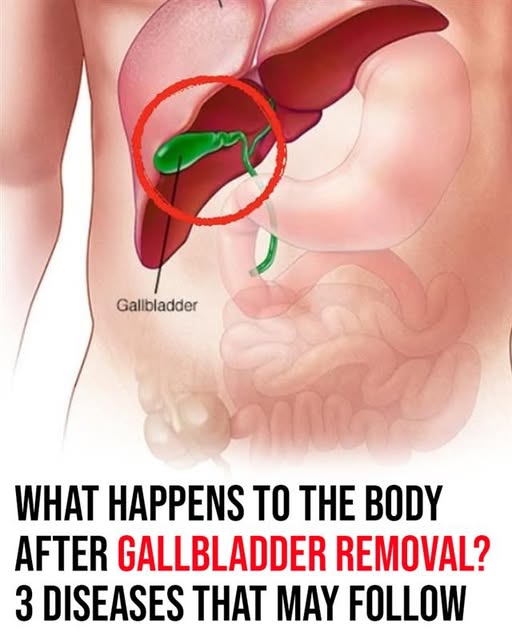
Gallbladder removal, medically known as a cholecystectomy, is one of the most common abdominal surgeries performed worldwide, often recommended for people suffering from gallstones or chronic gallbladder inflammation. Although the procedure itself is routine and generally safe, many patients are surprised by how much curiosity and anxiety arises afterward about what life without a gallbladder actually feels like. The gallbladder may be small, but it plays a specialized role in digestion, particularly in managing how the body processes fats. When it is removed, the digestive system does not stop working—but it does work differently. Understanding these changes can help reduce fear, prevent unnecessary discomfort, and empower patients to make better dietary and lifestyle choices during recovery and beyond.
To understand the impact of gallbladder removal, it helps to first understand what the organ does. The gallbladder sits beneath the liver and acts as a storage reservoir for bile, a digestive fluid produced by the liver. Bile helps break down fats so they can be absorbed in the small intestine. When you eat, especially fatty foods, the gallbladder contracts and releases a concentrated dose of bile into the digestive tract. When the gallbladder is removed, bile is no longer stored or released in bursts. Instead, it flows continuously from the liver into the intestines. For many people, this change is subtle and barely noticeable over time. For others, particularly in the early weeks after surgery, the difference can lead to digestive symptoms as the body learns to adapt to a constant, less concentrated bile supply.
The most common changes people notice after gallbladder removal involve digestion, especially when eating fatty or heavy meals. Without the gallbladder’s ability to release bile on demand, large amounts of fat can be harder to digest all at once. This may lead to bloating, gas, abdominal discomfort, or diarrhea shortly after eating. Some people experience bile acid diarrhea, which occurs when excess bile irritates the lining of the intestines, causing loose stools or urgency. These symptoms are usually temporary and tend to improve as the digestive system adjusts. The intestines gradually become more efficient at handling bile flow, and the liver may also modify bile production over time. While these changes can feel alarming at first, they are typically part of the normal healing and adaptation process rather than signs of something going wrong.
Diet plays a central role in how smoothly someone recovers after gallbladder surgery. In the early stages, doctors often recommend a low-fat, gentle diet to reduce digestive stress. Fried foods, greasy meals, rich sauces, and large portions can overwhelm the digestive system and worsen symptoms. Eating smaller meals more frequently helps because it reduces the need for large amounts of bile at one time. Lean proteins, whole grains, fruits, vegetables, and fiber-rich foods are generally easier to tolerate and support digestive health. Fiber is particularly helpful for regulating bowel movements, but it should be increased gradually to avoid gas and cramping. Hydration is equally important, especially for those experiencing diarrhea, as fluid and electrolyte balance can be disrupted during recovery.
Beyond digestion, gallbladder removal can also influence how people relate to food and eating habits in the long term. Some individuals find that the surgery becomes a turning point that encourages healthier choices, portion control, and more mindful eating. Others worry that they will never enjoy certain foods again. In reality, most people are eventually able to return to a fairly normal diet, including occasional higher-fat foods, once their body has adjusted. The key difference is moderation. Rather than relying on the gallbladder to handle excess fat, the body functions best when meals are balanced and not overly heavy. Listening to your body’s responses becomes essential, as tolerance can vary from person to person.
Emotionally, gallbladder removal can bring both relief and uncertainty. Many patients feel immediate relief from the pain and discomfort that led to surgery in the first place, especially if gallstones were causing repeated attacks. At the same time, adjusting to new digestive sensations can create worry or frustration, particularly if symptoms persist longer than expected. It’s important to remember that healing is not always linear. Some days may feel normal, while others bring setbacks. Ongoing symptoms should always be discussed with a healthcare provider, as medications or dietary adjustments can often help. Long-term complications are rare, but medical guidance ensures that lingering issues are properly addressed rather than ignored.
Ultimately, life without a gallbladder is not only manageable—it is often healthier and more comfortable than life with a diseased one. The body is remarkably adaptable, and most people find that within weeks or months, digestion stabilizes and confidence returns. Gallbladder removal does not prevent the body from absorbing nutrients or living fully; it simply requires a period of adjustment and awareness. With informed choices, patience, and proper medical support, people can move forward without constant pain or fear, knowing that the loss of this small organ does not limit their ability to live well.