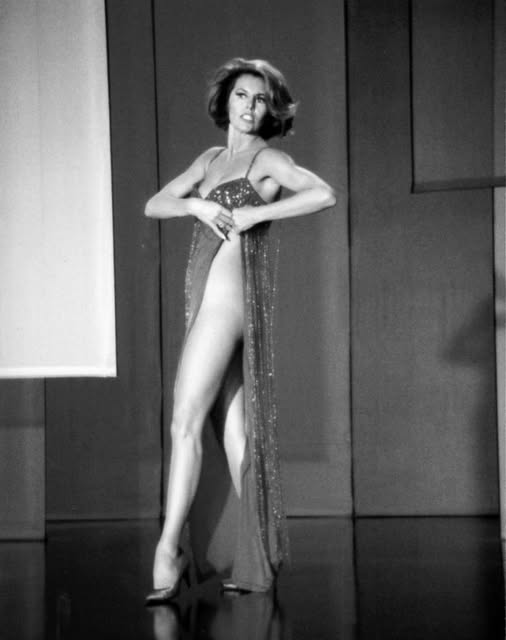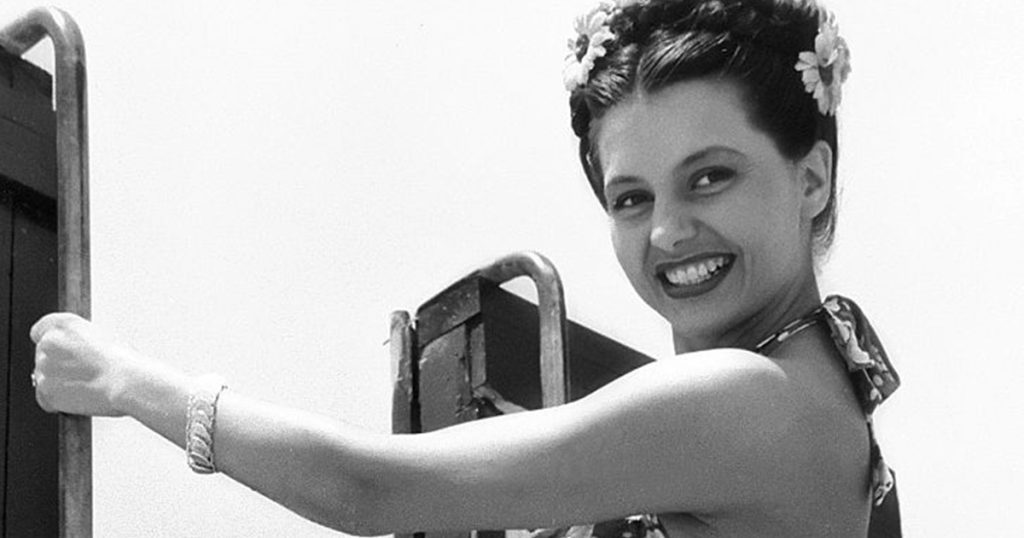
Cyd Charisse’s story is one of extraordinary transformation, both on and off the silver screen. Born Tula Ellice Finklea on March 8, 1922, in Amarillo, Texas, she began life frail and sickly, her childhood challenged by polio and delicate health. Her parents, seeking to strengthen her body, enrolled her in ballet lessons, unknowingly igniting a lifelong passion for dance that would define her career. What began as a therapeutic exercise soon became a disciplined pursuit of artistry, shaping the physicality, poise, and elegance that would captivate audiences decades later. Early adversity, Charisse later said, did not diminish her spirit—it gave her focus, drive, and the determination to transcend limitations through movement.
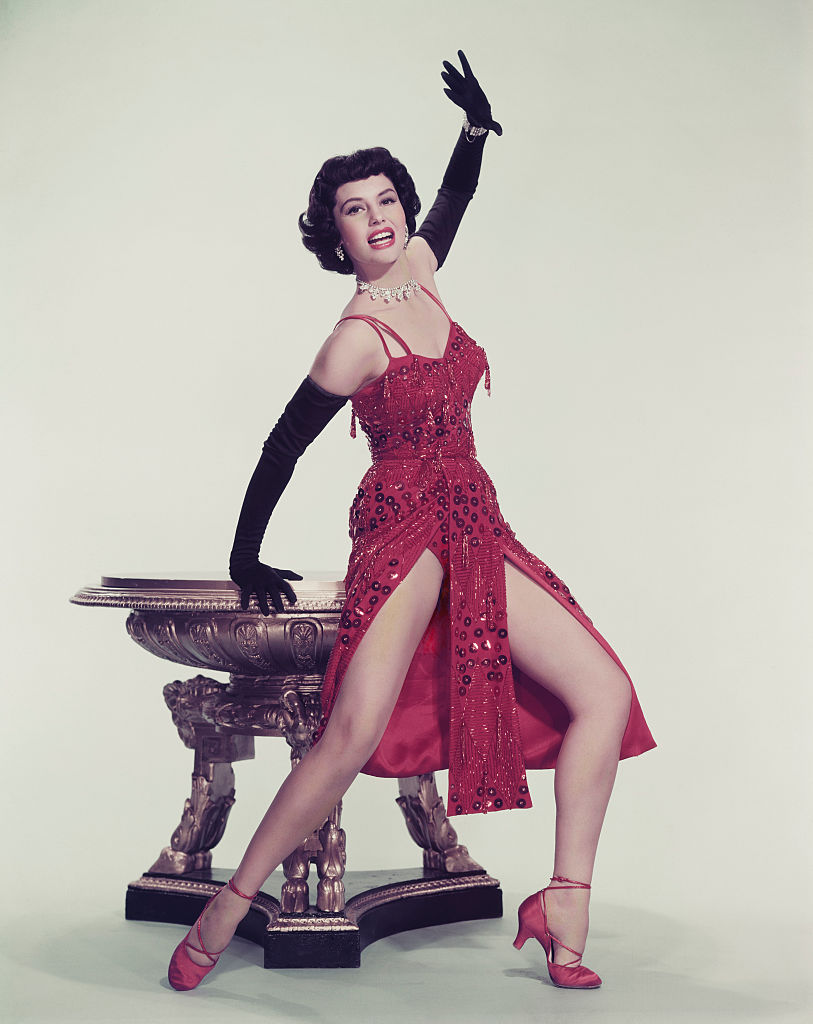
By her teenage years, Charisse’s talent had attracted top instructors, and she relocated to Los Angeles to study under renowned ballet master Adolph Bolm. Further refinement of her craft took her to London and Paris, where she trained at prestigious ballet schools. During this period, she experimented with stage names, initially adopting “Felia Sidorova” to convey a Russian ballet persona, before settling on Cyd Charisse—a blend of a childhood nickname and her married surname. Her early career consisted of uncredited appearances as a background dancer in films like Something to Shout About (1943). Yet even in these small roles, Charisse’s poise, screen magnetism, and fluid movements set her apart, signaling the arrival of a star in the making.
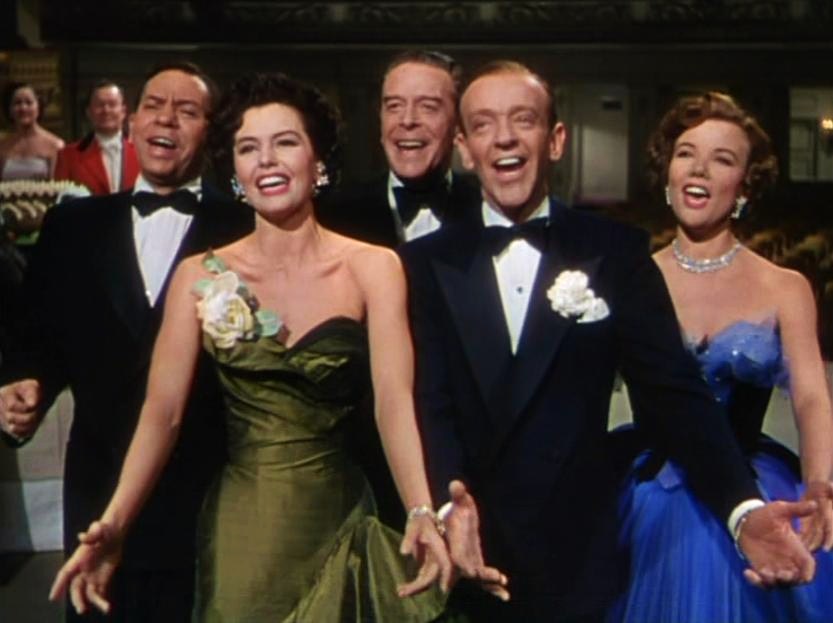
Charisse’s breakthrough came when MGM recognized her potential and cast her alongside legends of Hollywood dance. A pivotal moment occurred in Ziegfeld Follies (1945), where her chemistry with Gene Kelly drew attention despite a brief role. Her defining cinematic moment, however, arrived in Singin’ in the Rain (1952). In the “Broadway Melody” sequence, clad in a shimmering green dress, she conveyed elegance, sensuality, and dramatic expression without speaking a single line. Charisse’s ability to communicate emotion entirely through movement set her apart from her peers, cementing her status as a leading dancer in Hollywood musicals. Her subsequent work with Fred Astaire in The Band Wagon (1953) further highlighted her mastery, particularly in the “Dancing in the Dark” sequence, combining subtlety, romance, and technical precision.

Unlike many performers, Charisse’s brilliance lay in her versatility. She seamlessly fused ballet, jazz, and classical techniques, creating a style that balanced athleticism with expressive drama. Standing 5 feet 6 inches tall, she appeared statuesque in heels and full-length stockings, captivating audiences with both form and fluidity. Her professional dedication extended off-screen, where she maintained discretion and avoided the excesses of Hollywood life, earning respect from colleagues and choreographers alike. Even as the golden age of movie musicals declined in the 1960s, Charisse adapted, transitioning to television, Broadway, and touring nightclub acts, demonstrating enduring skill and charisma well into her seventies.
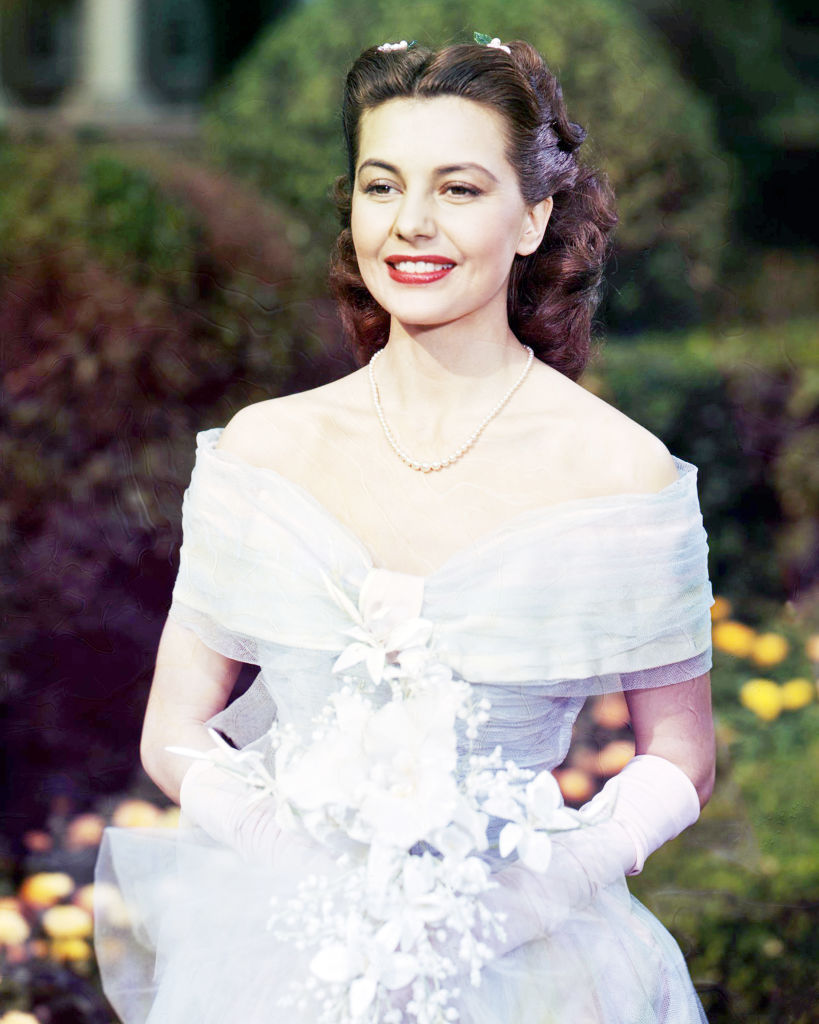
Her personal life mirrored her dedication and grace. Charisse married singer Tony Martin in 1948, a partnership that lasted over six decades until her death. Together, they raised a family and maintained stability rare in Hollywood, offering Nico Charisse, her son from a previous marriage, a nurturing environment. Yet tragedy touched the family when her daughter-in-law Sheila Charisse perished in the 1979 American Airlines Flight 191 crash—then the deadliest civilian air disaster in U.S. history. This devastating loss, along with other personal challenges, underscored that even those surrounded by glamour are not immune to heartbreak. Charisse’s response to such adversity reflected resilience and composure, qualities that also informed her artistic expression.
Cyd Charisse passed away on June 17, 2008, at age 86, following a heart attack. Her legacy endures not only in iconic films like Singin’ in the Rain and The Band Wagon, but in the broader evolution of female dancers in Hollywood. She redefined what it meant to combine athleticism, grace, and emotional storytelling, often becoming the visual and emotional center of her films. Decades later, her influence continues to inspire performers worldwide, a testament to a career built on skill, artistry, and resilience. Whether on the silver screen or in the hearts of those who admire her work, Cyd Charisse remains an enduring icon—a performer whose language was movement and whose legacy continues to dance on.