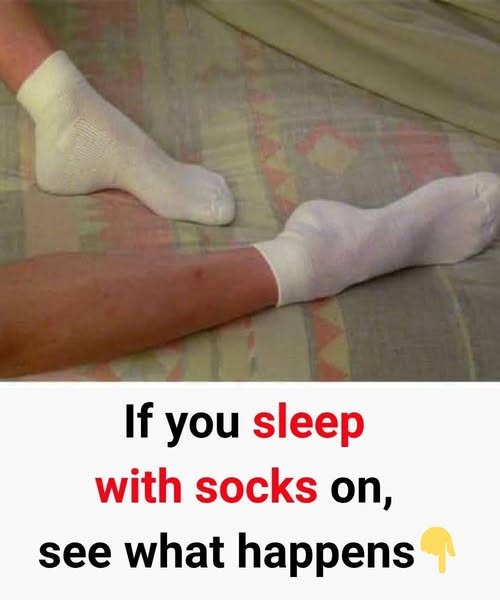
Wearing socks to bed may sound like a trivial personal preference, the kind of habit shaped more by comfort or childhood routine than by biology. Yet sleep researchers have increasingly pointed to this small behavior as one that can meaningfully influence how the body prepares for rest. Sleep is not simply the absence of wakefulness; it is an active, carefully regulated process involving temperature shifts, hormonal signaling, nervous system changes, and brain-wave transitions. The brain requires specific physical cues to move from alertness into sleep, and one of the most important is a subtle drop in core body temperature. This nightly cooling tells the brain that it is safe to disengage from vigilance and begin the restorative processes that occur during deep sleep. What many people do not realize is that something as simple as warming the feet can help trigger this cascade, acting as a quiet signal that the body is ready to rest.
Each evening, the body orchestrates a delicate thermal dance. As bedtime approaches, blood flow is redirected away from the core and toward the extremities, particularly the hands and feet. This process, known as distal vasodilation, allows heat to escape through the skin, gently lowering internal temperature. That drop is essential for sleep onset and for maintaining stable sleep throughout the night. The feet play an outsized role in this process because they contain specialized blood vessels designed to release heat efficiently. When the feet are cold, those vessels constrict, trapping warmth and keeping core temperature slightly elevated. The brain interprets this as a signal to remain alert. When the feet are warm, however, blood vessels open, heat dissipates, and the brain receives a powerful physiological cue that it is time to rest.
Socks, in this context, function less as a comfort item and more as a facilitator of the body’s natural sleep mechanisms. By keeping the feet warm, socks help encourage vasodilation, which accelerates heat loss from the core and shortens the time it takes to fall asleep. Several sleep studies have found that people who wear socks to bed tend to fall asleep faster and experience fewer nighttime awakenings, particularly in cooler environments. This effect is not about overheating the body, but about creating the right temperature gradient between the core and the extremities. When that balance is achieved, the brain transitions more smoothly into deeper stages of sleep, including slow-wave sleep and REM, where memory consolidation, emotional regulation, and physical repair occur.
Beyond temperature regulation, warming the feet may also influence the nervous system and hormonal environment of the body. The parasympathetic nervous system, often called the “rest and digest” system, becomes more active as the body prepares for sleep. Warmth is a known signal that promotes parasympathetic dominance, lowering heart rate, easing muscle tension, and calming stress responses. For some individuals, especially those prone to nighttime anxiety or racing thoughts, the sensation of warm feet can subtly reduce arousal signals in the brain. This calming effect may support the release of melatonin, the hormone that governs circadian rhythm and sleep timing. While socks are not a sedative, they can help create the internal conditions that allow natural sleep hormones to do their work more effectively.
The benefits of wearing socks to bed may be particularly noticeable for certain groups of people. Those with chronically cold feet, poor circulation, diabetes, or age-related changes in blood flow often struggle with temperature regulation at night. For them, cold extremities can repeatedly interrupt sleep, pulling the brain out of deeper stages and into lighter, less restorative ones. Wearing light, breathable socks can reduce these micro-awakenings, helping to stabilize sleep architecture across the night. Older adults, who naturally experience a reduced ability to regulate body temperature, may also find that socks help maintain more consistent sleep cycles. Even people who wake frequently without knowing why may discover that warmth at the feet reduces subtle physiological stress that disrupts rest.
That said, socks are not universally beneficial. Sleep is deeply individual, and some people are sensitive to sensations or prone to overheating. For these sleepers, socks may create discomfort, trigger restlessness, or interfere with the body’s ability to cool down appropriately. Fabric choice also matters; heavy or non-breathable materials can trap too much heat and counteract the intended effect. The key is balance. Lightweight, moisture-wicking socks that allow airflow are more likely to support sleep than thick or restrictive ones. Paying attention to how the body responds is essential, as the goal is to support natural rhythms rather than override them.
Ultimately, the science around sleeping with socks highlights a broader truth about rest: small, seemingly insignificant habits can have outsized effects on the body’s internal systems. Sleep quality is shaped not only by mattresses, schedules, or supplements, but by subtle cues that tell the brain when it is safe to let go. For many people, wearing socks to bed becomes a simple, low-effort form of self-care, gently reinforcing the body’s natural sleep signals without medication or major lifestyle changes. It is not a cure for insomnia, nor a universal solution, but for those whose bodies respond well to warmth, it can be a quiet ally in the pursuit of deeper, more restorative sleep.