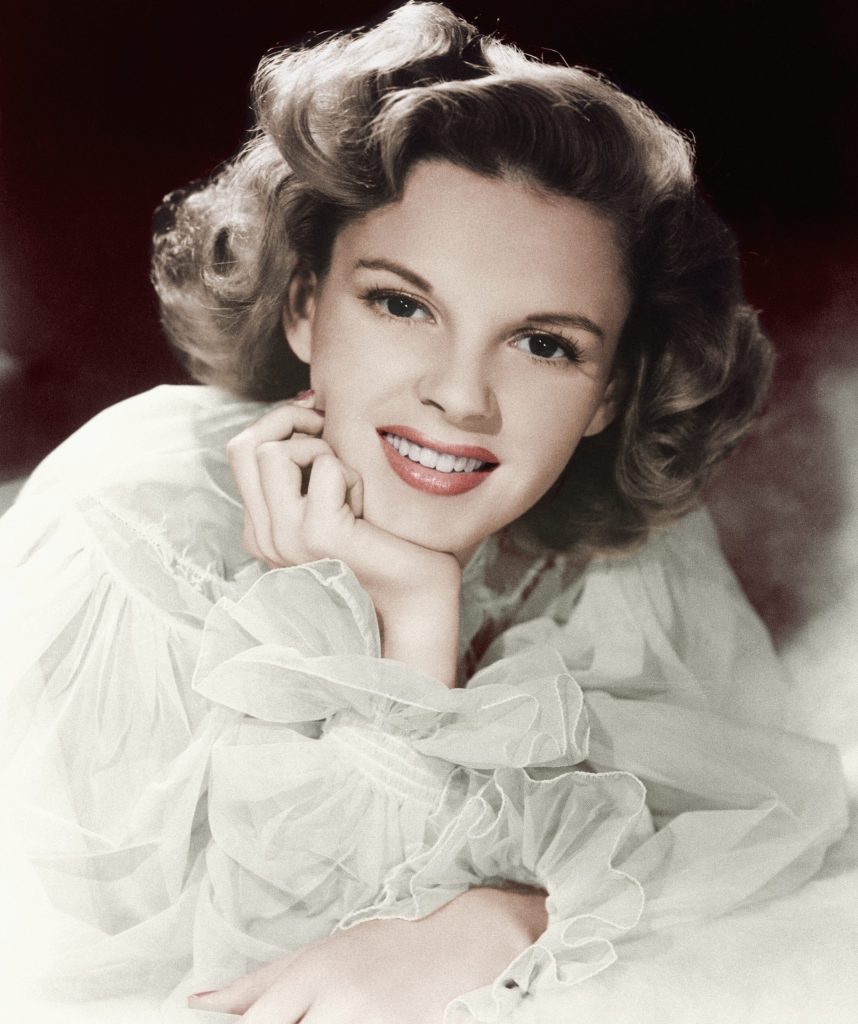
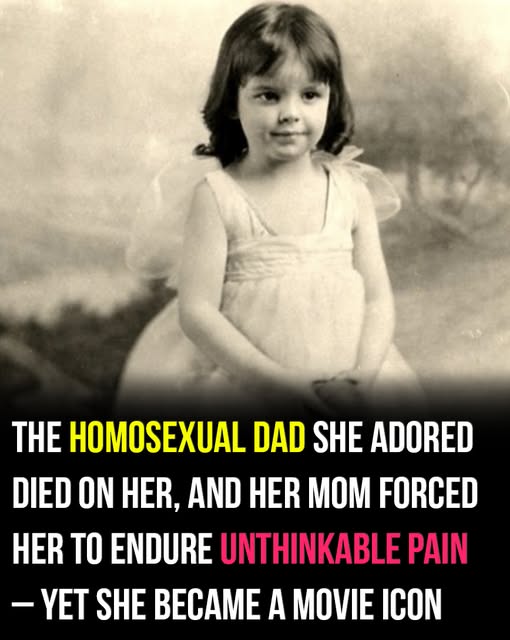
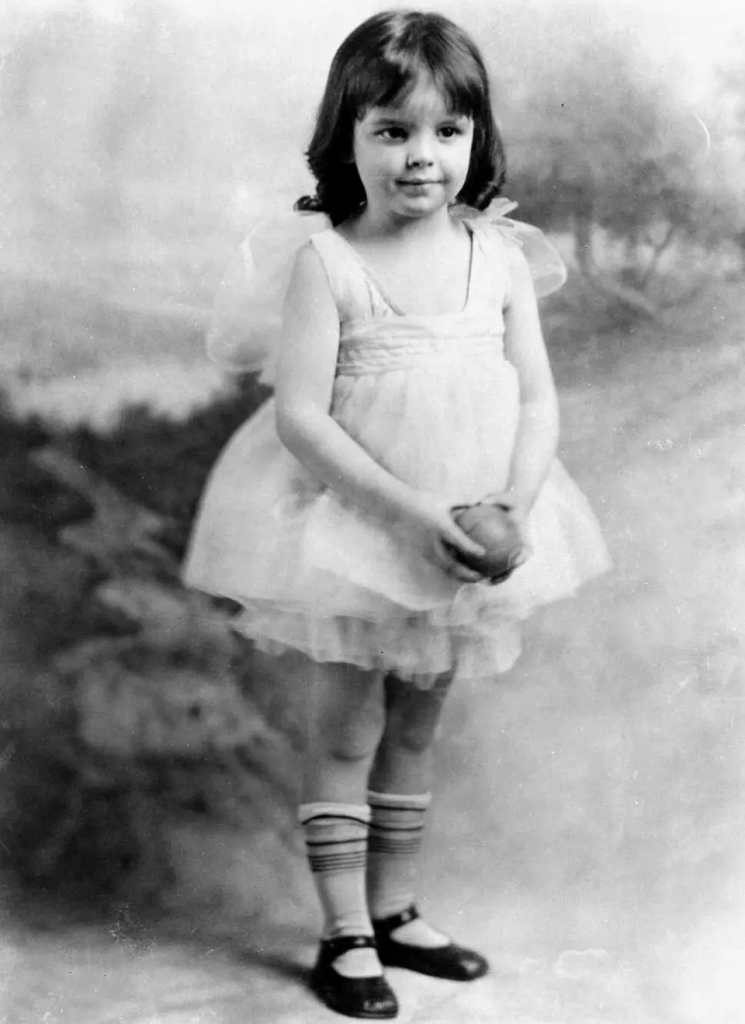
She grew up surrounded by noise, ambition, and instability, long before the world ever knew her name. Born in Minnesota into a family of vaudeville performers, Judy Garland was thrust into the spotlight before she could fully understand what it meant to be a child. By the age of three, she was already performing on stage, trained not by nurturing mentors but by circumstance and expectation. Home was not a refuge from the pressures of performance; it was an extension of them. Her parents’ turbulent marriage, riddled with separations and reconciliations, created an atmosphere of constant emotional uncertainty. Compounding that instability were rumors surrounding her father’s private life—whispers that eventually drove the family to relocate quietly to California in 1926. For Garland, childhood was not a time of safety or exploration, but a blur of rehearsals, performances, and fear. She later recalled the deep anxiety she felt during her parents’ separations, an early emotional wound that would never fully heal. Even as a small child, she learned that love and approval were conditional—earned through applause, obedience, and endurance.
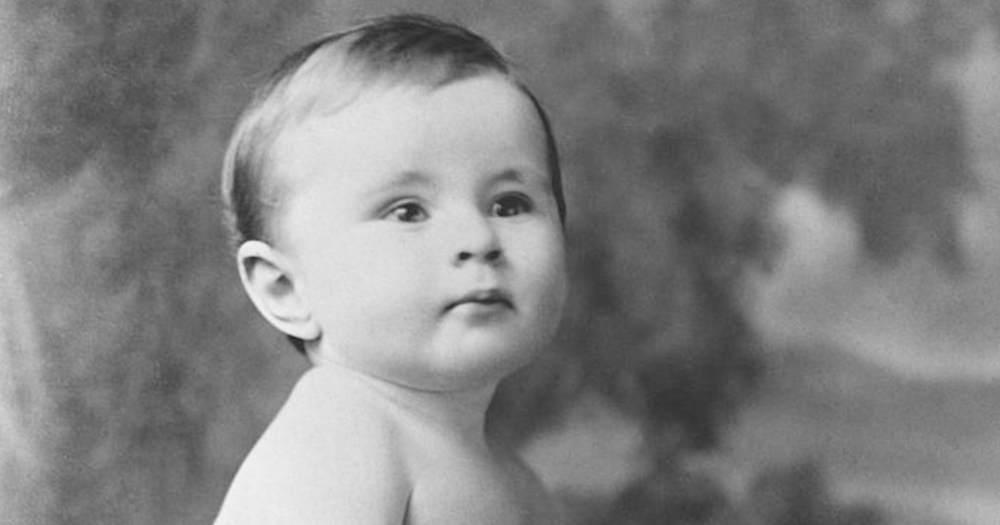
As her talent became increasingly apparent, the boundaries meant to protect children dissolved entirely. Garland was taken into nightclubs and adult venues far beyond what was appropriate for her age, expected to entertain audiences who saw her less as a child and more as a novelty. Her mother, whom Garland would later describe as jealous and cruel, exerted relentless control over her career and behavior. According to biographers and Garland’s own later accounts, she was routinely given pills—stimulants to keep her awake and performing, sedatives to force sleep when exhaustion overtook her. This chemical regulation of her body began before she was old enough to understand its consequences, establishing a dependency that would follow her for life. Garland once said that the only time she felt wanted as a child was when she was on stage, performing for others. In interviews years later, she spoke candidly about her mother’s threats, cruelty, and emotional manipulation, recalling moments when she was forced to sing despite illness or fear. Even more disturbingly, Garland claimed her mother never truly wanted her, recounting stories of attempted miscarriages and threats of abortion. Whether all details were literal or shaped by trauma, the emotional truth remained unmistakable: Garland grew up believing her existence was tolerated only so long as it remained profitable.
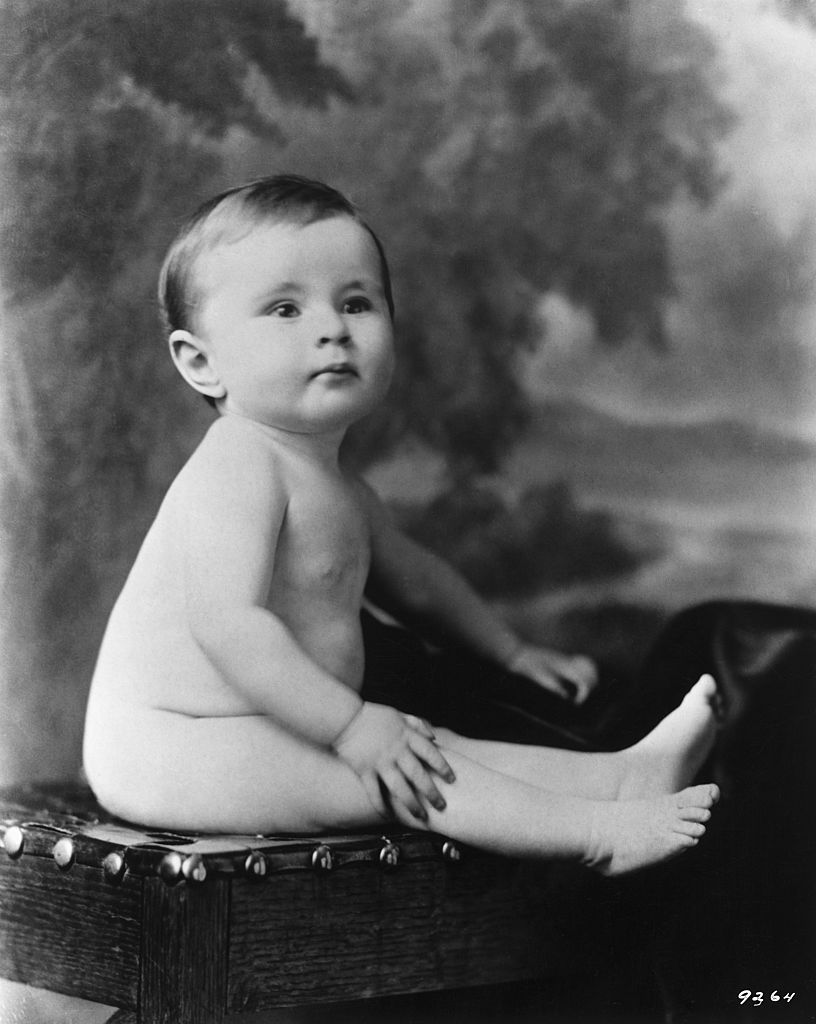
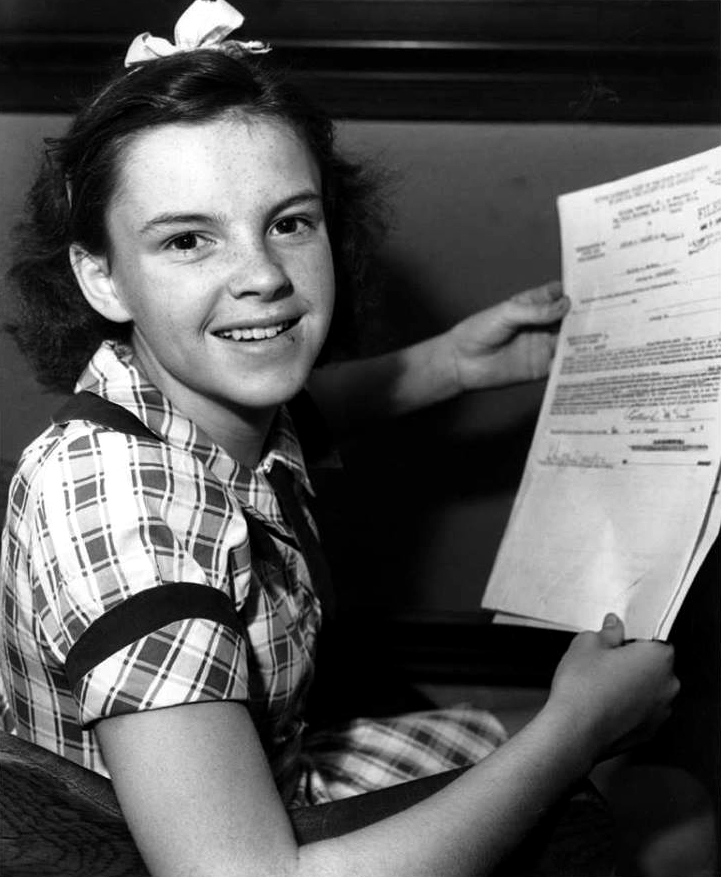
Her entry into Hollywood formalized what childhood had already taught her—that she belonged not to herself, but to an industry. In 1935, Garland signed with MGM, and by 1937 she had her first major screen moment in Broadway Melody. From that point forward, her life became a relentless cycle of overlapping productions, rehearsals, promotional appearances, and tours. Studio executives tightly controlled her schedule, her diet, and even her self-image. Louis B. Mayer’s reported nickname for her—“my little hunchback”—reflected the cruelty she endured behind the scenes. She was placed on extreme diets of cottage cheese and broth and given amphetamine-laced pills to suppress her appetite and maintain energy. At just thirteen years old, she was told repeatedly that she was too small, too plain, not quite right. Yet she worked constantly, driven by fear of failure and a desire for approval. When MGM loaned her to Fox for Pigskin Parade, her performance proved undeniable, forcing her home studio to recognize her value. Even as her career ascended, personal tragedy followed closely behind. Her father’s sudden death from spinal meningitis devastated her, yet she returned to work almost immediately. Grief, like everything else, was something to be endured privately and quickly, never allowed to interfere with production schedules.
The late 1930s brought both extraordinary success and irreversible damage. Garland’s pairing with Mickey Rooney created a series of profitable films, cementing her status as a box-office draw. But the physical and emotional toll was immense. The pills that once helped her survive the schedule became a dependency, blurring the line between medical necessity and addiction. Then, in 1939, came the role that would define her forever. The Wizard of Oz transformed Garland into a global icon, her voice and image forever linked to innocence, longing, and hope. The ruby slippers, the Yellow Brick Road, and “Somewhere Over the Rainbow” became cultural touchstones, even as the reality behind the scenes was anything but magical. The production itself was grueling, and Garland continued to be chemically managed to meet the demands placed upon her. Though the film initially posed a financial risk to MGM, its lasting success made Garland one of the most valuable stars in America. Yet fame did not bring relief—only higher expectations, deeper scrutiny, and fewer places to hide.
In the years that followed, Garland delivered a string of acclaimed performances in films like Meet Me in St. Louis and Easter Parade, proving her versatility and emotional depth. But her health—both physical and mental—continued to deteriorate. By her early thirties, she had already experienced cycles of professional triumph followed by publicized breakdowns. Her 1954 performance in A Star Is Born was widely hailed as one of the greatest of her career, yet it mirrored her own life with painful accuracy: a gifted performer battling personal demons while struggling to maintain stability in an unforgiving industry. Garland herself acknowledged the exhausting pattern of collapse and recovery, famously calling herself “the queen of the comeback.” Behind the humor was profound fatigue. Years of addiction, depression, and insecurity weighed heavily on her, and suicide attempts were not uncommon. Despite being adored by millions, she struggled with a deeply rooted belief that she was fundamentally inadequate—a belief cultivated by years of criticism and control beginning in childhood.
Judy Garland died on June 22, 1969, at the age of 47, from an accidental overdose of barbiturates. While her death shocked the world, it did not entirely surprise those who knew her struggles. She had lived for decades at the edge of physical and emotional collapse, sustained by talent, resilience, and a desperate need to keep going. Yet to reduce her life to tragedy alone would be a disservice. Those who knew her spoke of her warmth, loyalty, humor, and astonishing strength. Friends described her as generous and fiercely devoted, capable of lighting up a room with laughter as easily as she could silence it with song. Her daughter Lorna rejected the idea that Garland herself was tragic, insisting instead that she was fully human—brilliant, flawed, loving, and alive. Garland’s story stands today as both a testament to extraordinary talent and a cautionary tale about the cost of exploitation. Behind the glitter and applause was a child who never truly escaped the pressures that shaped her, yet whose voice continues to resonate, reminding the world that even the brightest stars often rise from the deepest shadows.