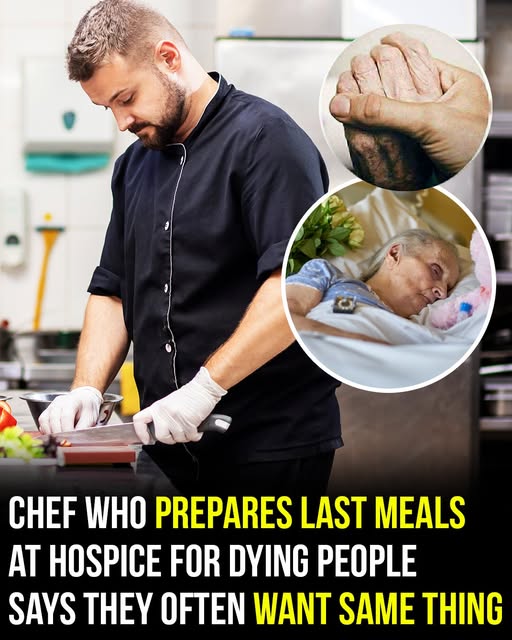
At Sobell House Hospice in Oxfordshire, Spencer Richards does far more than prepare meals. His work unfolds at the intersection of nourishment, memory, and dignity, where food becomes one of the last tangible comforts available to people nearing the end of life. Richards understands that for terminally ill patients, appetite is often fragile, unpredictable, and deeply emotional. Meals are no longer about routine or dietary balance alone; they are about familiarity, reassurance, and reclaiming small pieces of identity that illness has slowly eroded. Over years of hospice work, Richards has noticed one recurring request more than any other: simple comfort food, especially cake. Not elaborate, restaurant-style desserts, but soft sponge cakes, chocolate cakes, and modest birthday-style bakes that evoke childhood, celebration, and love. These requests are rarely about hunger. They are about memory. Cake represents birthdays, family gatherings, moments of being seen and celebrated, even for patients who never experienced those rituals earlier in life. Richards recalls baking a cake for a 93-year-old woman who had never celebrated her birthday before; her tears were not about sugar or flour, but about finally feeling acknowledged. In hospice care, such moments carry profound emotional weight, turning food into a language of compassion when words fall short.
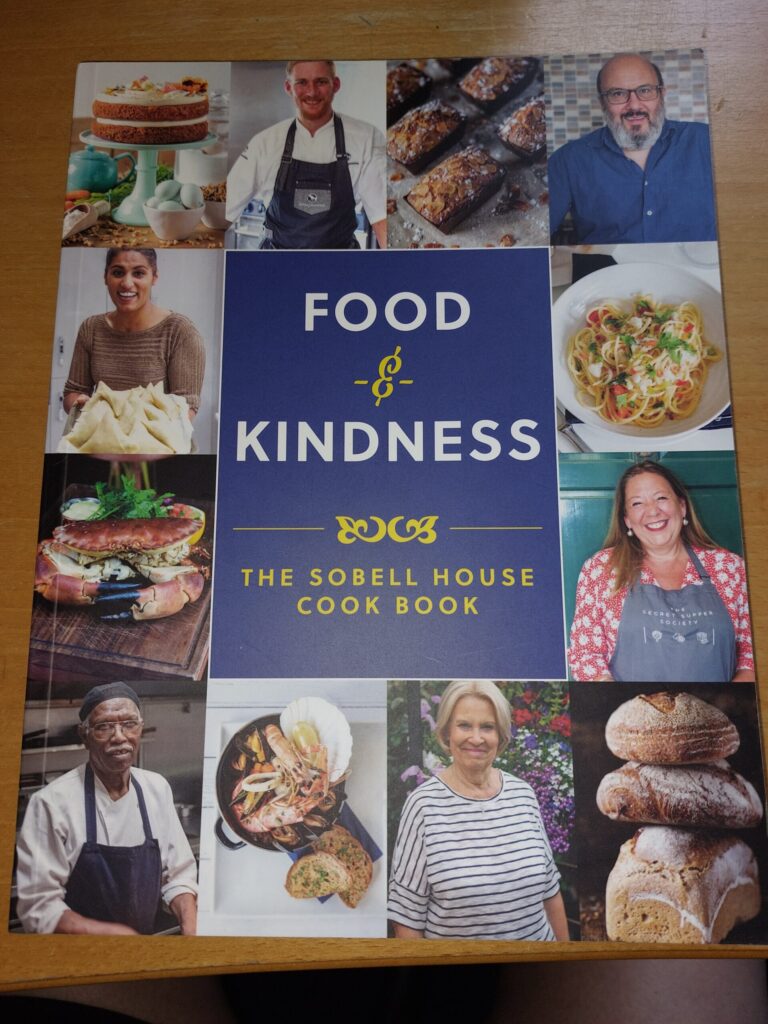
Cooking in a hospice setting demands far more than culinary skill. Patients arrive with complex medical realities: cancer, neurological diseases, organ failure, and the cumulative effects of aggressive treatments. Many experience altered taste, difficulty swallowing, nausea, or sudden aversions to foods they once loved. Chemotherapy can leave a metallic taste in the mouth, while radiation may dry the throat and make swallowing painful. Richards approaches these challenges with flexibility and empathy, adapting textures and flavors to meet each patient where they are physically and emotionally. Purees, soft foods, fortified desserts, and small portions become tools of care rather than compromises. When patients crave sweetness, Richards leans into it thoughtfully, knowing that sweet flavors are often easier to tolerate near the end of life. Cake, puddings, custards, and chocolate-based desserts frequently become the most requested items, not because they are indulgent, but because they are gentle, comforting, and familiar. In this context, honoring a craving is not about nutrition alone; it is about autonomy, dignity, and granting patients control in a phase of life where so much control has been lost.
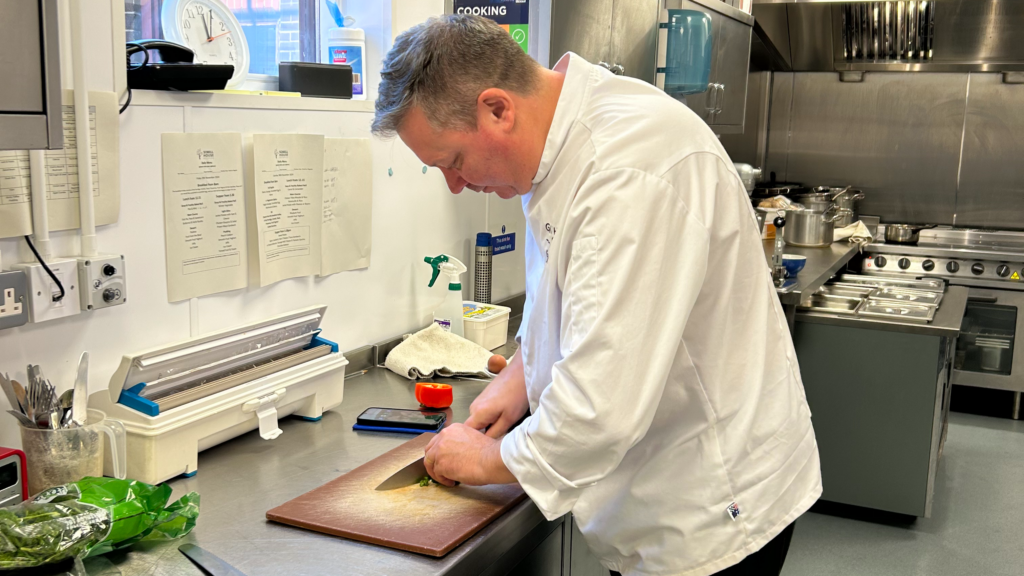
The emotional role of food becomes even clearer when Richards personalizes meals based on patients’ life stories. One young man, only 21 years old, struggled to connect with the hospice menu, finding it distant from the foods that once brought him joy. Through conversation, Richards learned that the patient loved street food, bold flavors, and casual meals tied to freedom and youth. By recreating those flavors in forms the patient could tolerate, Richards offered something deeply personal: a reminder of who the patient was beyond his diagnosis. These moments are not grand gestures; they are quiet affirmations of identity. In hospice care, patients are often reduced to charts, symptoms, and schedules. A personalized meal pushes back against that reduction, saying, “You are still you.” Cake, again, frequently plays a role here—not just as dessert, but as a symbol of normalcy. A slice of cake says that celebration is still allowed, joy is still permitted, and life is still worthy of sweetness, even at its end.
For families and caregivers, these meals become anchors in an emotionally turbulent time. Watching a loved one eat, smile, or request a favorite food can feel like a small miracle amid decline. Richards often works closely with families, asking about cultural traditions, childhood favorites, and meaningful dishes. A traditional recipe from a patient’s homeland or a dessert tied to family holidays can create moments of connection that outlast the meal itself. Cake, especially birthday cake, becomes a shared ritual, allowing families to mark time together, even when time is painfully limited. These shared moments help families cope with anticipatory grief, offering memories of laughter and warmth rather than only decline and loss. In many cases, families later recall these meals as some of the most meaningful moments of their loved one’s final days, proof that care was not only medical, but deeply human.
Creativity plays a central role in Richards’ approach. Hospice cooking is not about convenience; it is about adaptation. Pureed meals are shaped to resemble familiar foods, flavors are intensified gently to overcome dulled taste receptors, and portions are kept small to avoid overwhelming fragile appetites. Presentation matters, even when patients eat only a few bites. A well-presented slice of cake, soft and aromatic, can spark interest and comfort in ways a clinical-looking supplement never could. Richards understands that sensory experiences—smell, texture, appearance—carry emotional power. Even when patients consume very little, the experience itself matters. A bite of cake can evoke childhood kitchens, family laughter, or a sense of being cared for, all of which contribute to emotional wellbeing in ways medicine alone cannot achieve.
Ultimately, Richards’ work reveals a deeper truth about hospice care: food is not secondary to treatment; it is part of treatment. In an environment where cures are no longer possible, comfort, dignity, and emotional connection become the goals. The most frequently requested comfort food—cake—embodies those goals perfectly. It is soft when bodies are weak, sweet when life has been bitter, and symbolic of celebration when endings loom. Through simple gestures like baking a cake, Richards restores agency to patients, allowing them to choose joy on their own terms. His work shows that in the final chapter of life, nourishment is not measured only in calories, but in moments of recognition, love, and humanity. Food, when prepared with empathy, becomes a legacy—one last reminder that even at the end, life can still offer warmth, meaning, and sweetness.