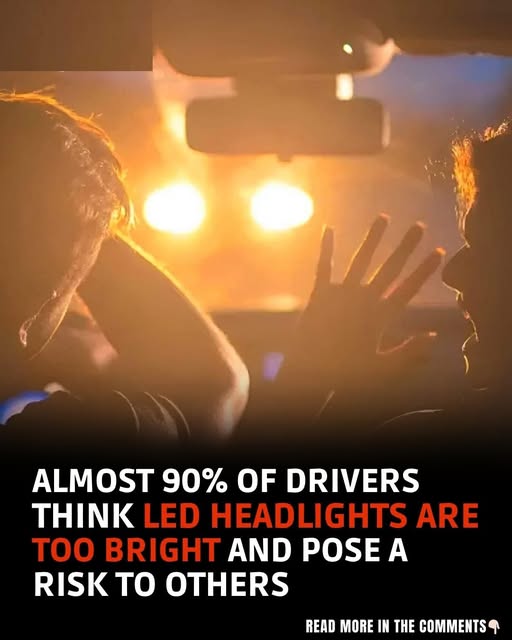
Modern automotive lighting has dramatically improved driver visibility, yet it has introduced a new and potentially dangerous challenge: glare. LED and high-intensity discharge (HID) headlights, celebrated for their bright, daylight-like illumination and energy efficiency, have unintentionally become a source of momentary blindness for oncoming drivers. The experience is disorienting: a sudden burst of light temporarily obscures vision, causing heart rates to spike, reflexive swerving, abrupt braking, or forced attention shifts that increase the risk of accidents. Reports from around the world confirm that this is not a rare occurrence; drivers consistently describe these intense beams as overwhelming, often leaving them vulnerable for several critical seconds on the road. While LED technology has revolutionized forward visibility, its concentrated, high-intensity beam can inadvertently pose a hazard, particularly when vehicle design, headlight height, or alignment is suboptimal.
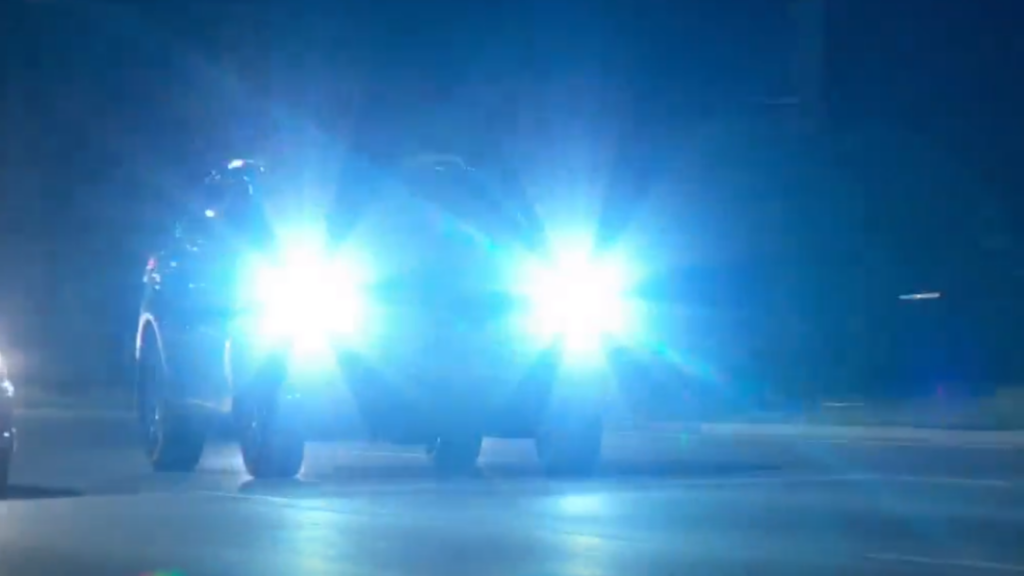
The introduction of LEDs and HIDs brought clear advantages over traditional halogen bulbs. LEDs provide longer lifespan, energy efficiency, and a cooler, whiter light closely matching natural daylight. Drivers experience better visibility at night, enhanced contrast perception, and reduced eye strain during long commutes. Initially, these advantages were widely praised, especially for rural roads, dark highways, and low-light conditions. However, unlike halogen bulbs, which emit a diffuse warm glow, LEDs produce focused, intense beams. This concentrated light, combined with mounting height on modern SUVs, trucks, and crossovers, creates conditions where glare is not only noticeable but physically impairing for drivers in smaller vehicles. Even a minor misalignment of a few degrees can redirect the beam into the line of sight of oncoming traffic, dramatically increasing the likelihood of momentary blindness and its associated hazards.
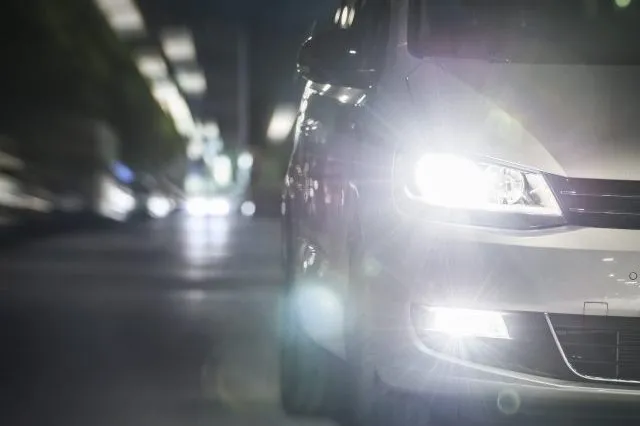
Vehicle design and road conditions further exacerbate the glare problem. Taller vehicles with elevated headlights often project light directly into the eyes of drivers in standard passenger cars. Curved roads, uneven terrain, or slopes can magnify this effect as beams shift unpredictably, briefly overwhelming the visual field. Drivers may instinctively avert their eyes, glance downward, or brake suddenly, but these reflexive actions cannot fully mitigate the risk. Data from traffic safety organizations indicate that glare-related impairment contributes to a measurable portion of nighttime collisions, yet statistics are challenging to capture precisely because the cause—temporary blindness—is often underreported or misclassified in official accident records. Consequently, many drivers remain unaware of how glare from modern headlights affects reaction times, judgment, and depth perception in real-world conditions.
Regulatory frameworks, many decades old, fail to fully address the nuances of modern high-intensity lighting. Standards developed for halogen bulbs define beam intensity, alignment angles, and glare limits under controlled conditions. However, they often neglect the interplay between varying vehicle heights, mixed traffic conditions, and adaptive lighting technologies. Some manufacturers have implemented adaptive front-lighting systems (AFS) that adjust intensity and beam angle in real time, yet these systems are expensive and primarily found in premium vehicles. Millions of drivers continue to operate vehicles with fixed LED or HID headlights that, if misaligned or upgraded with aftermarket kits, can exceed safe glare limits. Safety advocates stress that current regulations are insufficient, urging stricter enforcement, mandatory alignment checks, and broader adoption of adaptive or matrix LED technologies to reduce glare hazards across the driving population.
Beyond technical factors, the physiological and psychological effects of glare are significant. Exposure to intense headlights temporarily diminishes the eye’s contrast sensitivity, causing “flash blindness” and slowing the ability to detect obstacles, colors, and moving objects. Drivers with cataracts, macular degeneration, or other preexisting visual impairments face heightened vulnerability. Even brief moments of impaired vision—three to five seconds at highway speeds—can result in hundreds of feet traveled without accurate perception, significantly increasing collision risk. Additionally, repeated exposure contributes to anxiety, cautious driving behaviors, and avoidance of nighttime travel, which can disrupt traffic patterns and impact broader societal mobility. Pediatric and elderly drivers are particularly at risk, underscoring the public health implications of high-intensity headlight glare.
Economic, behavioral, and infrastructural factors intersect with safety concerns. Nighttime accidents induced by glare result in property damage, medical expenses, and insurance claims, while driver stress may reduce after-dark travel, indirectly affecting local economies. Roadway design also plays a role: reflective surfaces, wet pavement, or nearby signage can amplify glare intensity, and rural roads present higher stakes due to greater speeds and limited ambient lighting. Technological innovations such as matrix LEDs, automatic high-beam assist, and precise beam control offer promising mitigation strategies, but widespread adoption remains limited by cost, inconsistent regulation, and insufficient public awareness. Complementary measures—routine alignment inspections, driver education, and defensive night driving practices—are critical to reduce glare-related risks while regulatory frameworks and adaptive technologies evolve.
The challenges of high-intensity headlights highlight the complex intersection of innovation, human perception, and public safety. LED and HID lighting, while advancing driver visibility and energy efficiency, has inadvertently introduced risks for oncoming traffic. Solutions exist, from adaptive lighting and stricter enforcement of alignment standards to education campaigns, infrastructure adjustments, and regulatory updates, yet implementation remains uneven worldwide. For now, drivers must recognize that glare from modern headlights is a real and measurable hazard, not a matter of oversensitivity. Balancing technological progress with road safety is essential to ensure that drivers continue to benefit from innovation without compromising visibility, reaction times, or the lives of others sharing the road