Non-alcoholic fatty liver disease (NAFLD), also called metabolic dysfunction-associated steatotic liver disease (MASLD), is increasingly common, especially among people with excess abdominal weight, type 2 diabetes, or sedentary lifestyles. Often silent in its early stages, NAFLD can cause fatigue, discomfort in the upper right abdomen, and metabolic disturbances if left unmanaged. Research increasingly shows that dietary habits play a crucial role in both preventing and reversing fatty liver, with certain fruits demonstrating powerful protective effects. Incorporating liver-friendly fruits like blueberries, apples, and avocados into a regular diet can help reduce liver fat, regulate blood sugar, and support healthy cholesterol levels.
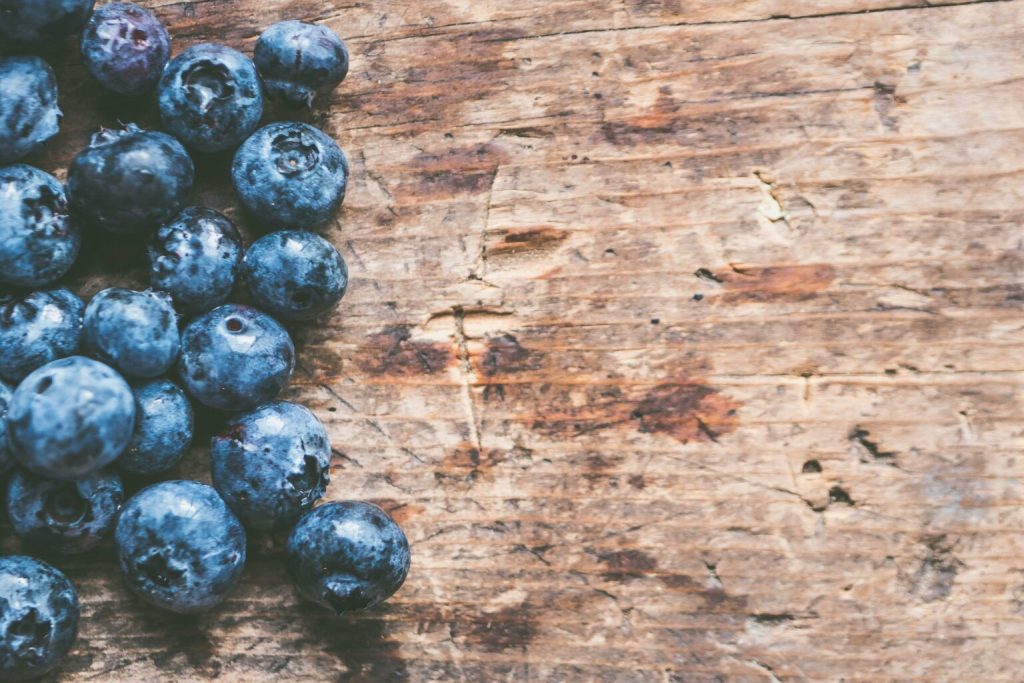
Blueberries, tiny nutritional powerhouses, are rich in anthocyanins — potent antioxidants that protect liver cells from oxidative damage, reduce inflammation, and improve metabolic function. Studies in both humans and animals indicate that daily blueberry consumption can decrease liver fat, enhance lipid oxidation, and limit lipogenesis (fat formation) in liver cells. Anthocyanins may also improve insulin sensitivity and promote healthier cholesterol profiles by lowering LDL cholesterol. Practical ways to consume blueberries include adding ½ cup to smoothies, oatmeal, or as a snack with nuts. Organic blueberries are preferred to minimize pesticide exposure, and sweetened juices should be avoided, as they can spike blood sugar and reduce fiber intake.
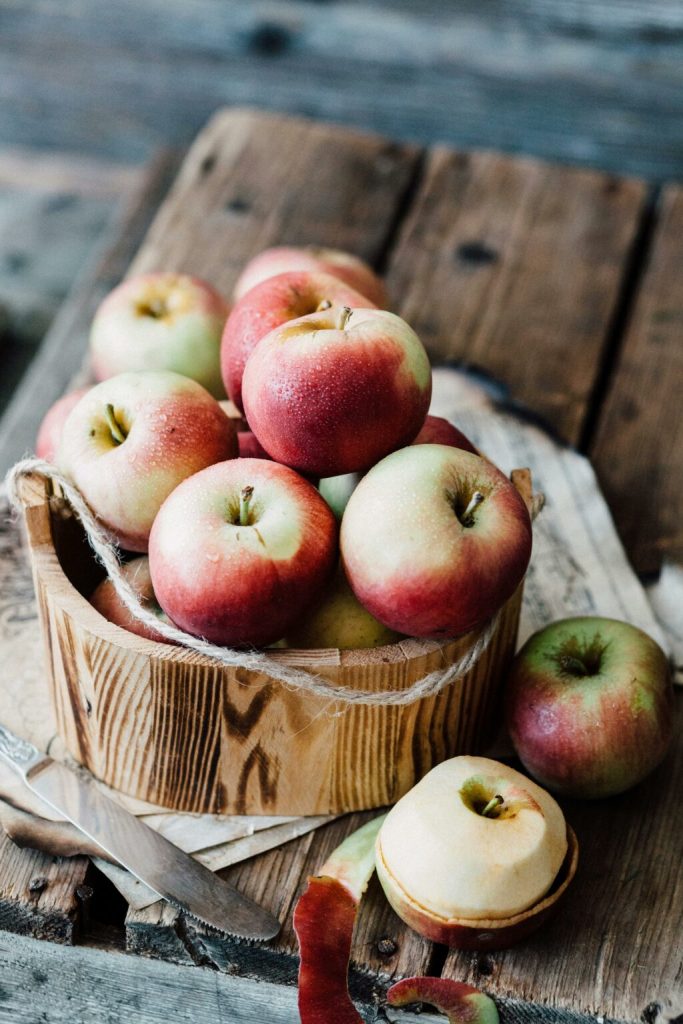
Apples provide another strong ally for liver and metabolic health, packed with pectin, a soluble fiber, and polyphenols like quercetin. Pectin binds to fats and cholesterol in the gut, limiting absorption and supporting healthy lipid levels, while polyphenols protect liver cells from oxidative stress. Regular apple consumption has been linked to lower liver fat and triglyceride levels, particularly in people carrying extra weight. Apples also aid blood sugar control by slowing carbohydrate digestion, promote satiety, and raise HDL (“good”) cholesterol, benefiting cardiovascular health. Eating whole apples with skin ensures maximum nutrient intake, and versatile preparation options include baking with cinnamon, grating into salads, or enjoying as a raw snack.
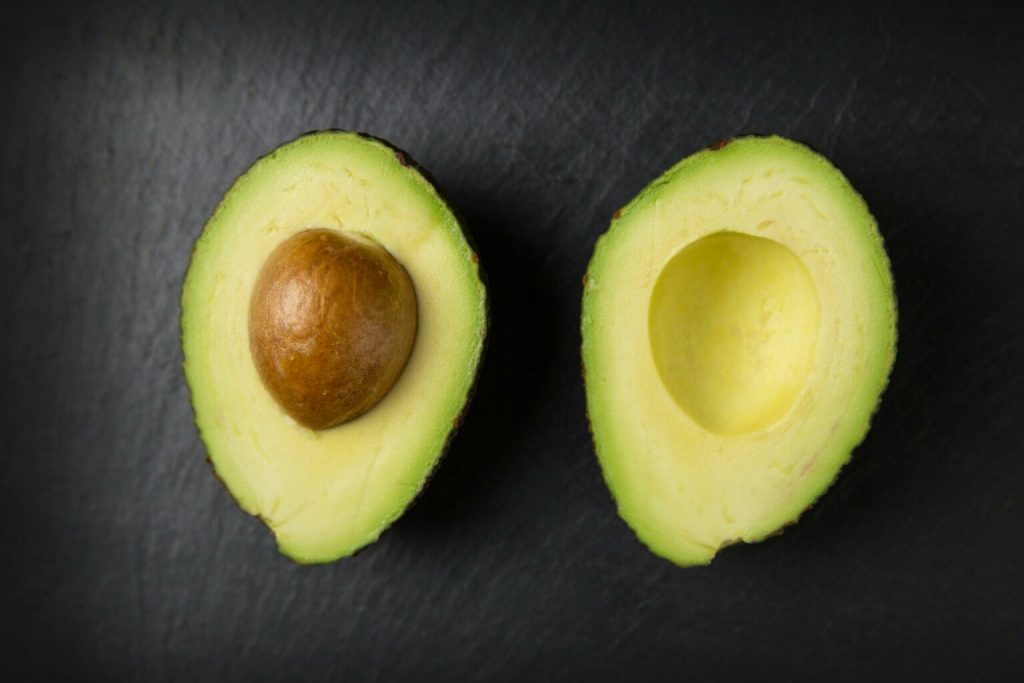
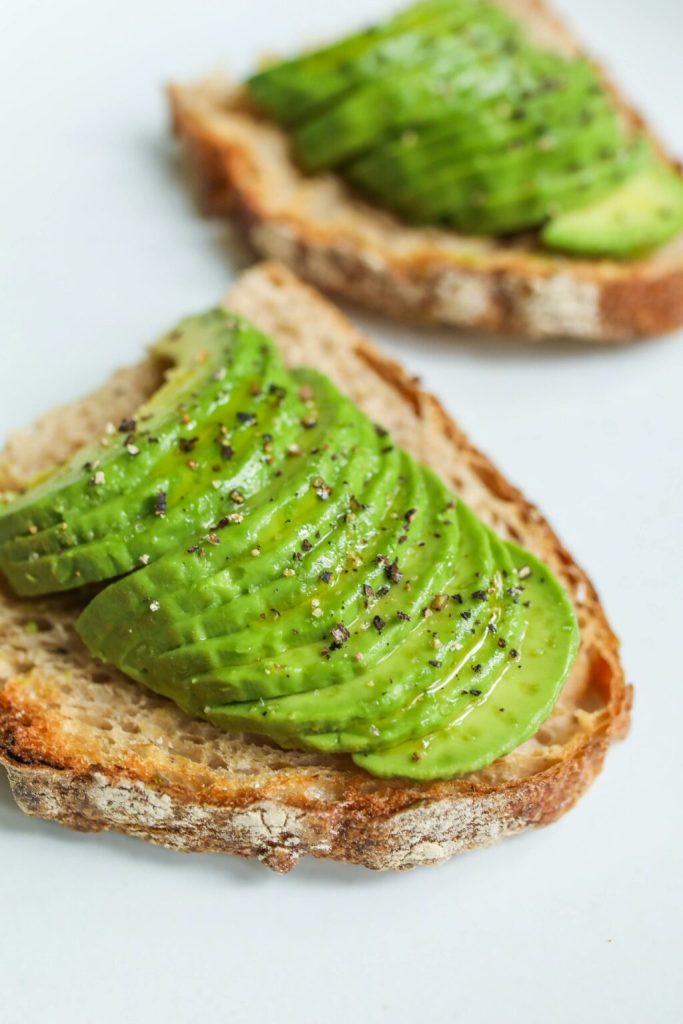
Avocados are unique for their healthy monounsaturated fats, fiber, and vitamin E content, all of which support liver and metabolic health. Scientific studies indicate that daily avocado intake improves mitochondrial function, reduces oxidative stress, enhances insulin sensitivity, and stabilizes blood sugar levels. Avocados also contribute to modest reductions in LDL cholesterol in overweight or obese adults. Their high fiber content aids satiety and weight management, a key factor in managing NAFLD. Simple ways to enjoy avocados include spreading ½ an avocado on whole-wheat toast, mixing into salads, or blending into a creamy dip with yogurt, consumed 3–5 times per week while monitoring portion size.
Combined, these fruits deliver a multifaceted approach to liver protection and metabolic balance. Blueberries supply antioxidants and anthocyanins that fight oxidative damage and inflammation. Apples provide fiber and polyphenols to reduce fat absorption, improve cholesterol, and stabilize blood sugar. Avocados offer healthy fats, vitamin E, and fiber that support mitochondrial function, liver detoxification, and insulin sensitivity. Eating these fruits consistently provides measurable improvements in liver fat, blood sugar control, and cholesterol balance. Even small, daily portions can make a notable difference over weeks, making these foods practical for long-term dietary strategies.
In addition to fruit intake, lifestyle factors amplify their benefits. Regular exercise, maintaining a healthy weight, limiting processed foods, and moderating alcohol intake all contribute to liver health. Integrating blueberries, apples, and avocados into balanced meals enhances nutrient intake while supporting natural metabolic and cardiovascular processes. While supplements exist, whole foods provide a synergy of nutrients, fiber, and bioactive compounds that research continues to highlight as essential for reversing early NAFLD and maintaining overall health. Consistency and variety are key; pairing these fruits with vegetables, lean proteins, and whole grains optimizes liver protection and metabolic resilience.
In conclusion, science supports the inclusion of blueberries, apples, and avocados as part of a daily routine for anyone looking to support liver function, regulate blood sugar, and maintain healthy cholesterol. These fruits are delicious, versatile, and nutrient-dense, offering a natural, sustainable way to combat fatty liver disease and promote long-term metabolic and cardiovascular health. By prioritizing these foods in your diet, you not only nourish your liver but also strengthen your overall well-being, making simple dietary choices a powerful tool for preventing chronic disease and enhancing vitality.