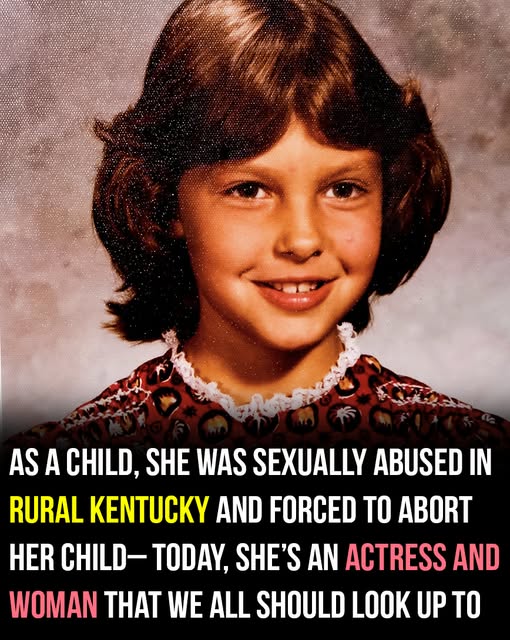
Growing up in the shadow of fame did not shield Ashley Judd from hardship; in many ways, it intensified it. Born in Los Angeles in 1968 to a mother who would later become a country music icon, Judd’s earliest years were marked not by privilege but by instability. After her parents divorced when she was four, her childhood fractured into a patchwork of uncertainty. She and her sister moved to Kentucky, where money was scarce and daily life revolved around survival rather than dreams. Food was inconsistent, electricity sometimes nonexistent, and clothing was second-hand by necessity, not choice. Despite her proximity to the arts through her mother, Ashley’s formative years were defined less by creativity and more by deprivation, displacement, and a deep sense of insecurity that followed her wherever she went.
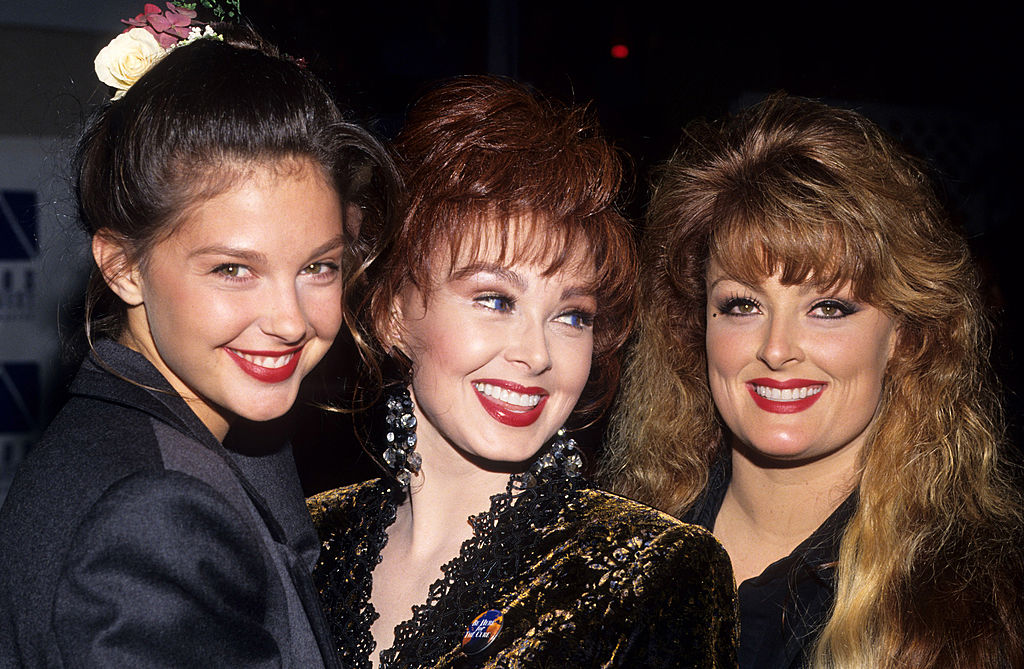
As her mother’s career slowly gained momentum, the turbulence in Ashley’s life only grew. Fame brought movement, not safety. By the time she reached adulthood, she had attended thirteen different schools, never staying long enough to feel rooted or secure. When her mother toured, Ashley was passed between relatives and caretakers, including an absent father struggling with substance abuse. Loneliness became a constant companion. In her memoir All That Is Bitter & Sweet, she described feeling like an observer in her own childhood, watching her mother chase dreams while she absorbed the chaos left behind. The instability was not only emotional but deeply damaging, creating an environment where boundaries were blurred and safety was never guaranteed.
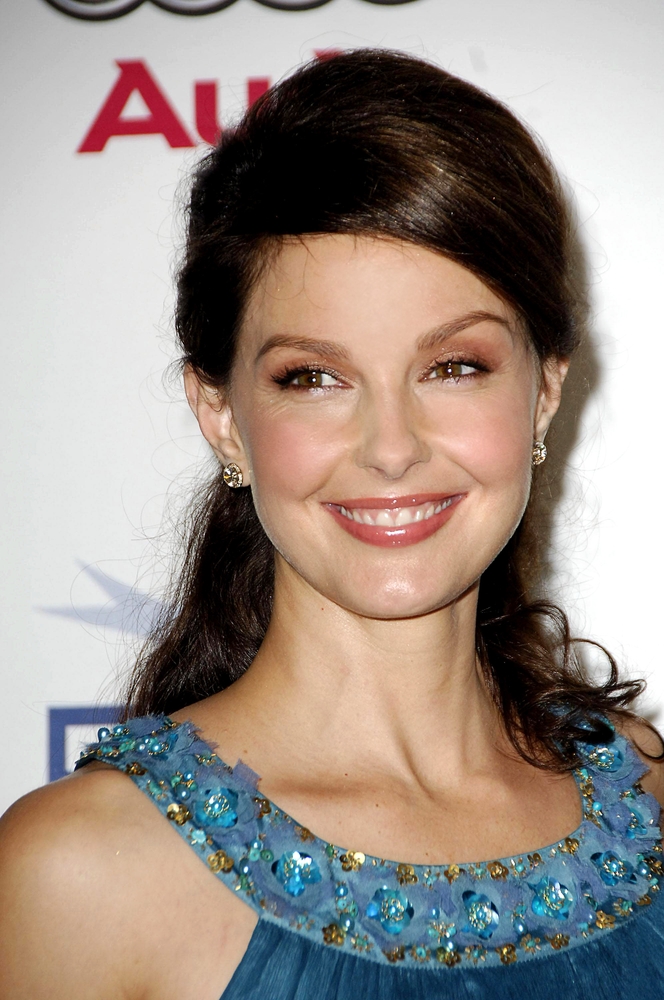
The darkest chapters of Judd’s early life were not revealed until years later, when she chose to speak openly about the abuse she endured. She has described being sexually abused by a family member beginning at the age of seven, followed by two rapes at fourteen. One of those assaults resulted in pregnancy, a trauma compounded by the terrifying legal reality that she might have been forced to co-parent with her rapist due to state laws. These experiences carved wounds that could not be hidden behind success or beauty. She also spoke of growing up in a household where sexual boundaries were violated in more subtle but equally damaging ways, later recognizing it as covert sexual abuse. These revelations shattered the myth of the carefree Hollywood upbringing and exposed the silent suffering behind the public image.
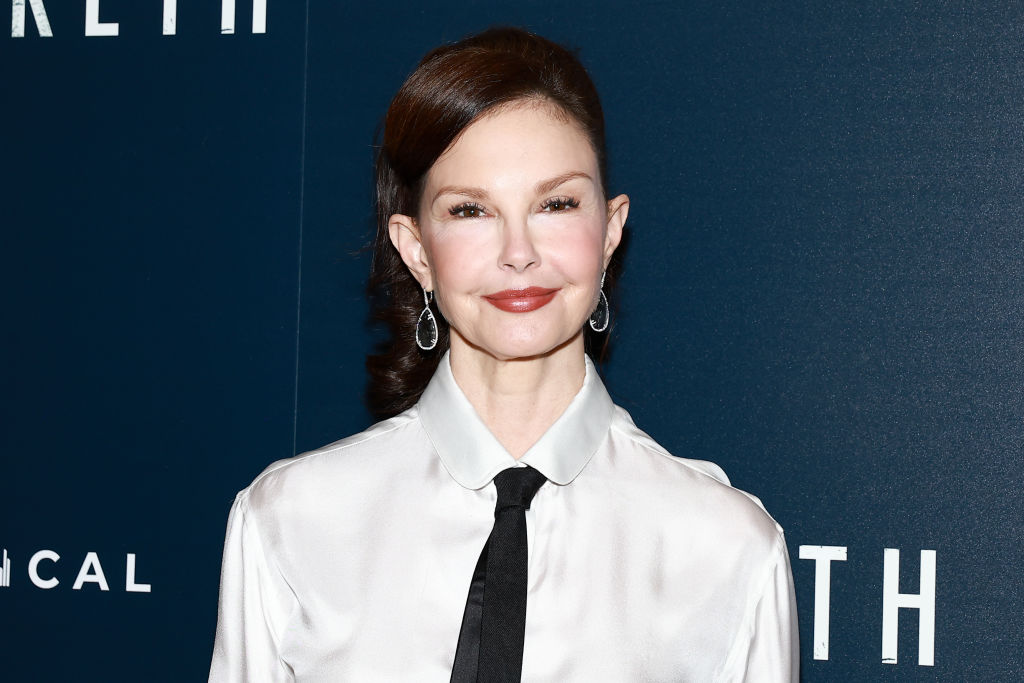
Despite carrying this immense pain, Ashley Judd refused to be defined by it. With no industry connections, minimal training, and just $250 to her name, she moved to Hollywood determined to build a life on her own terms. She worked as a hostess, studied acting relentlessly, and lived modestly while chasing opportunity. Her breakthrough came in 1993 with Ruby in Paradise, a low-budget independent film that mirrored her own story of survival and self-discovery. The performance was raw, intimate, and unflinchingly honest, earning her the Independent Spirit Award and announcing her arrival as an actor of depth rather than decoration. Throughout the late 1990s, she became known for portraying women who fought back, refused victimhood, and demanded agency in films like Kiss the Girls and Double Jeopardy.
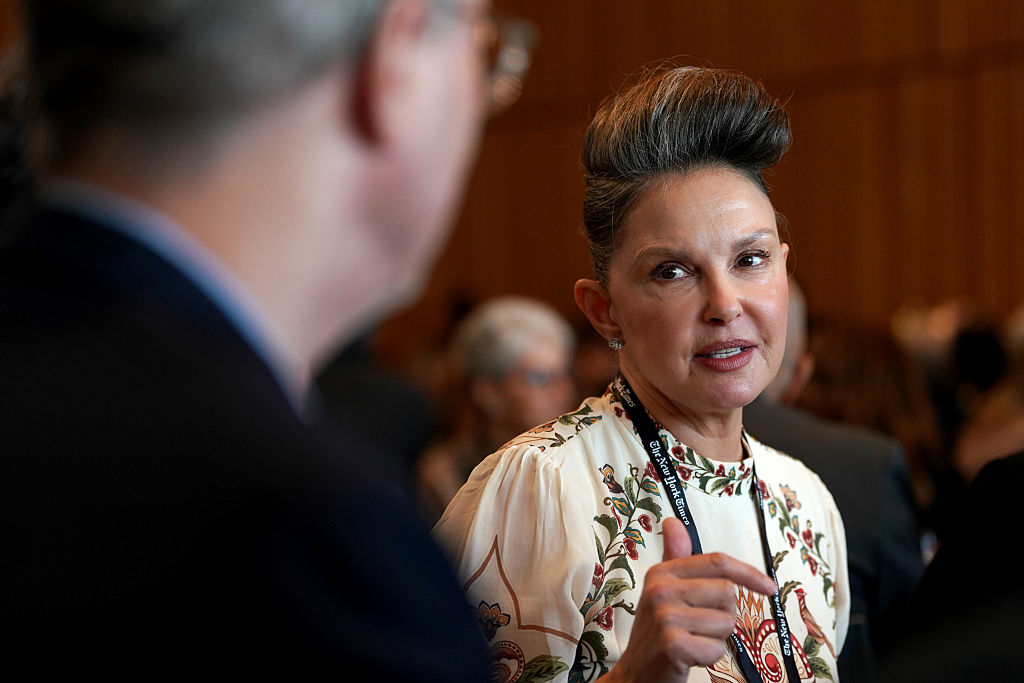
Yet success did not erase the past. Behind the red carpets and box office numbers, Judd was unraveling. In 2005, she sought treatment for depression and unresolved trauma, a decision she later described as life-saving. Healing forced her to confront memories she had buried for decades, but it also gave her clarity and strength she had never known. She emerged not only healthier but transformed, shifting her focus beyond Hollywood. Acting became secondary to activism. She dedicated herself to humanitarian work, traveling to some of the world’s most dangerous regions to support survivors of sexual violence, poverty, and war. She did not arrive as a celebrity but as a listener, sitting on dirt floors and bearing witness to stories that mirrored her own pain in different forms.
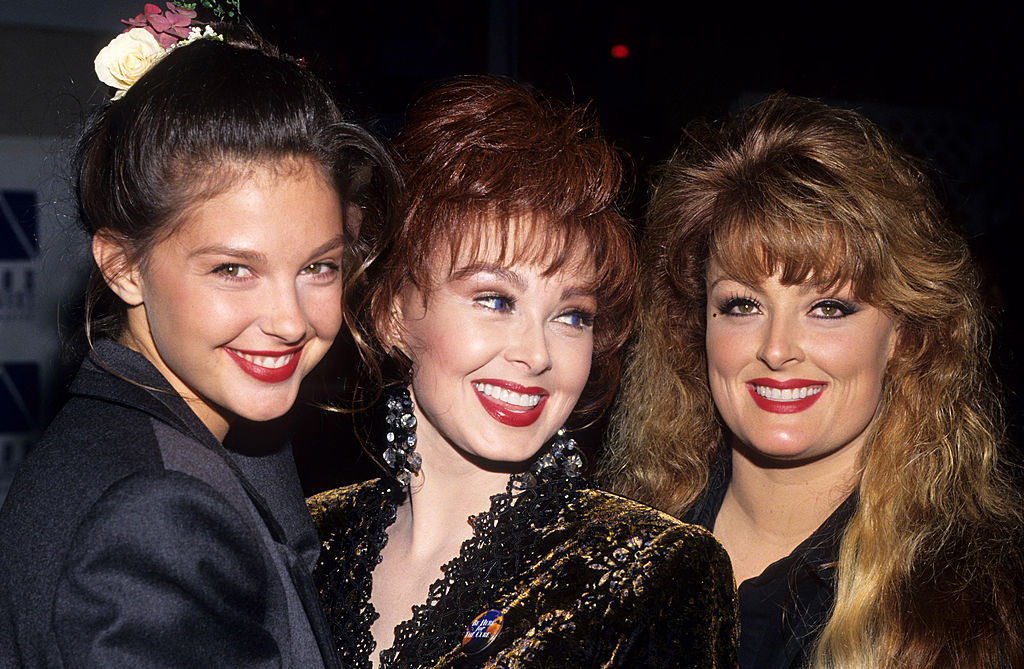
When the #MeToo movement erupted, Ashley Judd’s voice carried particular weight. Years earlier, she had accused Harvey Weinstein of sexual harassment, knowing full well it could destroy her career. It did. She was quietly blacklisted, her opportunities evaporating. But when others began to speak, Judd stood firm, refusing silence or retreat. Her testimony helped expose systemic abuse embedded in Hollywood’s power structures. Even then, she remained clear that her goal was not revenge but accountability and change. Today, her legacy extends far beyond film. She is a survivor who became a catalyst, a woman who transformed suffering into service, and a reminder that resilience is not about forgetting pain but choosing to rise with it. Ashley Judd’s life dismantles the illusion of Hollywood perfection and replaces it with something far more powerful: truth, courage, and an unbreakable will to keep going.