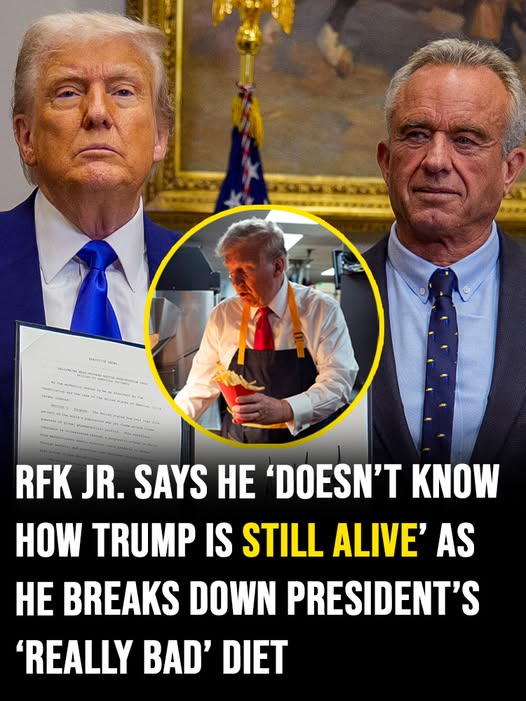
Donald Trump’s eating habits have long been part of his public mythology, discussed almost as often as his political instincts or rhetorical style. From burgers and fries to well-done steaks with ketchup, his preferences have been documented, joked about, and criticized for years. Yet when Robert F. Kennedy Jr., now serving as U.S. Health Secretary, remarked that he “doesn’t know how Trump is still alive” given his “really bad” diet, the comment struck a different nerve. It was not an attack from an opponent or a punchline from a late-night host, but an observation from the nation’s top health official, spoken with a mix of disbelief and admiration. In a political culture where image and health are tightly intertwined, the remark reopened a familiar question: how does a man whose diet defies nearly every nutritional guideline remain so visibly energetic at nearly eighty?
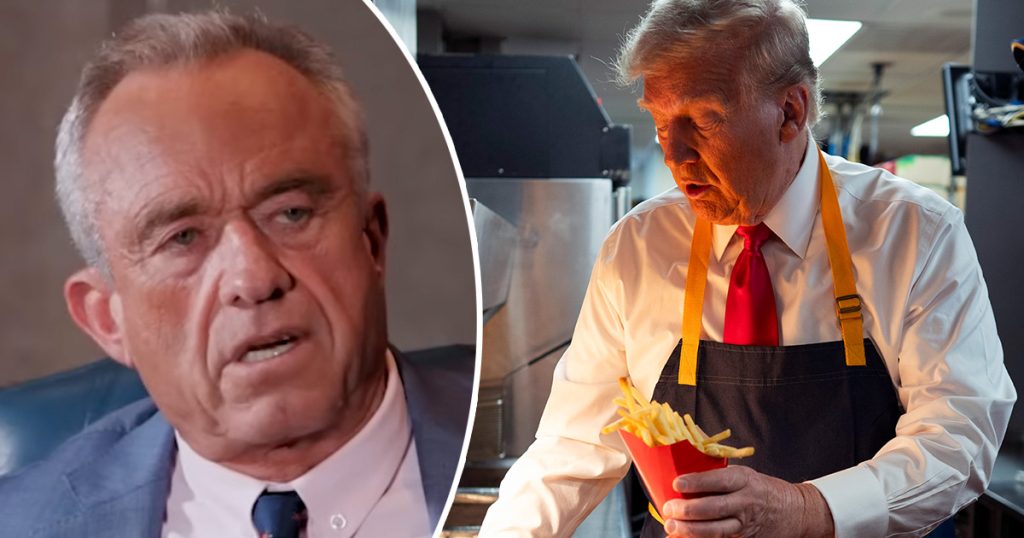
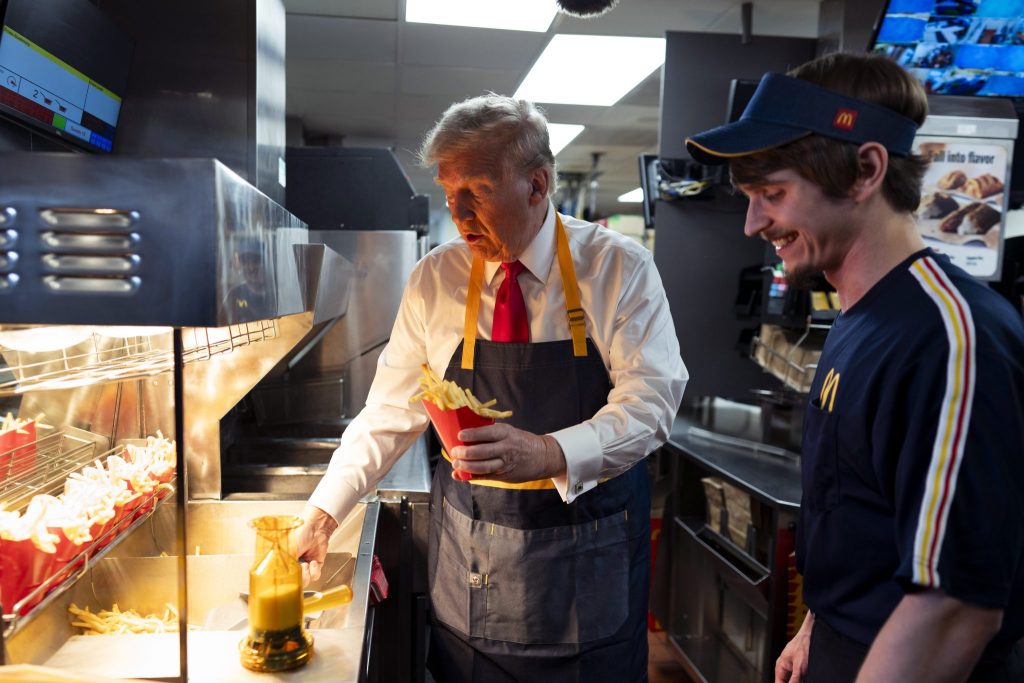
Trump’s fondness for fast food is no secret, nor has he ever attempted to conceal it. He has praised McDonald’s openly, once calling the Quarter Pounder “great stuff,” and has frequently framed his loyalty to the brand as both a personal taste and a practical choice. During his 2024 campaign, he even worked briefly behind the counter at a McDonald’s in Pennsylvania, turning a meal preference into a campaign moment. Reports from aides and journalists over the years describe routine orders of Big Macs, Filet-O-Fish sandwiches, fries, Egg McMuffins, and chocolate shakes, often accompanied by Diet Coke. To nutritionists, the menu reads like a cautionary tale; to Trump, it has long represented reliability, familiarity, and control. According to accounts from former staff, his preference is rooted partly in a fear of food tampering, with large chains offering a sense of predictability that private kitchens do not.
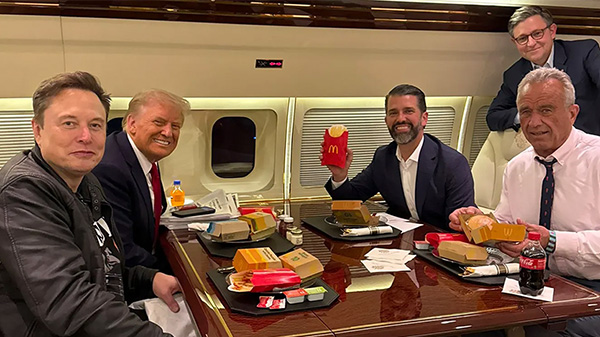
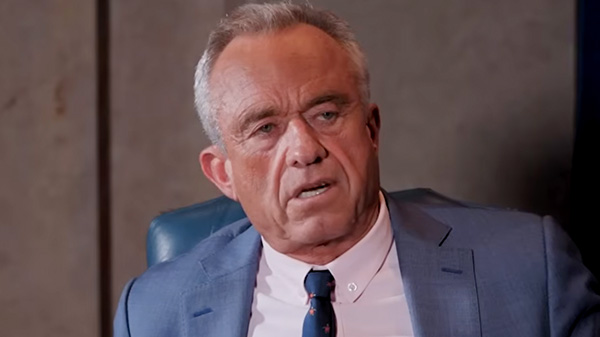
The contradiction between Trump’s diet and his apparent stamina has fascinated observers across political and cultural lines. He does not present as frail, nor does he appear slowed in the way many expect from someone approaching eighty. RFK Jr.’s comments captured that paradox directly, describing Trump as someone who seems to “pump himself full of poison all day long” while remaining “the most energetic person any of us have ever met.” The Health Secretary’s words were striking not just for their bluntness, but for their tone. Rather than moral condemnation, they carried an almost anthropological curiosity, as if Trump were an anomaly challenging established assumptions about health, nutrition, and longevity. In an era obsessed with optimization, supplements, and wellness trends, Trump’s example feels almost heretical.
At the same time, Kennedy’s remarks landed amid his own push to reshape America’s dietary guidelines. His emphasis on whole foods, protein, and healthy fats, alongside a call to reduce ultra-processed foods, places him firmly in opposition to the kind of diet Trump is famous for. That tension highlights a broader cultural disconnect between policy ideals and personal behavior, especially among powerful figures. Trump, according to Kennedy, insists that his fast-food habits are mostly limited to travel, and that he eats “really good food” at Mar-a-Lago and the White House. What that means in practice remains vague, but the claim itself underscores a familiar theme: public figures often navigate between indulgence and discipline in ways that defy simple narratives.
The fascination with Trump’s diet also reveals something deeper about how Americans think about health and morality. Food choices are rarely treated as neutral; they are imbued with judgments about discipline, intelligence, and self-respect. Trump’s unapologetic embrace of fast food has long been interpreted by critics as evidence of recklessness or disregard for expert advice. Supporters, meanwhile, often frame it as authenticity, a refusal to perform elite tastes. RFK Jr.’s astonishment complicates both readings. If Trump truly thrives on a diet most experts would discourage, what does that say about the universality of nutritional rules? Are genetics, stress tolerance, and temperament as influential as diet itself? Or is Trump simply an outlier whose example should not be mistaken for guidance?Ultimately, the exchange between Kennedy and Trump’s public image says as much about American culture as it does about nutrition. It reflects a society torn between reverence for expertise and fascination with exceptions, between evidence-based guidance and stories that seem to contradict it. Trump’s survival on burgers and Diet Coke has become a kind of modern folklore, a symbol of his defiance of norms in every arena, including health. RFK Jr.’s remark did not resolve that tension; it amplified it, inviting both skepticism and wonder. In the end, Trump’s diet functions less as a medical case study than as a cultural mirror, reflecting how power, personality, and perception can override even the most deeply ingrained assumptions about how the body is supposed to work.