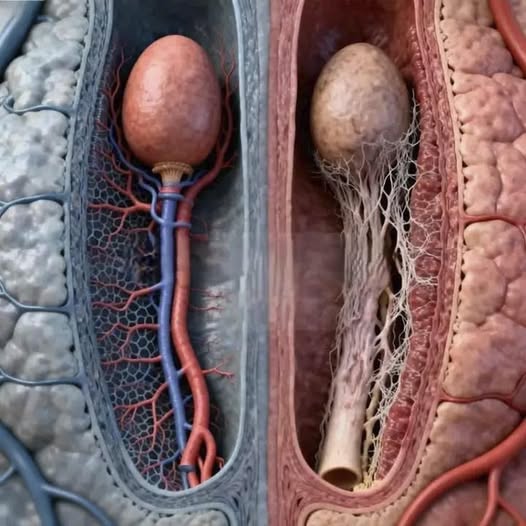
For centuries, the human body has been recognized as a sophisticated network of organs and systems that maintain life silently, without demanding constant attention. Among these, the kidneys are often overlooked despite their indispensable role in sustaining health. Each day, without fanfare, they filter the blood, remove toxins, balance fluids, regulate critical electrolytes, and contribute to hormonal systems that influence blood pressure, red blood cell production, and bone health. This quiet, relentless work renders kidney function largely invisible until problems arise, and by that point, damage is often significant. Unlike an acute injury that causes immediate pain or an infection that provokes obvious symptoms, kidney disease typically develops gradually. Its stealthy progression makes it one of the most underestimated threats to long-term health, vitality, and survival. Understanding the kidneys’ roles, vulnerabilities, and the impact of lifestyle on their function is therefore not just a medical concern—it is a fundamental guide to preserving energy, cognitive clarity, and longevity.
The kidneys’ structure is a testament to biological precision. Each organ contains millions of nephrons, microscopic filtering units that remove waste while conserving vital nutrients. This filtration is highly selective, allowing the body to retain necessary electrolytes, proteins, and water while eliminating metabolic byproducts. They maintain acid–base balance, which stabilizes internal chemistry even when diet, activity, or environment fluctuates. Healthy kidneys effortlessly adjust to changes in hydration, physical exertion, and temperature, demonstrating remarkable resilience. Yet this resilience has limits. Chronic exposure to stressors such as high sodium intake, persistent sugar consumption, and systemic inflammation can gradually overwhelm the kidneys. High salt levels force water retention, increasing vascular pressure, while excessive sugar damages delicate capillaries, reducing filtration capacity over time. Sedentary lifestyles, combined with poor nutrition, exacerbate inflammation and metabolic strain, further compromising renal efficiency. The gradual nature of kidney injury is what makes it particularly insidious: the body compensates for functional loss for years, masking the problem until it becomes severe, irreversible, or life-altering.
Modern living has intensified these risks, creating conditions in which kidney strain is nearly unavoidable. Highly processed foods dominate diets globally, delivering excessive sodium, refined carbohydrates, and harmful fats while offering little nutritional value. These dietary patterns compel the kidneys to work harder to maintain homeostasis. Simultaneously, chronic dehydration has become widespread, as many people replace water with caffeinated drinks, sugary beverages, or alcohol, underestimating their fluid requirements. Inadequate hydration concentrates toxins in the blood, increasing the likelihood of kidney stones, tissue injury, and long-term functional decline. A lack of physical activity compounds these issues by promoting weight gain, insulin resistance, elevated blood pressure, and systemic inflammation. Even stress, now normalized as part of modern life, disrupts hormonal pathways affecting blood pressure and kidney function. Each factor may seem manageable individually, but together, they create a perfect storm that silently erodes renal resilience over decades, often without immediate warning or overt symptoms.
Among the most critical threats to kidney health are high blood pressure and elevated blood sugar, conditions that frequently manifest without discomfort. Hypertension damages renal blood vessels, reducing filtration efficiency, while diabetes exposes kidney tissue to persistently high glucose levels, leading to scarring and functional decline. Both conditions often progress quietly, with early damage going undetected. Routine screenings and regular medical check-ups are essential, yet many individuals postpone these evaluations until noticeable symptoms appear. Misconceptions about age-related vulnerability further delay attention: kidney problems are mistakenly believed to affect primarily older adults, even as a rising number of young and middle-aged adults present with early-stage kidney disease. This demographic shift underscores the importance of viewing kidney health as a lifelong responsibility, emphasizing early lifestyle adjustments to prevent long-term consequences rather than reacting only when severe damage is evident.
Medication use, often underestimated, is another hidden contributor to renal strain. Non-steroidal anti-inflammatory drugs (NSAIDs) and other over-the-counter painkillers, when used frequently or without professional guidance, can reduce renal blood flow and damage tissues over time. What starts as an attempt to manage discomfort can gradually erode kidney function, particularly in combination with dehydration, poor diet, or existing health conditions. Awareness of these risks is limited, leading many to assume such medications are completely safe. Similarly, subtle early warning signs—mild swelling, changes in urination, persistent fatigue, or difficulty concentrating—are often ignored or attributed to stress. By the time they prompt action, kidney function may already be compromised. Education and proactive monitoring play a critical role in mitigating these risks, empowering individuals to recognize early indicators and implement preventive strategies, from lifestyle modification to medical consultation.
Prevention remains the most effective approach to sustaining kidney health, and it largely falls within individual and community control. Simple, actionable habits can significantly reduce the risk of kidney damage: adequate hydration, balanced nutrition, regular exercise, responsible medication use, and diligent monitoring of blood pressure and glucose levels. Early medical screenings allow detection when interventions are most effective, transforming potential crises into manageable challenges. On a societal level, promoting kidney health requires reframing healthcare culture to prioritize prevention, education, and awareness. Understanding how daily choices accumulate over time empowers individuals and families to safeguard kidney function, support metabolic balance, maintain energy and cognitive clarity, and reduce reliance on intensive medical interventions later in life. By adopting these measures, communities foster resilience that spans generations, emphasizing long-term wellbeing rather than short-term convenience or comfort.
Ultimately, the kidneys serve as silent witnesses to our lifestyle decisions, quietly reflecting the cumulative effects of diet, hydration, activity, stress, and medical practices. Their health is intimately linked to longevity, quality of life, and the ability to maintain independence in later years. As awareness grows, so does the opportunity for meaningful change: individuals can adopt preventive habits, families can model healthier patterns, healthcare systems can prioritize early detection, and communities can cultivate environments that support renal wellbeing. The stakes are high, but the potential rewards—sustained vitality, cognitive clarity, metabolic balance, and reduced chronic disease burden—underscore the kidneys’ essential role in human life. By listening to their silent signals and taking responsibility for daily habits, we can protect these remarkable organs, preserve our energy and health, and pass a legacy of resilience and wellbeing to future generations.