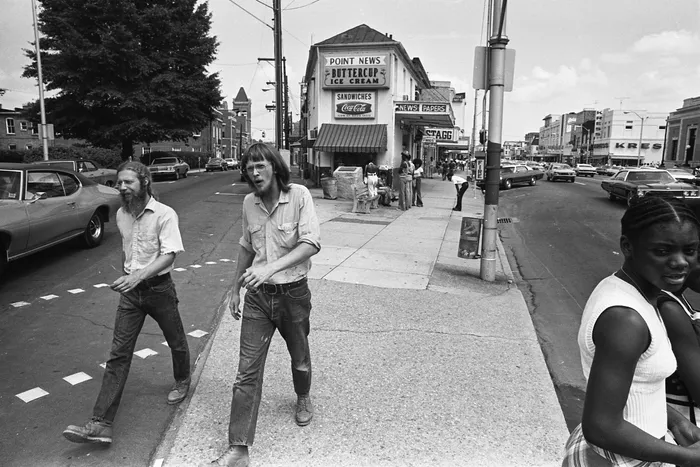
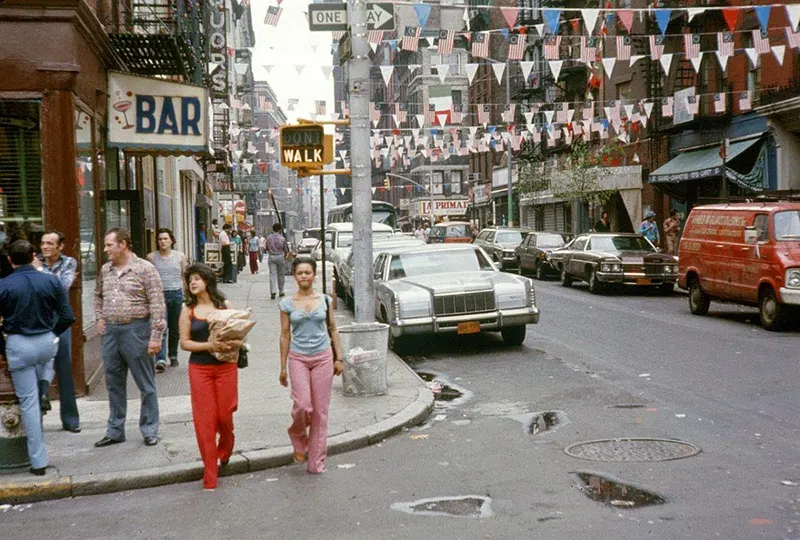
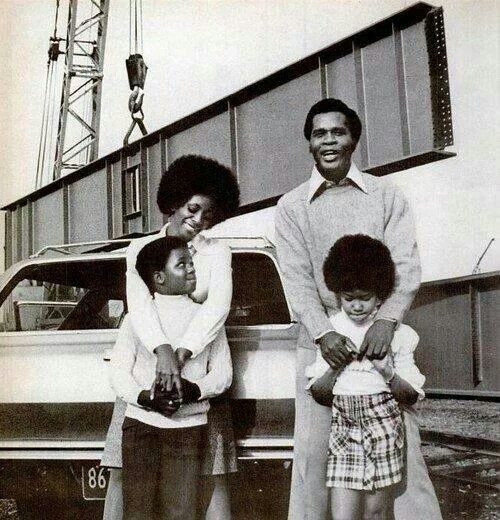
Flipping through old photo albums from the 1970s, one striking observation emerges: people were leaner, more active, and physically balanced, not just athletes but everyday individuals. Life itself encouraged movement, moderation, and rhythm, shaping the body naturally. Daily life patterns, rather than diet fads or extreme discipline, underpinned energy balance and maintained healthier body weights across generations. The era’s lifestyle fostered incidental physical activity, simple nutrition, and structured routines, all contributing to naturally balanced health.
Physical activity in the 1970s was incidental and built into life. Walking to school, running errands, climbing stairs, and moving through work environments meant daily exercise was unavoidable. Children explored neighborhoods for hours, while adults carried groceries, walked to buses, and engaged in manual labor. These activities, though not formal “exercise,” generated cardiovascular health, muscle tone, and energy expenditure effortlessly, creating a foundation that modern sedentary lifestyles often lack.
Nutrition reflected simplicity and freshness. Meals relied on fresh fruits, vegetables, eggs, dairy, and meats, with minimal processed foods or refined sugars. Cooking required hands-on preparation—washing, chopping, kneading, stirring—which added subtle movement while fostering awareness of ingredients. Portion sizes were modest, meals occurred at predictable times, and snacking was minimal. The environment itself encouraged moderation, reinforcing natural hunger cues and satiety without strict dieting or calorie tracking.
Screen time and digital distractions were limited, naturally promoting engagement with the real world. Television followed scheduled programs, children spent hours outdoors, and social interaction was prioritized. The combination of activity, consistent sleep patterns, and real-world engagement helped regulate metabolism, hunger, and stress. Stress was addressed through action—gardening, conversation, walking—not through snacking or screens, supporting emotional and physical well-being simultaneously.
Modern lessons emerge clearly: integrate movement into daily routines, cook with fresh ingredients, practice mindful eating, manage screen time, prioritize sleep, and find active, creative outlets for boredom and stress. Even brief walks, stair climbing, and hands-on meal preparation can replicate the benefits of 1970s lifestyles, improving energy balance, mood, and long-term health outcomes. These small, intentional changes counter sedentary, overstimulated modern environments without extreme measures.
Ultimately, the lower body weights and physical resilience of the 1970s were not the result of secret knowledge or moral superiority. They reflected environments that naturally encouraged activity, simple nutrition, and predictable rhythms. By applying these timeless principles today, individuals can enhance health, maintain energy, and achieve sustainable weight management, demonstrating that lifestyle design—more than effort or willpower—remains the key to long-term well-being.