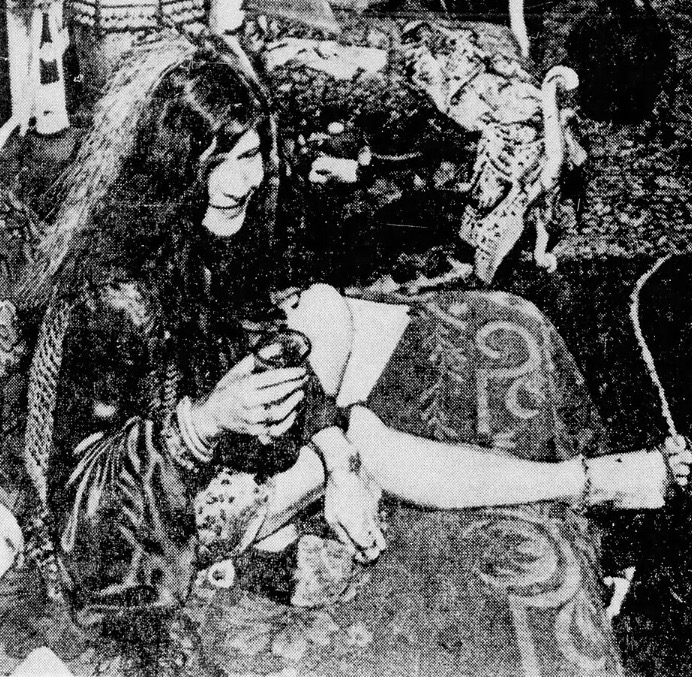
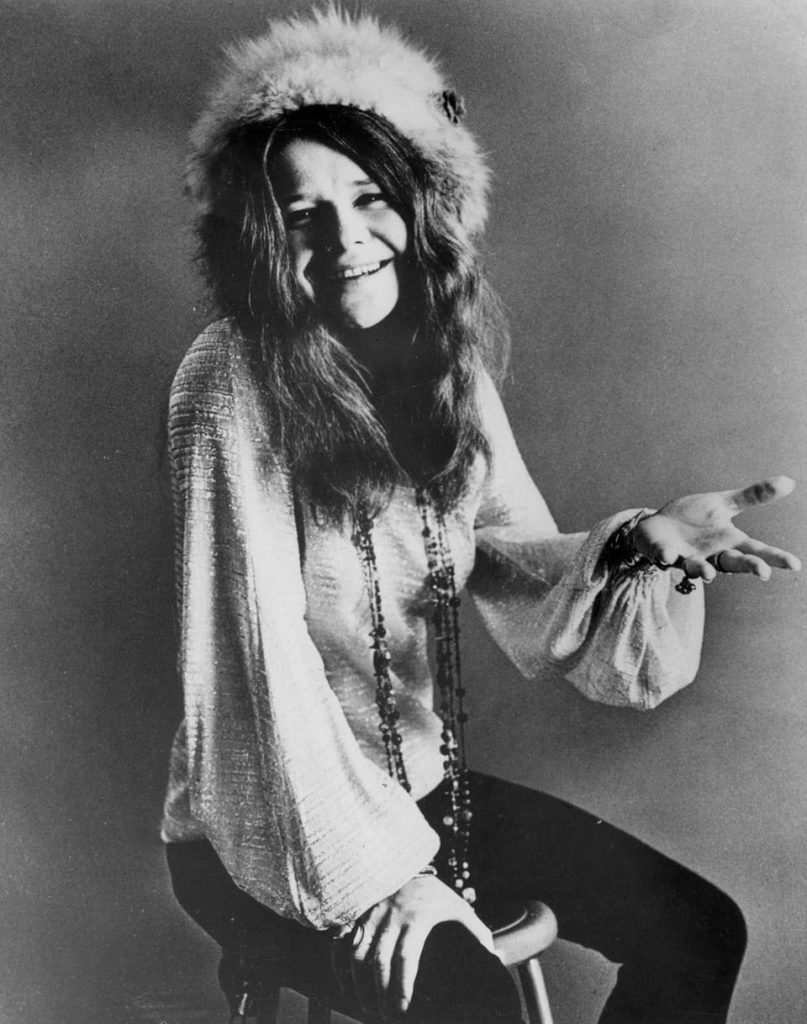
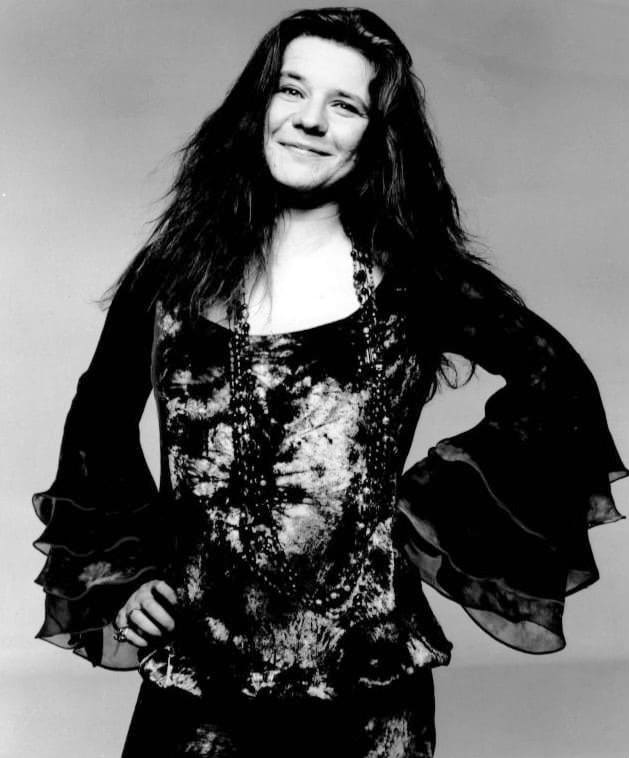
Janis Joplin entered the world on January 19, 1943, in Port Arthur, Texas, to a conservative, working-class family that valued faith and tradition. Her early life seemed ordinary, but Janis was never destined to fit comfortably into convention. From a young age, she gravitated toward music, poetry, and ideas that set her apart from her peers, seeking inspiration in jazz, blues, and literature rather than local social norms. Even as a child, she possessed a singular presence: thick hair, soulful eyes, and a voice that hinted at power far beyond her years. Yet the world around her was quick to misjudge, and cruel labels began shaping her adolescence before she could defend herself.
During her teenage years, Janis endured relentless bullying and social rejection. Acne scars, unconventional habits, and a free-spirited attitude marked her as an outsider. She became Port Arthur’s first female beatnik, skipping bras, laughing loudly, frizzing her hair in the oven, and rejecting societal expectations with defiance. Friends who saw her true self never doubted her beauty or talent, but classmates and even some family members often ridiculed her appearance. Humiliating experiences, like nearly being voted “the ugliest man on campus” in college, cemented her outsider status. Despite these attacks, Janis clung to music as a sanctuary, honing her voice, developing her stage presence, and nurturing a creativity that refused to be silenced by superficial judgments.
In 1963, Janis left Texas behind, hitchhiking to San Francisco to pursue a life immersed in music. She survived in coffeehouses, performing tirelessly while scraping by on kindness and minimal earnings. Record labels largely ignored her at first, dismissing her raw style and unpolished image, but the underground scene embraced her. The city exposed her to new freedoms and vices alike, including heavy drinking and drug use, which would become a coping mechanism for stress and isolation. Yet every performance revealed the extraordinary power of her voice—a voice capable of conveying raw vulnerability and emotional intensity. Her struggles with substance abuse, though tragic, were inseparable from her journey toward artistic authenticity and self-expression.
Janis’s breakthrough came with Big Brother and the Holding Company, culminating in her legendary 1967 Monterey Pop Festival performance. Originally slated for a modest slot, her electrifying presence forced the band onto the prime evening stage, instantly attracting industry attention. The world took notice: the girl once derided for her looks was now magnetic, fearless, and celebrated as the embodiment of countercultural rebellion. Rolling Stone, Newsweek, and other media cemented her image as a rock icon, the first woman to achieve true superstardom in a male-dominated arena. Her fame, however, did not erase her vulnerabilities, particularly her yearning for parental approval, but it gave her a platform to transform personal pain into universal art.
Following her success with Big Brother, Janis pursued solo projects with the Kozmic Blues Band and later the Full Tilt Boogie Band. Hits like “Piece of My Heart,” “Cry Baby,” “Ball and Chain,” and “Summertime” demonstrated her unparalleled ability to channel raw emotion, blending blues, rock, and soul in ways that reshaped popular music. Her posthumous single “Me and Bobby McGee” reached No. 1, and “Mercedes Benz” remains a hauntingly simple testament to her artistry. Janis’s music embodied longing, rebellion, and liberation, reflecting a life constantly negotiating fame, self-expression, and personal demons. Every note she sang was a challenge to conformity, a reclamation of power from a world that had once dismissed her.
Tragically, Janis Joplin’s life was cut short on October 4, 1970, at age 27, due to a heroin overdose in Los Angeles. Cremated in the city, her ashes were scattered over the Pacific Ocean, a final act of freedom reflective of a life lived on her own terms. Though her time was brief, her influence remains vast: she reshaped ideas of female power, authenticity, and beauty, leaving a legacy that continues to inspire musicians, artists, and fans worldwide. Janis’s story reminds us that societal judgments are fleeting, but courage, talent, and the refusal to conform endure forever.
Janis Joplin was never simply a performer. She was a force—a voice that refused to be silenced, a woman who transformed rejection into artistry, vulnerability into strength, and isolation into connection. Her journey from being called “ugly” to becoming an iconic figure in rock music proves that true power is not granted by appearance or approval but earned through relentless authenticity, fearless expression, and the unwavering courage to embrace one’s self, entirely and unapologetically.