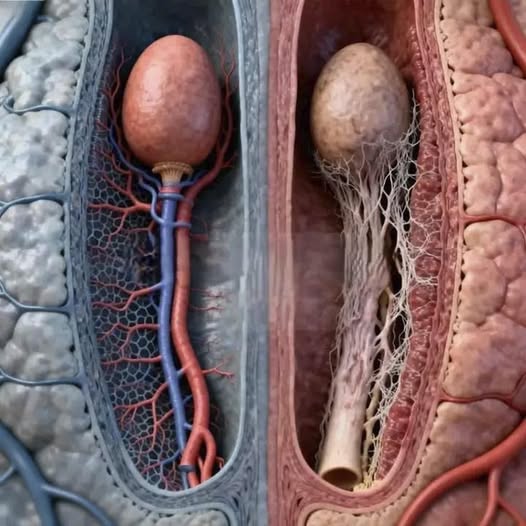
For much of human history, the body has been understood as a collection of systems that operate quietly in the background, sustaining life without demanding constant attention. Among these systems, the kidneys stand out as remarkably efficient yet consistently overlooked organs. They work continuously, filtering blood, removing waste products, balancing fluids, regulating electrolytes, and producing hormones essential for blood pressure control and red blood cell formation. Because this work happens silently and without conscious sensation, people rarely reflect on kidney health unless something goes wrong. This absence of warning is precisely what makes kidney-related disease so dangerous. Unlike injuries that produce immediate pain or illnesses that announce themselves through fever and discomfort, kidney damage often progresses invisibly. Years can pass while filtration efficiency slowly declines, all without noticeable symptoms. By the time fatigue, swelling, or changes in urination appear, substantial and sometimes irreversible harm may already have occurred. This gap between importance and awareness has led to a widespread underestimation of kidney health, despite the fact that these organs play a central role in energy levels, mental clarity, immune resilience, cardiovascular stability, and long-term survival. Understanding the kidneys is therefore not merely a medical concern but a fundamental lesson in how daily habits shape the body over a lifetime.
At a deeper physiological level, the kidneys are far more than simple waste filters. Each kidney contains millions of microscopic structures that work together with extraordinary precision, deciding what to eliminate and what to preserve. They remove toxins, excess salts, and metabolic byproducts while retaining proteins, minerals, and fluids essential for survival. They also regulate the body’s acid–base balance, preventing dangerous shifts that could disrupt cellular function. When healthy, the kidneys adapt seamlessly to changes in water intake, physical exertion, climate, and diet. This adaptability, however, is not limitless. Continuous exposure to unhealthy conditions gradually overwhelms these delicate systems. Diets high in sodium force the kidneys to retain water, raising blood volume and increasing pressure within blood vessels. Excess sugar damages the tiny capillaries that nourish kidney tissue, impairing filtration over time. Chronic low-grade inflammation, often driven by poor nutrition, stress, and inactivity, further weakens kidney resilience. What makes this process particularly insidious is the body’s ability to compensate. One kidney can shoulder the burden of both, and damaged tissue can be bypassed for years. This compensation masks early injury, allowing harmful patterns to continue unchecked until a critical threshold is reached, at which point recovery becomes far more difficult.
Modern lifestyles have created an environment in which kidney stress is not the exception but increasingly the norm. Highly processed foods dominate global diets, delivering excessive salt, refined carbohydrates, preservatives, and unhealthy fats with minimal nutritional benefit. These foods demand constant regulatory effort from the kidneys, forcing them to work harder to maintain balance. At the same time, dehydration has become surprisingly common. Many people replace water with coffee, energy drinks, sodas, or sweetened juices, unaware that these beverages often contribute to fluid imbalance rather than correcting it. Without adequate hydration, waste products become more concentrated in the blood, increasing the risk of kidney stones, infections, and gradual tissue damage. Physical inactivity compounds the problem by promoting weight gain, insulin resistance, and vascular stiffness. Chronic stress adds another layer, activating hormonal pathways that elevate blood pressure and promote inflammation. Individually, these factors may appear manageable or even harmless. Collectively, they form a sustained assault on kidney health, quietly eroding function year after year while daily life continues uninterrupted.
High blood pressure and elevated blood sugar stand among the most significant threats to kidney health, largely because they often exist without obvious warning signs. Hypertension damages the fragile blood vessels within the kidneys, narrowing them and reducing their ability to filter efficiently. Diabetes exposes kidney tissue to persistently high glucose levels, which scar filtration structures and disrupt normal function. In both conditions, damage accumulates gradually and painlessly. Routine screenings can detect early changes, yet many people postpone medical check-ups until symptoms interfere with daily life. By that stage, kidney function may already be significantly reduced. A persistent misconception is that kidney disease primarily affects the elderly. In reality, increasing numbers of young and middle-aged adults are being diagnosed with early-stage kidney impairment linked to diet, sedentary habits, and unmanaged metabolic conditions. This shift reflects broader societal changes and underscores the need to view kidney health as a lifelong responsibility rather than an inevitable consequence of ageing.
Another frequently overlooked contributor to kidney damage is the widespread and often casual use of medications. Pain relievers, especially when taken regularly or in high doses, can reduce blood flow to the kidneys and damage tissue over time. What begins as a reasonable response to discomfort can gradually undermine kidney function, particularly when combined with dehydration, alcohol use, or existing health conditions. Because many of these drugs are available without prescription, they are often assumed to be entirely safe. The risks are rarely emphasized, and warning signs of kidney stress—such as subtle swelling, changes in urine output or color, persistent fatigue, or difficulty concentrating—are easily dismissed as consequences of stress or ageing. This normalization delays intervention and allows damage to progress. Education plays a crucial role in reversing this pattern, helping individuals understand that medications, like any powerful tool, require informed and responsible use.
Prevention remains the most effective strategy for protecting kidney health, and it is largely within individual and collective control. Simple, consistent habits—adequate hydration, balanced nutrition, regular physical activity, blood pressure and blood sugar monitoring, and cautious medication use—can dramatically reduce risk. Regular medical check-ups enable early detection, when lifestyle adjustments and treatment are most effective. Beyond individual choices, kidney health reflects broader societal values around prevention, education, and access to care. Families shape habits early in life, communities influence food environments and activity levels, and healthcare systems determine whether screening and education are prioritized. The kidneys, silent yet resilient, record the cumulative impact of these influences with remarkable accuracy. By paying attention before damage becomes visible, societies can protect not only kidney function but also vitality, independence, and quality of life across generations. In listening to these quiet organs before they fail, humanity gains an opportunity to shift from reactive medicine toward a culture of long-term wellbeing.