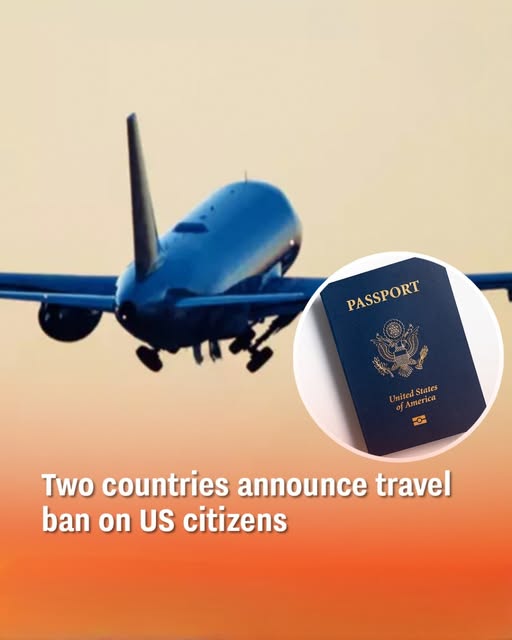
Since returning to the presidency, Donald Trump has once again placed immigration control and border enforcement at the center of his administration’s agenda. Earlier this month, the U.S. government announced a major expansion of travel restrictions, adding multiple countries to a growing list facing full or partial entry bans. With 39 nations now affected, these measures represent one of the broadest travel restriction regimes in recent U.S. history. The White House frames the policy as a national security initiative, designed to prevent potential threats, while supporters argue it pressures foreign governments to strengthen their own border controls. Critics, however, warn of diplomatic tensions, economic disruption, and the collective punishment of ordinary civilians.
Full travel bans now apply to countries including Afghanistan, Burma, Chad, Congo, Eritrea, Haiti, Iran, Libya, Somalia, Sudan, Yemen, and Syria, among others. Citizens from these nations face comprehensive visa suspensions, with only limited exceptions. Partial bans affect countries such as Angola, Nigeria, Tanzania, and Zambia, restricting certain visa categories. Officials assert that these measures address deficiencies in document security, information sharing, and compliance with U.S. standards. Yet governments and advocacy groups have criticized the lack of transparency regarding how countries are evaluated, raising questions about fairness and international cooperation.
The new U.S. restrictions have prompted immediate retaliatory measures. Mali and Burkina Faso announced reciprocal restrictions on U.S. citizens, citing national sovereignty and reciprocity. Niger has implemented a permanent ban on U.S. visa issuance, while Chad had previously suspended visas for Americans. These moves threaten to complicate U.S. strategic partnerships, disrupt tourism and business travel, and affect aid workers, journalists, and diplomats operating abroad. Analysts warn that these reciprocal policies may escalate tensions and create long-term uncertainty for global mobility.
Beyond travel bans, the Trump administration has expanded biometric security measures at U.S. airports, including facial recognition, fingerprinting, and even potential DNA collection for non-citizens. While intended to enhance border security, these measures have raised concerns over privacy, data retention, and civil liberties. Travelers and human rights organizations caution that increased surveillance may have broader implications for international relations and public trust in U.S. immigration systems.
European governments, including the United Kingdom and Germany, have issued warnings to their citizens, emphasizing that visas or ESTA approvals no longer guarantee entry into the United States. Internal U.S. memos suggest that the administration may extend restrictions to additional countries, creating further unpredictability for international travelers. Businesses and multinational organizations now face logistical challenges, as visa delays and uncertainty complicate staffing, travel planning, and cross-border operations.
Overall, these travel bans, reciprocal measures, and expanded biometric controls signal a profound shift in global mobility and diplomatic norms. They are reshaping international relations, challenging predictability for travelers, and creating complex questions for governments, businesses, and aid organizations worldwide. As policymakers navigate these restrictions, the coming months will test both the resilience of international partnerships and the ability of citizens to adapt to rapidly changing rules for global travel.