Lynda Carter’s story begins long before she became synonymous with Wonder Woman, rooted in a childhood shaped by creativity, discipline, and a quiet determination to be more than what the world initially expected of her. Born in Phoenix, Arizona, in 1951, Carter grew up immersed in music and performance, learning early how expression could be both refuge and ambition. Her crowning as Miss World USA in 1972 brought national attention, but unlike many pageant winners whose fame faded quickly, Carter saw the moment as a gateway rather than a finish line. She pursued acting and music seriously, navigating an industry that often prioritized appearance over substance. Even then, she carried an instinctive understanding that longevity would require depth, resilience, and the courage to define success on her own terms.
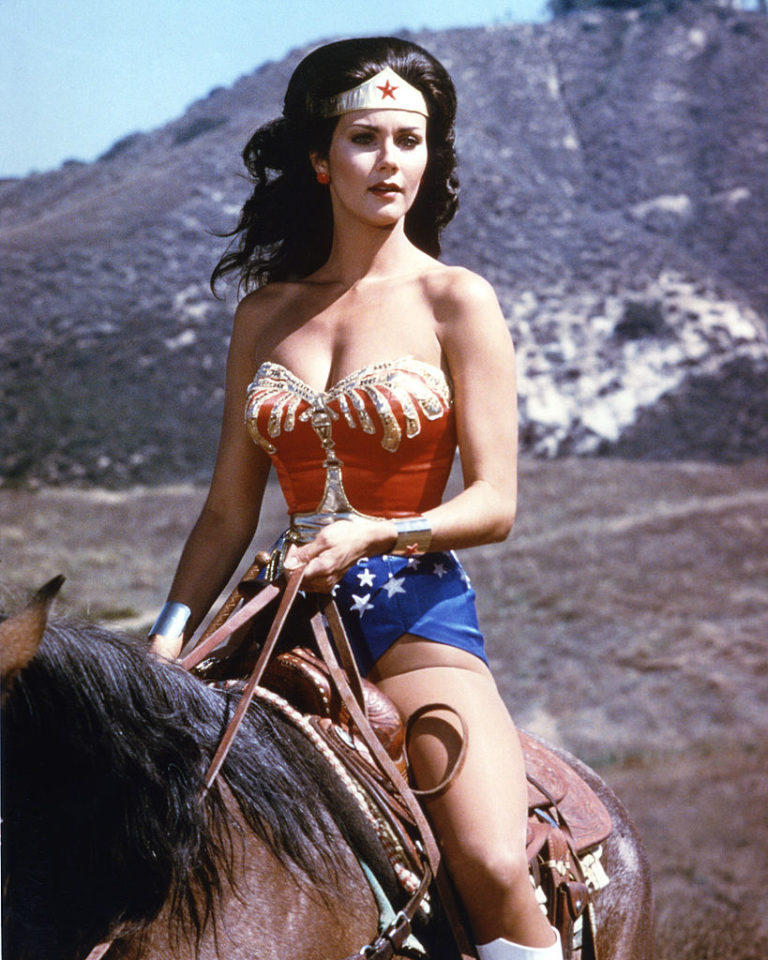
Her life changed irrevocably in 1975 when she was cast as Wonder Woman, a role that arrived at a pivotal cultural moment. Television rarely offered women characters who embodied power without sacrificing compassion, and Carter instinctively understood the responsibility that came with portraying such a figure. Her Wonder Woman was strong yet empathetic, confident without arrogance, and heroic without cruelty. The iconic costume and transformation spin became pop culture staples, but it was her presence that left the deepest impression. Viewers didn’t just admire Wonder Woman; they trusted her. For countless young girls and women, Carter’s portrayal quietly redefined what leadership and strength could look like, planting seeds of empowerment that extended far beyond the screen.
When the series concluded in 1979, Carter faced the challenge of stepping out from an iconic shadow without denying its importance. She chose a path of expansion rather than escape, building a multifaceted career that included television films, guest appearances, theater, and a renewed focus on music. Her rich, expressive singing voice led to albums and live performances that showcased another dimension of her artistry. Rather than chasing trends or clinging to past fame, Carter selected projects that aligned with her evolving sense of self. This period revealed a woman unafraid of growth, proving that reinvention does not require erasing one’s past, but integrating it into a broader, more authentic narrative.
As the years progressed, Carter’s public identity deepened through advocacy and personal candor. She became a vocal supporter of women’s rights, LGBTQ+ equality, and mental health awareness, using her platform with intention rather than spectacle. Her advocacy for Alzheimer’s research, shaped by personal loss, added a layer of vulnerability that resonated deeply with fans. Carter spoke openly about aging in Hollywood, challenging the industry’s narrow standards and rejecting the notion that relevance has an expiration date. By doing so, she reframed aging not as decline, but as accumulation—of wisdom, perspective, and purpose.
The resurgence of superhero culture in the modern era brought Wonder Woman back into the global spotlight, introducing new interpretations for new generations. Yet Carter’s influence remained unmistakable. Her public support for contemporary portrayals reflected generosity and confidence rather than defensiveness. Fans recognized that today’s heroines stand on foundations she helped build. Carter’s Wonder Woman did not compete with modern versions; it complemented them, serving as a reminder that progress is layered and collective. Her legacy became less about comparison and more about continuity, linking past breakthroughs to present possibilities.
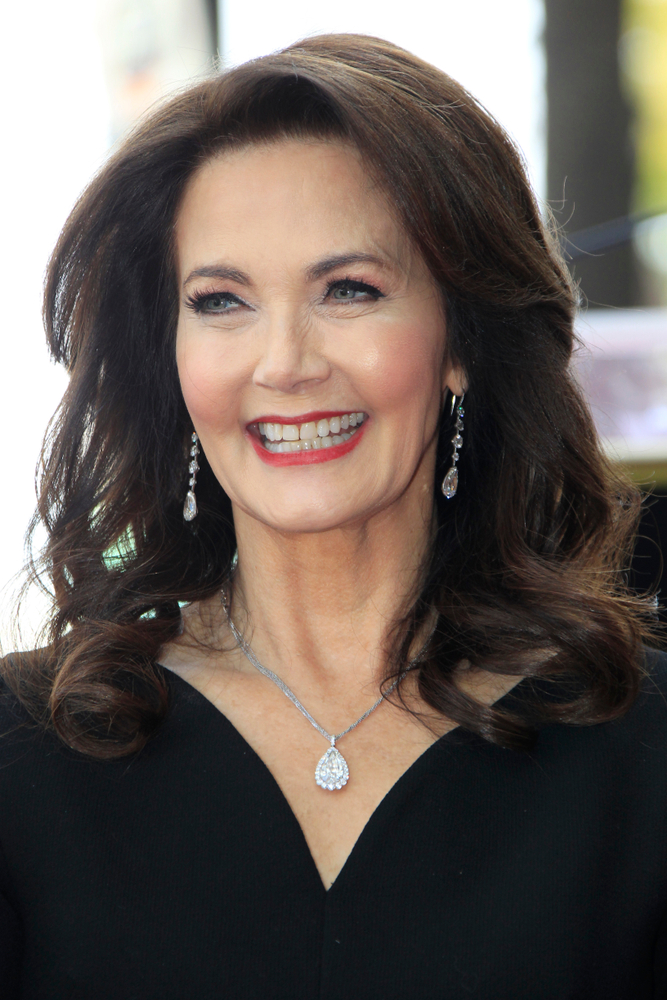
Today, Lynda Carter stands as a rare cultural figure whose significance has only grown with time. She is remembered not just for an iconic role, but for a life shaped by intention, empathy, and authenticity. From beauty queen to superhero, musician, advocate, and enduring role model, her journey reflects the power of choosing growth over complacency and substance over spectacle. In an industry often driven by reinvention for its own sake, Carter’s evolution proves that true longevity comes from staying true to one’s values. She remains a living reminder that real icons do not fade—they deepen, inspire, and continue to shape the world long after the spotlight shifts.