Minnesota has become a central stage in one of the most complex and wide‑ranging fraud investigations involving federally funded social services programs in recent American history. Federal authorities have openly acknowledged that schemes exploiting state‑administered programs have led to convictions, prosecutions, and an expanding probe into how taxpayer dollars intended for vulnerable communities were diverted, misused, or mishandled. At the center of this saga are long‑running cases such as the Feeding Our Future fraud scheme, broader allegations that billions of dollars across multiple programs may have been affected, and confrontations between state and federal officials over oversight and accountability. As the legal process continues—spanning criminal charges, legislative scrutiny, audits, and resignations within the U.S. Attorney’s Office—the scandal has rippled out well beyond Minnesota’s borders, prompting national debates about how large‑scale fraud is detected, prevented, and prosecuted in contemporary government benefit systems. The Feeding Our Future case illustrates the devastating impact of fraud on government programs designed to provide basic necessities. Founded as a nonprofit to administer federal child nutrition funds, the organization purportedly distributed meals to underserved children during the COVID‑19 pandemic but was revealed to have fraudulently claimed huge sums of reimbursement while providing few actual services. Federal prosecutors charged dozens of individuals associated with the scheme, resulting in convictions, guilty pleas, and significant prison sentences for central figures. For example, Sahra Nur was sentenced to more than four years in prison for her role in a scheme that saw millions of federal dollars funneled through shell operations, with much of the money diverted for personal gain rather than feeding children. Another defendant received a 17‑year sentence for engineering millions of dollars in fraudulent claims, underscoring the severity of wrongdoing uncovered by investigators. These prosecutions were the result of coordinated investigations by the FBI, IRS Criminal Investigation, and U.S. Postal Inspection Service, among others, and form just one piece of a larger mosaic of alleged fraud across state programs.
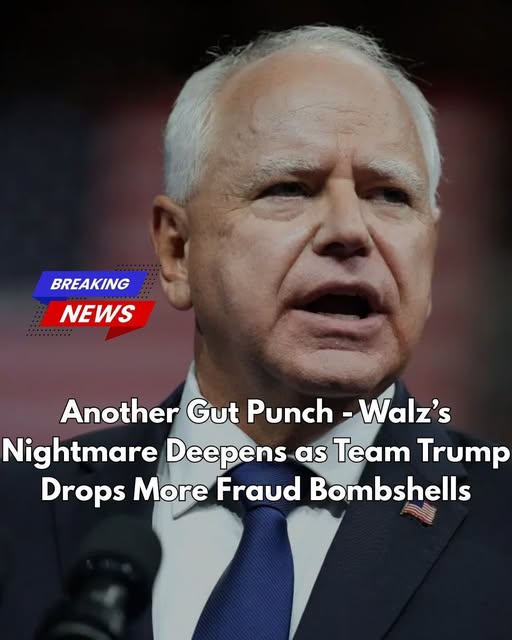
Beyond the Feeding Our Future scandal, federal officials have indicated that additional programs in Minnesota may also have seen large‑scale misuse of funds. A federal prosecutor alleged that of roughly $18 billion in claims across 14 state‑administered programs since 2018, about half could be fraudulent, though state officials have characterized such figures as speculative in the absence of full audit results. Programs under review range from child nutrition to Medicaid claims, housing stabilization services, and other social services, reflecting a broader challenge in ensuring that complex benefit systems are not exploited by unscrupulous actors. These allegations have triggered intensified federal involvement, with the Department of Homeland Security conducting fraud investigations in Minneapolis and federal agencies increasing scrutiny of financial flows and compliance practices at entities receiving public funds. State leadership, including Governor Tim Walz, has publicly pledged cooperation with federal partners and vowed that fraud “will not be tolerated,” even as questions persist about the adequacy and timing of state oversight. The controversy has also propelled federal political and administrative actions. In early 2026, Treasury Secretary Scott Bessent announced a suite of initiatives aimed at enhancing transparency, strengthening safeguards around benefit funds, and prosecuting fraudulent actors. These measures include tighter reporting requirements for financial service businesses suspected of processing illicit transfers and increased coordination with law enforcement agencies, as well as cash rewards for whistleblowers who help identify fraud. Bessent described the situation in Minnesota as emblematic of “unchecked fraud” that demands national attention, and indicated federal probes may expand to similar issues in other states. Such statements have drawn both support and criticism, with Republican lawmakers highlighting alleged oversight failures by the Walz administration, while state officials and advocates call for due process and caution against politicizing complex legal matters. The divergence in narratives reflects broader national tensions over the intersection of fraud enforcement, immigration policy, and political accountability. Political fallout has been significant. Governor Tim Walz announced that he would not seek re‑election, a decision that came amid mounting scrutiny from legislators, advocacy groups, and federal officials who have questioned the robustness of Minnesota’s oversight mechanisms. Republican members of the Minnesota House Fraud Prevention and State Agency Oversight Committee publicly emphasized that Walz’s departure “does not end Minnesota’s fraud crisis,” arguing that the state must undertake deeper reforms and maintain vigilant oversight even as leadership changes. Critics have pointed to warnings from legislative auditors, whistleblowers, and investigative journalists that systemic vulnerabilities existed in various programs long before mass prosecutions began, and that repeated warnings went unheeded. Walz and his administration have countered that efforts to crack down on fraud predate the most recent headlines, including the establishment of a centralized fraud investigations unit within the Bureau of Criminal Apprehension and collaborations with federal law enforcement to root out abuse. Nonetheless, the political debate underscores a broader challenge in public administration: balancing robust service delivery to those in need with effective fraud prevention and accountability. Adding to the complexity, developments in the U.S. Attorney’s Office in Minnesota drew national attention when multiple prosecutors, including Joe Thompson, who played key roles in fraud prosecutions, resigned following internal disagreements within the Department of Justice over case priorities, including separate civil rights investigations. These departures have fueled discussions about institutional capacity, prosecutorial independence, and the broader context in which high‑profile fraud cases are pursued. At the same time, federal courts continue to process charges against individuals involved in various schemes, with dozens already convicted and more cases pending. This sustained legal pressure reflects the long arc of accountability in fraud investigations, where uncovering criminal networks, proving intent, and securing convictions can span years of criminal procedure and collaboration between local, state, and federal partners.
Amid these developments, the Minnesota saga has generated broader national debate about how public funds are protected and the mechanisms through which fraud and abuse are prevented. Advocates for reform argue that the Minnesota case underscores the need for stronger federal‑state systems for auditing, real‑time monitoring, and accountability, particularly for programs with large budgets and decentralized oversight. Others caution that political narratives can distort complex legal and administrative realities, urging policymakers to work collaboratively across party lines to address vulnerabilities without unduly penalizing legitimate service providers or minority communities. Regardless of the political framing, the investigations—and the very public responses they have elicited—highlight enduring questions about governance, stewardship of public resources, and the balance between swift enforcement and procedural fairness. As prosecutions continue, audits deepen, and legislative responses evolve, Minnesota’s experience is likely to inform future policies on fraud prevention and intergovernmental cooperation across the United States, reinforcing the idea that protecting taxpayer dollars requires persistent vigilance and transparent accountability.