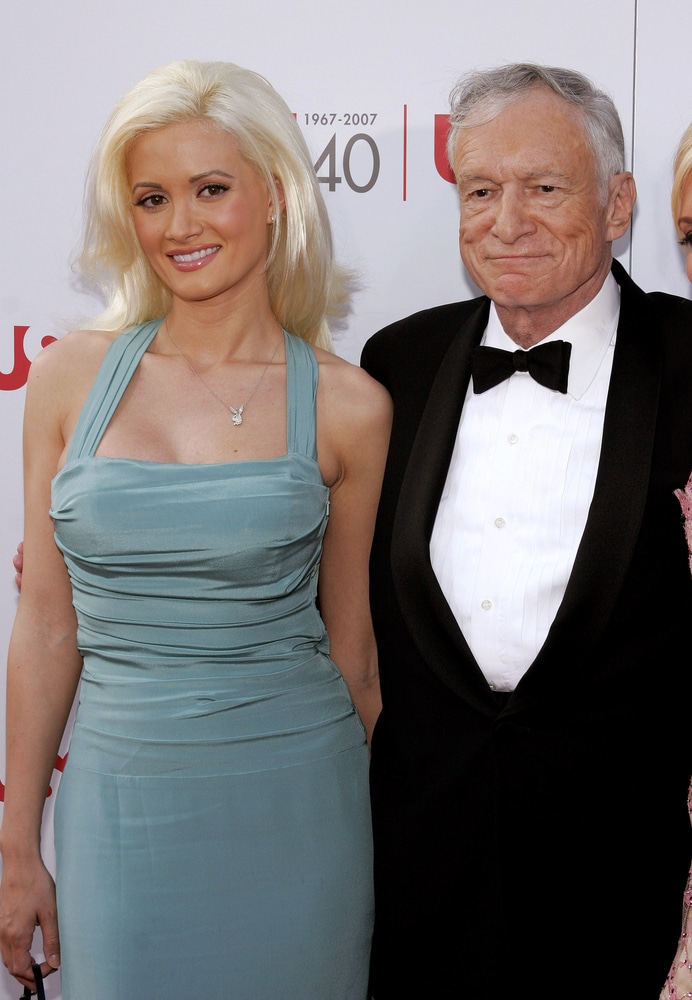
The Playboy Mansion has long captivated public imagination, standing as a symbol of glamour, excess, and controversy in equal measure. Countless films, TV shows, and cultural references have attempted to capture its mystique, but the reality remained known only to those who lived behind its walls. Holly Madison, one of Hugh Hefner’s former girlfriends, has recently opened up in a candid podcast conversation, offering a rare glimpse into the mansion’s inner workings. Her reflections highlight the tension between the mansion’s public image and the private experiences of those who lived there, revealing a complex environment that went far beyond the surface allure of wealth and notoriety.
Madison, who was in a relationship with Hefner from 2001 to 2008, spoke about both the enjoyable and difficult aspects of life in the mansion. She recalled the contrast between private moments with Hefner and the expectations placed on her in group settings, particularly sexual gatherings. “Well, it’s a very different story between when we were just by ourselves than with everybody else in the room,” she explained. The former Playmate emphasized her discomfort, noting that these situations were something she strongly disliked and made clear she would not participate in. These experiences, she said, were more reflective of power imbalances than her own professional choices, highlighting the subtle but significant pressures that came with living in such a high-profile environment.
A prominent part of the public fascination with Madison and Hefner’s relationship was the 53-year age gap between them, which often drew criticism and commentary online. Despite this, Madison maintained that the age difference did not define their private interactions. “If it was just me and him, it was a lot more normal than you would think,” she remarked, surprising podcast host Owen Thiele and prompting laughter at the contrast between perception and reality. She also recounted the constant social media scrutiny, joking about the cruel comments she received and highlighting the absurdity of public judgment, while revealing the unusual humor and candidness that characterized some of her private interactions with Hefner.
Life in the mansion extended beyond personal relationships into the day-to-day realities of an environment designed to indulge desires and maintain appearances. Madison described the unusual presence of trays scattered throughout the property containing items like Kleenex, Pepto Bismol, Vaseline, baby oil, and sunscreen, which were used as makeshift lubrication. “It was weird,” she admitted, underscoring the strangeness of a place where luxury, sexuality, and practicality collided in unexpected ways. These anecdotes provide a window into the mansion’s unique culture and the constant juxtaposition of comfort and eccentricity that residents experienced, blending glamour with a sometimes unsettling undercurrent of control and expectation.
Despite the difficulties she faced, Madison emphasized that she did not regret her professional work with Playboy. She fondly recalled posing for the magazine, which she had admired long before joining, and highlighted her role behind the scenes in producing Playmate pictorials. “That was a super fun experience. So, it’s very multifaceted for me,” she reflected. Her comments illustrate the dual nature of her time at the mansion, combining genuine enjoyment and professional growth with personal challenges and uncomfortable dynamics, painting a picture of life that was neither entirely positive nor wholly negative, but deeply complex and formative.
Madison’s revelations provide a nuanced perspective on the Playboy Mansion, offering insight into the multifaceted nature of fame, power, and personal agency. Her experiences highlight the tension between public perception and private reality, the pressures of relationships with significant age gaps, and the complicated environment in which young women navigated professional and personal boundaries. By speaking openly, Madison contributes to a more comprehensive understanding of one of the most iconic—and controversial—institutions in entertainment history, reminding audiences that the truth behind glamour is often layered, complicated, and deeply human. Her story underscores the importance of listening to firsthand experiences when evaluating the legacy of cultural institutions, offering lessons about consent, autonomy, and the intersection of ambition and personal well-being.