Judy Garland, born Frances Ethel Gumm in 1922 in Grand Rapids, Minnesota, was a child born into show business yet forced to navigate an extraordinary and often punishing path. From the earliest moments of her life, Garland’s days were filled with rehearsals, performances, and a relentless expectation to entertain. Her parents, vaudeville performers themselves, introduced her to the stage as a toddler, a world that both nurtured her talent and imposed severe emotional weight. Moving frequently for gigs and balancing the chaotic life of a performing family, she developed remarkable adaptability, but at the cost of a conventional childhood. What was meant to be playful art became a demanding responsibility, instilling in her a dual sense of awe for the craft and the burden of constant expectation.
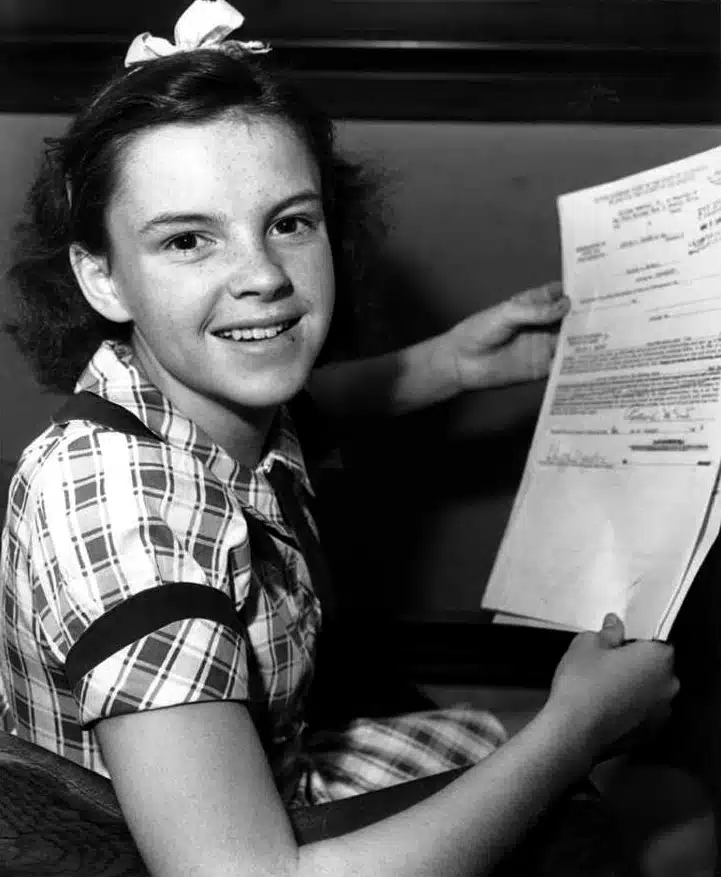
By the time she was signed by MGM in the 1930s, Judy Garland’s life became the epitome of early Hollywood’s harsh treatment of child performers. Studio executives meticulously curated her public persona, controlling her diet, schedule, and appearance with a level of discipline few adults could endure, let alone a child. While audiences adored her bright, seemingly effortless talent, behind the scenes Garland contended with exhaustion, anxiety, and the creeping weight of self-doubt. In interviews decades later, she revealed the tension between her public joy and private struggle, illustrating how early fame can distort self-perception and place immense emotional strain on children. For Garland, performing was not merely an artistic expression—it became a measure of her worth, a lesson learned far too young and carried with her through adulthood.
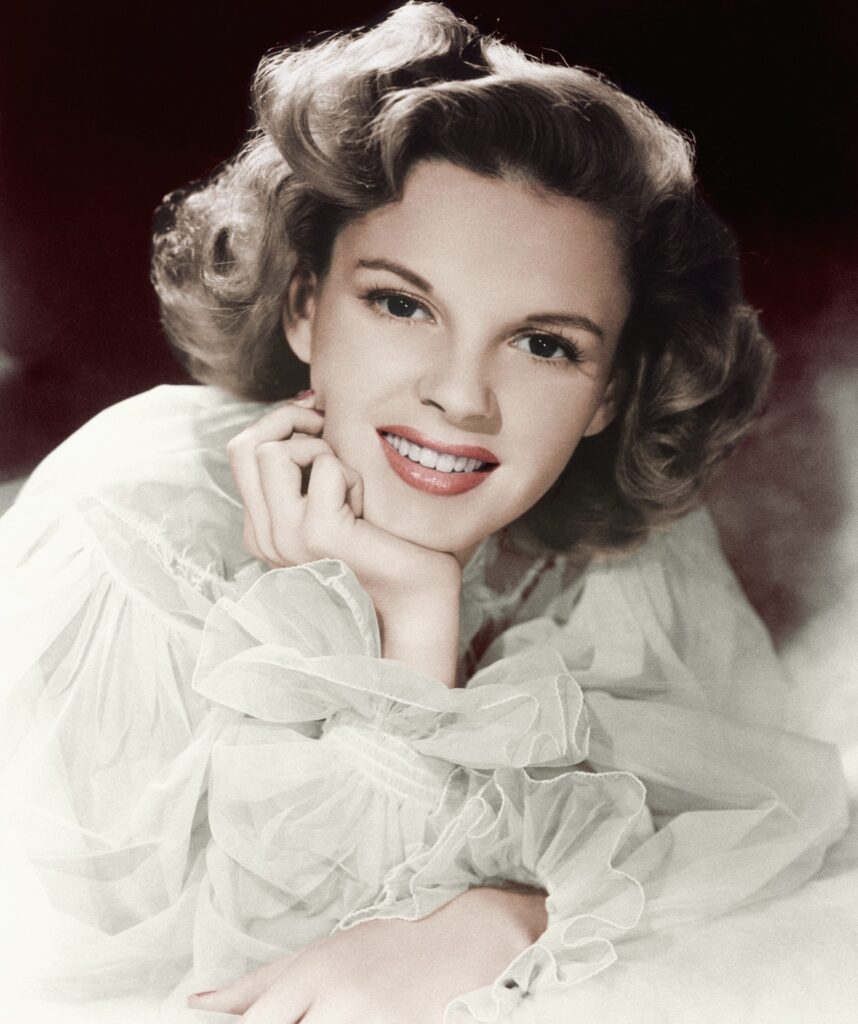
The pressures of studio life and an increasingly demanding career only intensified as Garland transitioned from child performer to teenage star. Roles required impeccable singing, dancing, and acting, while MGM’s rigid control left her little autonomy. Legendary productions like The Wizard of Oz cemented her status as a cultural icon, yet the work demanded endless hours of rehearsals and relentless perfection. Garland’s private life contrasted sharply with her vibrant on-screen presence; she faced emotional turbulence, isolation, and a lack of typical childhood freedoms. This duality—the dazzling performer versus the pressured young girl—shaped her identity, highlighting a critical reality of Hollywood’s Golden Age: the immense cost exacted on child stars, often hidden beneath glamour and applause.
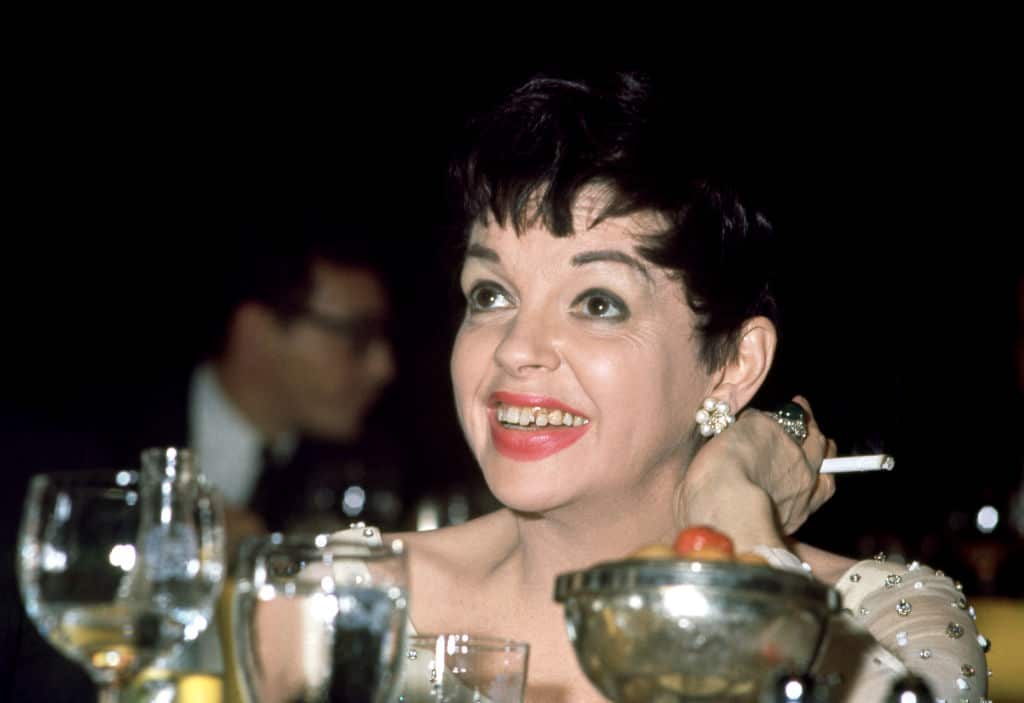
Despite these challenges, Garland’s resilience and extraordinary talent propelled her into an enduring legacy that continues to inspire artists worldwide. Her performances displayed a depth of emotion and authenticity that belied her youth, captivating audiences across generations. Later reflections with journalists, particularly in candid interviews with Barbara Walters, revealed a woman keenly aware of her personal struggles and the broader implications of early fame. She spoke openly about her challenges, her self-worth tied to performance, and the long-lasting effects of childhood pressures. Garland became more than a screen star; she became a symbol of perseverance, offering a nuanced view of talent shaped and tempered by both hardship and devotion.
Garland’s story is also a cautionary tale about the responsibilities of those surrounding child performers. Family, studio executives, and the industry at large wielded extraordinary influence over her life, often prioritizing profit and public image over emotional well-being. Yet, in her triumphs and struggles, Garland provided insight into resilience, adaptability, and the power of artistic expression to endure even under extreme circumstances. Her experiences paved the way for conversations about child labor, emotional health in entertainment, and the ethics of fame, informing how the modern industry supports—or fails to support—its youngest talents. Through her life, we gain perspective on both the brilliance of her contributions and the personal cost exacted by early stardom.
Ultimately, Judy Garland’s legacy is a blend of artistry, pain, and profound human insight. Her childhood, marked by relentless performance, studio control, and personal hardship, shaped the Hollywood icon celebrated for decades. Garland’s voice, acting, and enduring spirit continue to captivate audiences, while her story serves as a powerful reminder that behind even the most luminous talent lies a human life of struggle, growth, and resilience. The lessons of her early years extend beyond entertainment history, emphasizing the importance of empathy, mental health awareness, and the protection of young performers, ensuring her legacy is not only remembered for brilliance but also for the human truths it reveals.