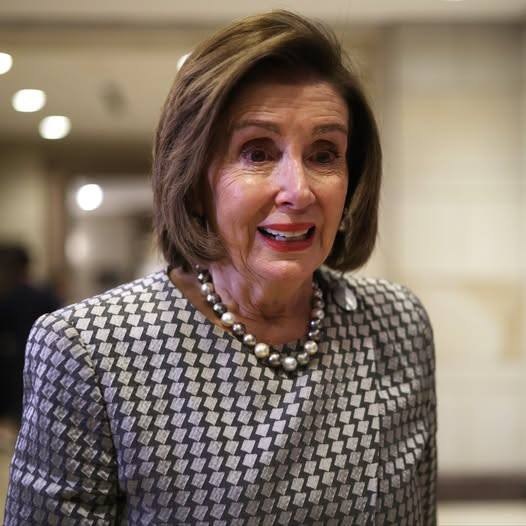
During an official overseas visit in late 2024, former House Speaker Nancy Pelosi, 84, experienced a fall while attending commemorations marking the 80th anniversary of the Battle of the Bulge in Luxembourg. The incident prompted immediate medical attention and precautionary hospitalization, underscoring the physical demands and risks associated with active public service at an advanced age. Pelosi’s office confirmed she was alert, communicative, and in stable condition, highlighting the importance of timely response and attentive care in safeguarding the well-being of senior leaders. Observers noted that such incidents often reveal both the resilience required of public figures and the support structures necessary to maintain continuity during unexpected events, emphasizing that leadership involves not just policy and diplomacy, but careful attention to personal health and safety.
The commemorations in Luxembourg were intended to honor U.S. service members and reflect on the broader historical significance of the Allied victory in World War II. Pelosi attended as part of a bipartisan delegation, demonstrating her commitment to diplomacy, remembrance, and cross-party cooperation. Witnesses reported that while moving near the ceremony area, Pelosi momentarily lost her balance, an event quickly addressed by security and medical personnel. The prompt intervention and swift hospitalization allowed for thorough evaluation and reassurance that no life-threatening conditions were present. This episode also highlighted the unpredictable nature of public events for senior officials and the meticulous planning required to ensure both their engagement and safety, illustrating the behind-the-scenes challenges of maintaining visible leadership while mitigating risk.
Medical teams in Luxembourg conducted careful assessments and placed Pelosi under observation, emphasizing a measured and patient approach to care. While detailed medical information remained confidential, her staff consistently reported that she remained engaged with briefings and communications, demonstrating her ongoing involvement in official duties despite temporary limitations. The delegation and international partners responded with expressions of concern and support, reflecting the respect Pelosi commands for her decades of service. These gestures underscored the human dimension of political life, where public figures navigate personal vulnerability while maintaining professional responsibilities, reminding the public that even prominent leaders are subject to the same fragility and need for care as anyone else.
Pelosi’s hospitalization also drew attention to the importance of planning and adaptability for aging leaders engaged in active service. Staff and aides must consider mobility, endurance, and potential health risks when organizing international travel and public appearances. The incident reinforced the need for protocols that anticipate emergencies, ensure immediate medical access, and balance the demands of visibility with personal well-being. In many ways, this situation exemplifies the intersection of public expectation, personal health, and organizational preparedness. For senior officials, every trip requires thoughtful consideration of potential hazards, demonstrating how leadership is as much about foresight and self-care as it is about policy and diplomacy.
Public reaction to Pelosi’s hospitalization was swift and empathetic, reflecting both her stature as a political leader and the human instinct to respond to vulnerability with concern. Messages of support poured in from both political allies and constituents alike, highlighting bipartisan recognition of her service. International partners attending the commemorations likewise expressed goodwill and reassurances, demonstrating the interconnectedness of diplomacy and personal welfare. While social media amplified the event, official statements consistently emphasized stability and recovery, reinforcing a narrative of competence, resilience, and careful management in the face of unforeseen challenges. This response not only reflects Pelosi’s enduring public stature but also serves as a model for balancing transparency with discretion regarding health matters for public figures.
Ultimately, Nancy Pelosi’s fall and subsequent hospitalization abroad serve as a reminder of the physical and logistical demands faced by aging leaders actively engaged in public service. Her ongoing recovery, supported by attentive medical staff, aides, and family, illustrates the importance of preparedness, timely response, and continuous engagement in professional duties even amid personal health challenges. Beyond the immediate incident, the episode underscores broader lessons about leadership, resilience, and the intersection of duty and well-being. It offers a humanizing perspective on the experiences of senior officials, highlighting the careful orchestration required to honor commitments while safeguarding health, and reinforcing the value of compassion, foresight, and structured support in sustaining effective leadership on the global stage.