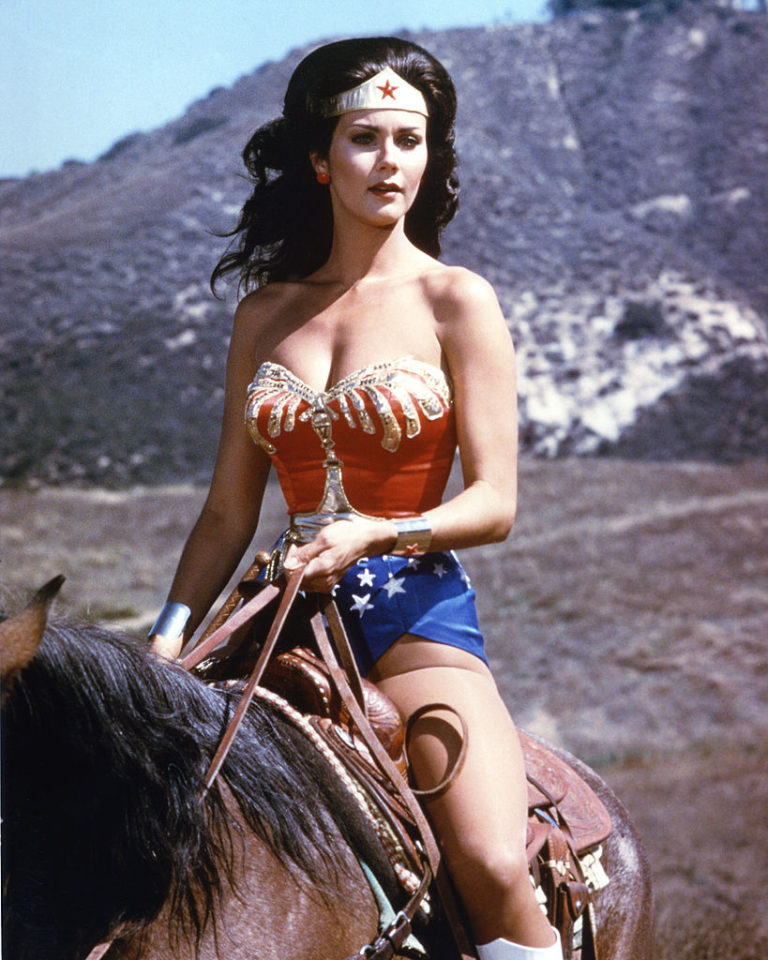
Lynda Carter has long occupied a unique place in popular culture, not merely as a Hollywood beauty, but as a figure who redefined strength, femininity, and grace for an entire generation. When she stepped onto television screens in the mid-1970s as Wonder Woman, she instantly became more than an actress in a costume. She became a symbol. At a time when women were rarely portrayed as powerful heroes without sacrificing compassion or elegance, Carter’s portrayal of Diana Prince offered a revolutionary image: a woman who could be both fierce and kind, commanding and humane. Audiences were drawn not only to her striking appearance, but to the calm authority and emotional depth she brought to the role. That balance is what transformed Wonder Woman from a comic-book character into a cultural touchstone, and it remains the foundation of Carter’s enduring legacy.
Born on July 24, 1951, in Phoenix, Arizona, Lynda Carter’s path to stardom was anything but accidental. Raised in a family that valued creativity and self-expression, she showed an early interest in music and performance. Her natural charisma and confidence led her to the world of pageantry, where she was crowned Miss World USA in 1972. Unlike many who found themselves constrained by the expectations attached to beauty titles, Carter viewed the experience as an opportunity rather than a limitation. She used the visibility to pursue acting seriously, studying her craft and auditioning relentlessly. This determination paid off when she landed the role of Wonder Woman in 1975, a casting decision that would forever alter the trajectory of her life and the representation of women on television.
From 1975 to 1979, Wonder Woman was more than a hit show—it was a cultural event. Carter’s performance set a standard that remains influential decades later. Her iconic costume, the unmistakable transformation spin, and her poised physicality made her instantly recognizable, but it was her interpretation of the character that gave the role lasting meaning. She portrayed Wonder Woman not as an unreachable fantasy, but as a moral force grounded in empathy, justice, and restraint. For young viewers, especially girls, she offered a rare image of a hero who did not need to abandon femininity to wield power. For adult audiences, she represented a vision of leadership rooted in integrity rather than aggression. The character’s appeal transcended age and gender, solidifying Carter as a household name worldwide.
After Wonder Woman, Carter made a deliberate choice not to be confined by a single role. She expanded her career across television, film, stage, and music, demonstrating a versatility that often goes overlooked. A trained singer with a rich, expressive voice, she released multiple albums and performed live concerts, earning respect as a serious musician rather than a celebrity novelty act. On screen, she took on a wide range of roles, from dramatic television films to guest appearances that showcased both her dramatic and comedic abilities. Even as Hollywood changed and opportunities for women over forty became more limited, Carter continued working steadily, adapting without compromising her identity or values.
Equally significant has been Carter’s work off screen. She has become a vocal advocate for women’s rights, LGBTQ+ equality, and mental health awareness, often using her platform to address issues that are deeply personal. After losing her husband, attorney and producer Robert Altman, to complications related to Alzheimer’s disease, she became a passionate supporter of research and caregiver advocacy. Her openness about grief, resilience, and healing resonated with fans who had grown up seeing her as invincible, reminding them that strength also lies in vulnerability. Rather than retreating from public life, she embraced a more authentic presence, speaking candidly about aging, loss, and the importance of compassion in a divided world.
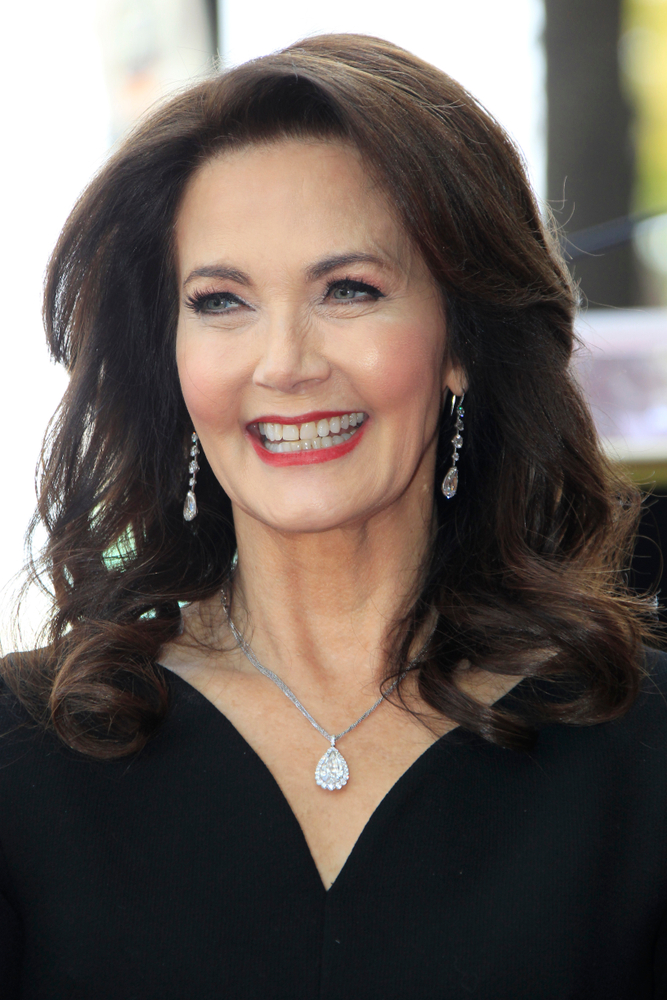
Today, at 71, Lynda Carter remains a figure of admiration not because she once embodied a superhero, but because she has lived her life with consistency, dignity, and purpose. Her influence is visible in modern portrayals of strong female heroes, from blockbuster films to television dramas that owe a debt to the path she helped carve. Yet her legacy extends beyond entertainment. She represents the idea that beauty evolves, that relevance can deepen with time, and that true icon status is earned through character as much as achievement. In a culture obsessed with youth and reinvention, Lynda Carter stands as proof that authenticity, courage, and grace do not fade—they endure, inspiring new generations long after the spotlight first appeared.