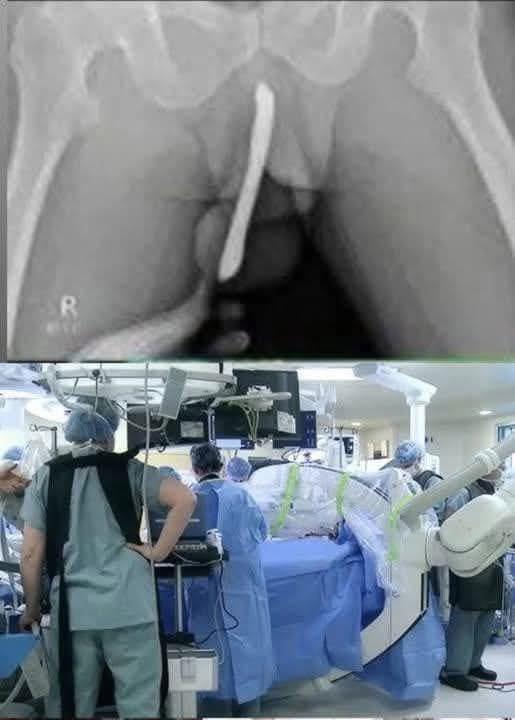
Stories circulating online about people needing medical care after inserting objects into their bodies may be sensational, but they reflect a real and important health concern: foreign objects can cause serious, sometimes life‑threatening injuries when placed inside the body’s orifices or cavities. Emergency rooms nationally treat a wide range of “foreign body” cases each year, and while every situation has its own circumstances, medical professionals consistently warn that using non‑medical items in or around delicate tissue is unsafe, unpredictable, and can lead to deep injuries, infection, scarring, or organ damage. Even if an object seems small or harmless, the anatomy of the body is complex, and what may start as a moment of curiosity or experimentation can quickly escalate into an urgent surgical situation.
Doctors sometimes encounter cases involving swallowed or inserted objects during procedures — for example, children, adolescents, and adults who have swallowed pen caps, small toys, batteries, or other items that can travel deep into the digestive tract or respiratory system. In India, surgeons at Guntur Government General Hospital recently removed a pen from a teenager’s abdomen that had remained lodged for years after it was swallowed, underscoring how foreign bodies can remain undetected and lead to complications later.
Emergency care teams also encounter objects stuck in ears, noses, and even deeper body passages, sometimes requiring anesthetized surgical removal. These procedures carry risks, including bleeding, infection, perforation of tissue, and the need for extended hospital care.
Medical experts emphasize several key precautions that apply across age groups: never insert non‑medical items into the body; do not attempt to remove objects yourself if they become stuck; and seek urgent medical attention when any object is lodged internally or causes pain, bleeding, or signs of infection. Parents and caregivers are encouraged to have open, non‑judgmental conversations about body safety, particularly with younger teens who may not fully understand the dangers of experimentation. Even seemingly innocuous items like pens, pencils, batteries, and small tools can become dangerous inside a body cavity — far more quickly than most people anticipate.
Healthcare providers point out that sometimes people delay seeking help out of embarrassment or fear, which can make the injury worse. Doctors are trained to manage these sensitive situations with privacy and professionalism, and hospitals have established procedures to evaluate and treat foreign‑body injuries safely. The longer an object remains inside the body, the higher the risk of tissue damage and infection, which may necessitate emergency surgery rather than simple outpatient removal. Early medical intervention reduces complications and improves outcomes.
Beyond the immediate physical dangers, foreign‑body injuries often highlight broader issues of risk awareness and body literacy, particularly among teens. Adolescence is a time when curiosity, peer influence, and social media trends can encourage risky behaviors. Medical and mental health professionals recommend that parents talk with their children about risks in a supportive way that encourages honesty and safety. Practical education about anatomy, consent, and health helps young people make better choices and recognize when something is wrong.
In addition to talking about behavior and risks, experts recommend that families understand basic signs of complications requiring urgent care: persistent pain, bleeding, fever, inability to pass the object naturally, swelling, or signs of infection. Any of these symptoms warrant a prompt visit to an emergency department or urgent care facility. Delaying care can allow an infection to spread or a wound to worsen, increasing the need for more invasive treatment.
Finally, professionals stress that anyone who is worried after inserting an object into their body — whether they are embarrassed, unsure, or scared — should prioritize their health by seeking medical attention without delay. Emergency care teams are there to help, and stories that circulate online should not discourage people from getting the help they need. Safety, privacy, and health are paramount, and early treatment can prevent long‑term damage or more severe complications.