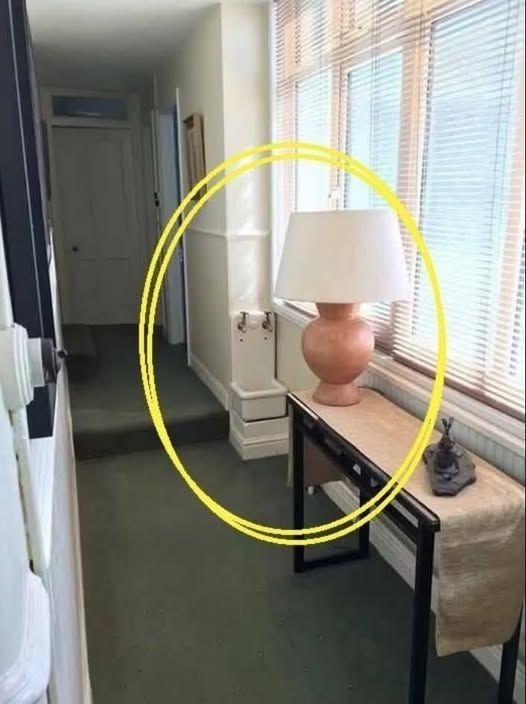
If you’ve ever wandered through an older home, you may have noticed a curious feature tucked into a hallway, stairwell landing, or under a staircase: a tiny sink no larger than a breadbox. To modern eyes, it may seem unnecessary, odd, or even whimsical. Yet these small fixtures are fascinating relics, offering a glimpse into the daily lives, social conventions, and practical needs of generations past. Far from decorative, they were strategically placed for convenience, hygiene, and household management. Understanding their origins and functions sheds light not only on architectural trends but also on how people lived, worked, and cared for their homes in a bygone era.
Tiny hallway sinks first appeared in the late 19th and early 20th centuries, a period when indoor plumbing was gradually becoming more common but was far from universal. These compact sinks were installed outside kitchens and bathrooms, often in hallways, near stair landings, or adjacent to entryways. They were a response to practical needs: a way to bring water closer to everyday activity without requiring access to larger, more private rooms. Unlike the expansive porcelain basins found in bathrooms, hallway sinks were deliberately small, designed to occupy minimal space while remaining fully functional. Their presence in a home often reflected careful attention to efficiency, cleanliness, and social etiquette.
The practical uses of hallway sinks were surprisingly varied. One of their primary purposes was simple handwashing. In an age before antibacterial soaps, hand sanitizers, or widespread awareness of germ theory, regular hand hygiene was critical. Hallway sinks allowed family members and guests to wash their hands immediately after outdoor activities, gardening, or handling pets, helping to prevent the spread of dirt and germs into living and dining areas. In homes with live-in staff, these sinks served as practical service points. Housekeepers or servants could rinse cleaning tools, wash their hands, or prepare small items without entering the kitchen or private family bathrooms, maintaining boundaries between work and family spaces.
Beyond hygiene, hallway sinks played a role in household chores and leisure. Gardeners and flower enthusiasts found them invaluable. Residents could trim flowers, fill vases, and wash their hands and boots after working outdoors, all without tracking dirt into more formal rooms. Small laundry tasks were also easily managed at these sinks. Before the convenience of modern washing machines, hallway sinks provided a discreet location for soaking delicate fabrics, rinsing cleaning rags, or performing minor laundry duties without disrupting kitchen or bathroom routines. These sinks were subtle workhorses, blending utility with accessibility.
Architectural style and social norms also influenced their design and placement. In Victorian and Edwardian homes, there was a strong emphasis on the separation of public and private spaces. Hallway sinks allowed people to clean up discreetly before entering parlors, dining rooms, or reception areas, upholding etiquette and decorum. Their compact design reflected the constraints of narrow hallways or stair landings, prioritizing function over luxury while remaining aesthetically unobtrusive. At the same time, having a sink in multiple locations within a home served as a status symbol. Indoor plumbing was still a sign of wealth and modernity, so a home equipped with hallway sinks signaled affluence, sophistication, and attention to detail.
As indoor plumbing became standard and homes were redesigned with modern bathrooms and kitchens, the need for hallway sinks gradually disappeared. Centralized water access and improved sanitation made these small fixtures largely obsolete. What was once a symbol of convenience, efficiency, and social refinement became redundant. Today, these tiny sinks are a charming architectural curiosity, evoking nostalgia and admiration from homeowners, preservationists, and interior design enthusiasts. They serve as reminders of a time when domestic life carefully balanced function, etiquette, and status, and when every detail in a home—from a breadbox-sized sink to the placement of a light fixture—was thoughtfully considered.
The tiny hallway sink, though largely forgotten, remains a testament to the ingenuity and practicality of past generations. Its presence tells a story of evolving social customs, household labor, hygiene practices, and architectural trends. For anyone exploring older homes, spotting one of these sinks is like discovering a hidden chapter of domestic history—a glimpse into how families lived, worked, and maintained order in an era without modern conveniences. Once purely functional and now largely decorative or historical, these sinks invite curiosity, storytelling, and an appreciation for the subtle, clever solutions that defined life in homes of the past.